





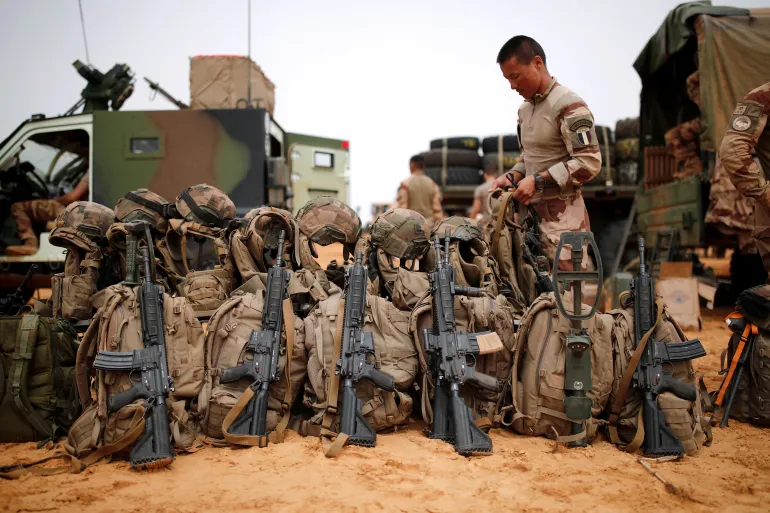


France has long held a complex and often controversial relationship with its former African colonies. From military interventions to deep-rooted economic connections, the French presence in Africa has been both strategic and symbolic. However, in recent years, this relationship has come under increasing strain. Amid growing anti-French sentiment, shifting geopolitical dynamics, and an increasingly assertive African youth demanding change, Paris is now forced to recalibrate its military and economic ties across the continent.

This shift marks a critical moment in the post-colonial trajectory of France-Africa relations. France is no longer seen as the uncontested partner in West and Central Africa. As new powers like China, Russia, and Turkey expand their influence on the continent, France’s traditional dominance is being challenged, prompting a fundamental rethink of its foreign policy. This article explores why Paris is reassessing its role in Africa, what it means for the future of the continent, and how it fits into the broader global power realignment.
Historical Context: From Colonialism to Françafrique
The roots of France’s deep involvement in Africa date back to its vast colonial empire. By the mid-20th century, France had colonized over a dozen African nations, including Mali, Senegal, Ivory Coast, Burkina Faso, Chad, and the Central African Republic. Although these countries gained independence in the 1960s, Paris maintained a strong presence through a network of political, military, and economic ties often referred to as “Françafrique.”
This informal system allowed France to exert considerable influence through:
-
Military bases and defense pacts,
-
Favorable trade agreements,
-
Cultural programs,
-
Intelligence cooperation,
-
Backing of friendly African leaders, often autocratic.
While some African elites viewed this arrangement as a source of stability, critics saw it as neocolonialism—a system designed to maintain French hegemony and suppress local agency.
Military Presence Under Scrutiny
1. The Decline of Operation Barkhane
One of the clearest examples of France’s diminishing role in Africa is the gradual winding down of Operation Barkhane. Launched in 2014, this counterterrorism mission aimed to combat Islamist insurgents across the Sahel region, particularly in Mali, Niger, Burkina Faso, and Chad.
At its peak, Operation Barkhane involved over 5,000 French troops deployed across the region. While it scored some tactical victories, the mission increasingly drew criticism for:
-
Failing to eliminate jihadist threats,
-
Becoming entangled in local political conflicts,
-
Collateral damage and civilian casualties,
-
Fostering dependency on French military support.
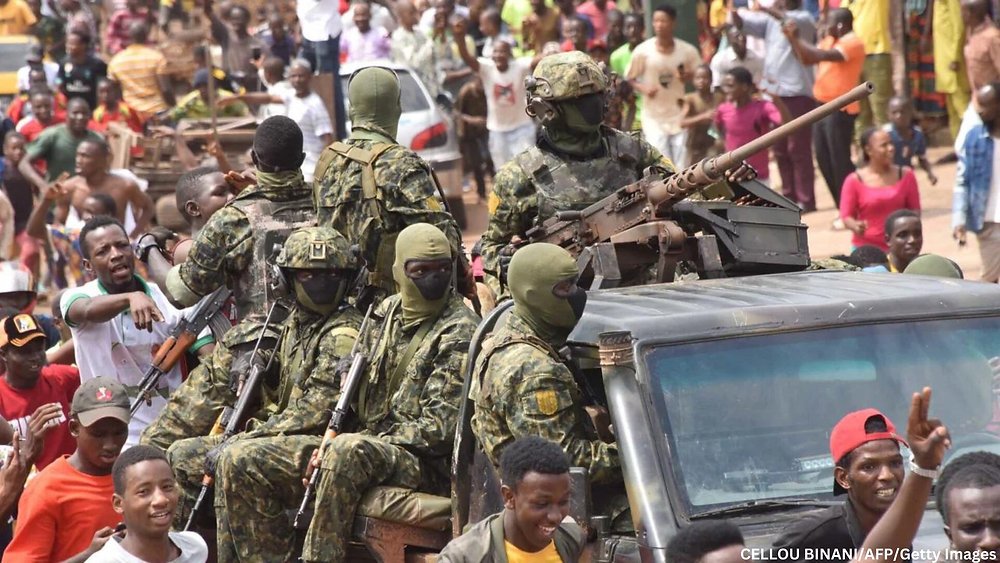
By 2022, the mission faced mounting opposition. Military coups in Mali and Burkina Faso led to the expulsion of French troops. Anti-French protests erupted in several capitals, fueled by growing nationalist and Pan-African sentiments. France formally ended Operation Barkhane in late 2022, signaling a major strategic withdrawal.
2. Rise of Alternative Security Partners
As France pulls back, new security actors are stepping in. Russia’s Wagner Group has deployed mercenaries in Mali and the Central African Republic, offering authoritarian regimes military support in exchange for mining concessions. Turkey has increased its arms sales and training missions, while China expands military cooperation in tandem with its Belt and Road Initiative (BRI).
These actors provide alternatives to French support—often with fewer political strings attached. In contrast, France’s emphasis on democratic governance and human rights has become a point of tension, particularly with authoritarian regimes.
Economic Realignment: Beyond the CFA Franc and Traditional Aid
1. The CFA Franc Debate
One of the most contentious aspects of France’s economic involvement in Africa has been the CFA franc, a colonial-era currency used by 14 African countries and backed by the French Treasury. While supporters argue that it ensures currency stability and low inflation, critics say it undermines monetary sovereignty and perpetuates economic dependence on France.
In 2019, under mounting pressure, France agreed to reform the currency system. The CFA franc in West Africa is being replaced by the Eco, a proposed currency under ECOWAS (Economic Community of West African States). Although the transition is slow and fraught with logistical challenges, it marks a symbolic break from France’s economic control.
2. Shift Toward Private Sector Partnerships
French economic engagement is also evolving from traditional development aid toward private investment and entrepreneurship. French President Emmanuel Macron has emphasized the importance of “mutual partnerships” that prioritize African-led growth.
Initiatives like the Choose Africa program—channeling over €3 billion to African start-ups and SMEs—reflect this new approach. However, France faces stiff competition from China, which has surpassed it as Africa’s top trade partner, and the United States, which is reviving its interest in the continent.
To remain competitive, France is now:
-
Encouraging tech collaboration and digital infrastructure,
-
Investing in renewable energy and sustainable development,
-
Supporting African innovation ecosystems.
Cultural and Political Rebalancing
1. Changing Attitudes Among African Youth
Over 60% of Africa’s population is under 25, and this younger generation is increasingly vocal in rejecting paternalistic or neocolonial relationships. Social media has amplified youth movements that demand dignity, equity, and autonomy.
For many, France symbolizes outdated colonial dominance. This sentiment has fueled protests, boycotts of French goods, and the toppling of Francophile regimes. Paris recognizes that it must engage differently—by listening, respecting sovereignty, and redefining partnerships.
2. Shifting Diplomatic Language
France has attempted to recalibrate its rhetoric. President Macron’s speeches have emphasized:
-
A break from “Françafrique”,
-
The need for African solutions to African problems,
-
The importance of historical reconciliation, including acknowledging France’s role in the Rwandan genocide and Algerian colonization.
While some African leaders appreciate this change in tone, others remain skeptical, demanding more concrete action than symbolic gestures.
Strategic Consequences and Global Implications
1. Loss of Influence in Multilateral Arenas
France’s influence in African regional organizations and the African Union has diminished. As countries pivot to new global partners, Paris risks losing support for its foreign policy positions in the UN and other multilateral forums. African states, once aligned with the West, are increasingly adopting a non-aligned or multipolar stance—balancing ties with China, Russia, and the West.
This complicates France’s ability to build coalitions on global issues such as climate change, migration, and counterterrorism.
2. Impact on European Union and NATO Strategy
France’s withdrawal from parts of Africa affects broader European and transatlantic strategy. The Sahel has been a key buffer zone against terrorism and illegal migration to Europe. With fewer boots on the ground, regional instability could spill over, posing new risks for European security.
France has called for more EU-wide and NATO engagement in Africa, but appetite remains limited. Germany, Italy, and others are cautious about deepening their African involvement amid domestic challenges.
Reimagining France’s Role: Toward Equal Partnership?
1. From Patron to Partner
If France wants to remain a relevant actor in Africa, it must embrace a new paradigm—one based on equality, mutual interest, and African leadership. This means:
-
Supporting regional integration and local peacebuilding,
-
Promoting fair trade and sustainable investment,
-
Engaging diaspora communities and African civil society,
-
Moving from extractive economic models to value-added industries.
France’s soft power—through language, education, and culture—remains a vital asset. But even this must evolve. Young Africans want collaboration, not cultural assimilation.
2. Lessons from Past Missteps
The future of France-Africa relations depends on learning from past mistakes:
-
Intervening unilaterally or propping up dictators damages long-term trust,
-
Overreliance on elite networks breeds resentment,
-
Ignoring youth voices risks alienation.
Instead, France must show humility, openness, and a willingness to follow African leadership on African soil.
Conclusion: A Turning Point in Franco-African Relations
France’s recalibration of military and economic ties with Africa is not merely a tactical adjustment—it is a strategic necessity. The era of one-sided relationships is ending. In its place, a new framework must emerge—one that is democratic, decentralized, and development-oriented.
This transformation will not be easy. It requires breaking with entrenched habits, competing with powerful global players, and facing uncomfortable truths about the colonial legacy. Yet it also offers France the chance to build a modern, ethical, and forward-looking role in a continent that will shape the 21st century.
Whether Paris succeeds in redefining its role will depend not on what it says, but on what it does—through policy, partnership, and respect for African agency. In the shifting sands of global power, recalibrating France’s relationship with Africa may be one of its most consequential foreign policy moves in decades.








