




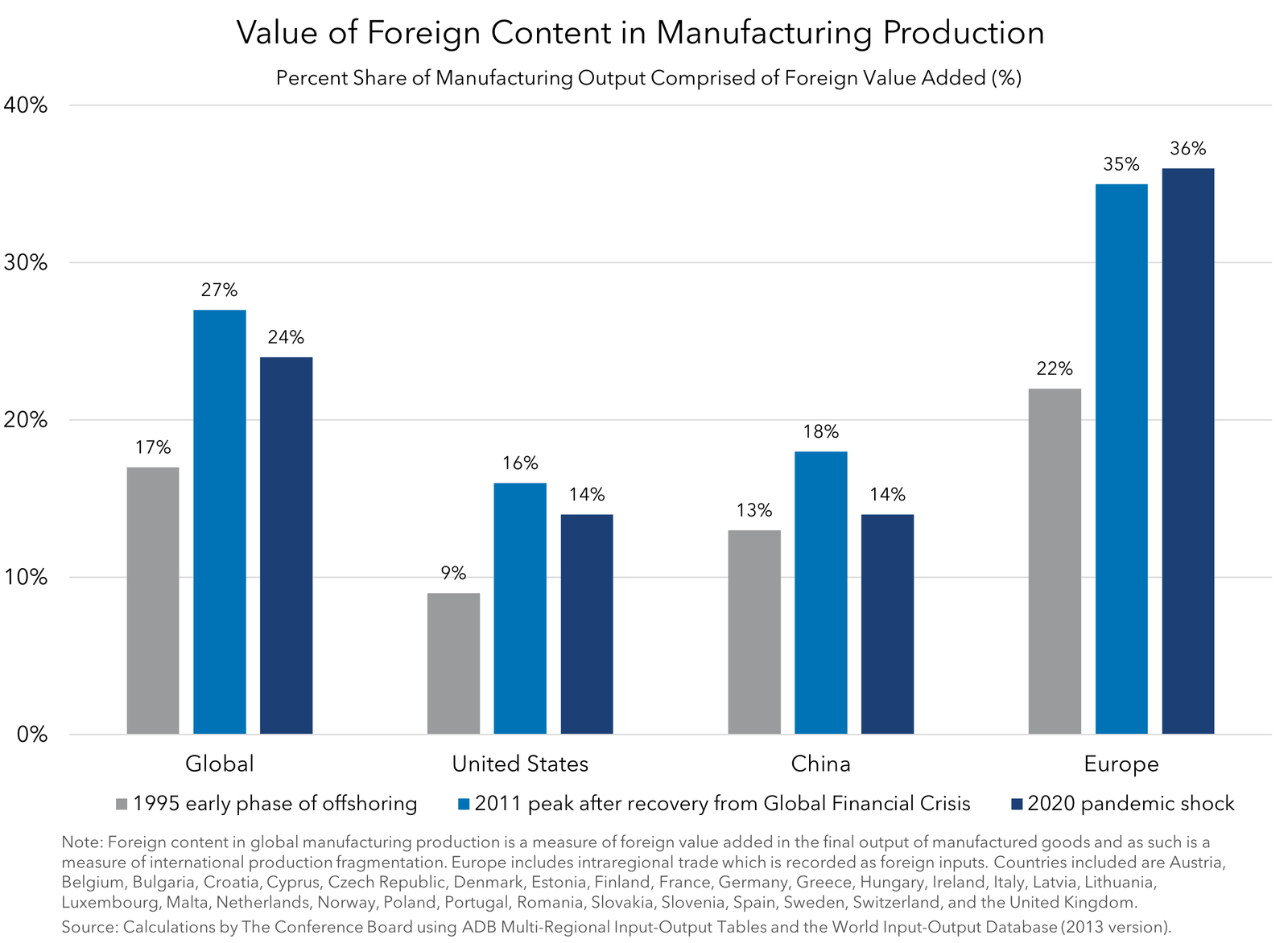



The COVID-19 pandemic, the war in Ukraine, climate disruptions, and rising geopolitical tensions have all exposed deep vulnerabilities in global supply chains. Once optimized for cost-efficiency, these networks are now being urgently reassessed for their resilience, flexibility, and security. Governments and corporations around the world are realizing that a heavy reliance on just-in-time delivery systems, concentrated production hubs, and long-distance shipping routes has left economies dangerously exposed to shocks.


This realization has sparked a global movement to redesign supply chains not only to withstand future crises but also to align with national security interests, environmental priorities, and technological independence. In this article, we explore how countries are reengineering their supply networks to become more resilient—diversifying sources, reshoring critical production, leveraging digital technologies, and forming strategic alliances in an increasingly multipolar world.
The Fragility Of Globalized Supply Chains
1. The Legacy of Hyper-Globalization
In the late 20th and early 21st centuries, globalization dramatically reshaped manufacturing and trade. Corporations pursued supply chain models that prioritized:
-
Low-cost production by outsourcing to regions like East Asia,
-
Just-in-time delivery to minimize inventory costs,
-
Offshoring of key components to exploit labor arbitrage.

This led to increased efficiency and profits but also introduced fragility. When disruptions occurred—be it a factory closure in China, a port bottleneck in California, or a semiconductor shortage in Taiwan—the entire system could grind to a halt.
2. A Cascade of Disruptions
The pandemic triggered an unprecedented shock to supply networks, grounding flights, closing factories, and causing severe container shortages. The war in Ukraine further disrupted energy, food, and industrial inputs, particularly for Europe. At the same time, natural disasters, cyberattacks, and trade tensions (especially between the U.S. and China) have underscored the need to rethink the design of supply chains.
Rethinking Priorities: From Efficiency To Resilience
1. Redundancy and Diversification
One of the core shifts in supply chain thinking is the pivot from lean optimization to redundancy. Nations and businesses are now investing in:
-
Multiple suppliers across different regions to avoid single points of failure,
-
Nearshoring and onshoring to bring production closer to end consumers,
-
Safety stockpiles of essential goods like semiconductors, medicines, and rare earths.
Countries such as Japan and South Korea have provided incentives to firms to diversify their production away from China. The U.S. has also pushed companies to reshore key industries like microchips and pharmaceuticals.
2. Strategic Autonomy
The idea of “strategic autonomy” has gained traction, particularly in Europe. It emphasizes the ability of a nation or region to maintain control over critical technologies, raw materials, and industrial capacity, even in times of crisis.
The European Union, for example, has identified a list of critical raw materials (like lithium and cobalt) and is developing strategies for mining, recycling, and sourcing them independently of adversarial nations.
The Role of Government in Supply Chain Resilience
1. Industrial Policy Comeback
Governments that previously took a hands-off approach to industry are now returning to active industrial policy. This includes:
-
Subsidies and tax breaks for domestic manufacturing,
-
Public-private partnerships to build high-tech infrastructure,
-
Strategic stockpiling and national reserves of essential goods.
In the United States, the CHIPS and Science Act allocated over $50 billion to support domestic semiconductor production. Meanwhile, India’s Production Linked Incentive (PLI) scheme is incentivizing manufacturing in electronics, solar, and automotive sectors.
2. Geopolitical Trade Realignments
Economic nationalism is on the rise. Countries are using trade policy to secure supply chains aligned with trusted allies. The rise of “friendshoring” and “ally-shoring” reflects a desire to avoid overdependence on politically risky partners.
For example:
-
The U.S. is strengthening supply chain ties with Mexico, Canada, and Southeast Asian nations.
-
Europe is exploring raw material partnerships with Africa and South America.
-
The QUAD alliance (U.S., Japan, Australia, India) is cooperating on rare earths and technology.
Technological Innovations: Building Smarter Supply Chains
1. Digital Twins and Predictive Analytics
Advanced analytics and digital twin technologies are helping companies simulate disruptions and proactively manage risk. Real-time data from sensors, logistics platforms, and AI-driven modeling tools enable supply chain managers to:
-
Monitor shipment status,
-
Predict bottlenecks,
-
Adjust routes or sourcing decisions dynamically.
2. Blockchain and Transparency
Blockchain is being used to build traceable, tamper-proof records across supply chains—critical for sectors like food, pharmaceuticals, and ethically sourced materials. Consumers and regulators alike are demanding greater visibility into where and how products are made.
3. Automation and Reshoring
The rise of robotics and AI is reducing the labor cost advantage of offshore manufacturing. This makes it more feasible to bring factories closer to home without sacrificing profitability. Smart factories using Industry 4.0 technologies can operate with fewer workers, but higher resilience and quality control.
Case Studies: National Approaches To Resilient Supply Chains
1. United States
The U.S. has adopted a national security lens to supply chain resilience. Beyond semiconductors, it is prioritizing critical minerals, medical supplies, and clean energy components.
Key strategies include:
-
Defense Production Act powers to mandate industrial production,
-
Trade enforcement to counter unfair practices by China,
-
Bilateral trade agreements to secure rare mineral access (e.g., with Canada and Australia).
2. China
Ironically, China—often seen as a supplier to the world—is also reconfiguring its own supply chains under the “dual circulation” strategy. This aims to:
-
Boost domestic consumption and production,
-
Reduce reliance on U.S. technologies and imports,
-
Create secure inputs for industries like electric vehicles, 5G, and aerospace.
Beijing is also stockpiling key resources and investing heavily in self-sufficiency, especially in the wake of tech export bans from Washington.
3. Germany and the EU
Germany, the industrial heart of Europe, is heavily exposed to global disruptions. The war in Ukraine forced a rapid pivot away from Russian energy, prompting Germany to accelerate investments in LNG terminals and renewables.
The EU as a whole is:
-
Funding battery factories and chip fabs,
-
Creating a Critical Raw Materials Act,
-
Diversifying trade agreements with Latin America, India, and Africa.
Environmental Sustainability and Ethical Considerations
Resilient supply chains are not just about robustness—they are also about responsibility.
1. Green Logistics
Nations are increasingly aligning resilience efforts with sustainability goals. For example:
-
Investing in electrified or hydrogen-based freight transport,
-
Encouraging circular economy principles like recycling and remanufacturing,
-
Supporting local sourcing to reduce carbon footprints.
2. Labor and Human Rights
There is growing pressure for resilient supply chains to also be ethical. New laws in Germany and France require large firms to ensure that their supply chains are free from forced labor, child labor, and environmental harm.
Sourcing from “friendly” countries is not enough—companies must now also demonstrate compliance with ESG (Environmental, Social, Governance) standards.
Challenges and Trade-offs
Despite the momentum, supply chain redesign is not without obstacles.
1. Cost vs. Resilience
Building redundancy and reshoring production often raises costs—something that may be passed to consumers. For firms operating on tight margins, balancing resilience and affordability is a constant challenge.
2. Fragmentation Risk
The drive toward national or bloc-based supply chains can lead to global economic fragmentation, echoing Cold War-style divisions. This risks:
-
Duplicative investments,
-
Trade inefficiencies,
-
Reduced innovation from siloed technology ecosystems.
3. Emerging Market Impacts
As companies move away from low-cost hubs, some developing nations could lose industrial opportunities. There is a growing need to ensure inclusive global development, even as countries prioritize resilience.
Looking Ahead: A More Flexible, Strategic Global Economy
The age of cheap, invisible, frictionless supply chains is over. In its place, a new era is emerging—marked by redundancy, digital intelligence, national interest, and ethical governance. Nations are not abandoning globalization but are instead making it more strategic, more secure, and more sustainable.
Future supply networks will likely be:
-
Regionalized (e.g., North American, European, and Asian hubs),
-
Digitally connected for real-time resilience,
-
Environmentally aligned with net-zero goals,
-
Politically calibrated to reflect shifting alliances.
While this transformation will be gradual and uneven, it is reshaping the architecture of global trade and production for decades to come. Governments, businesses, and consumers alike must adapt to this new reality—where resilience is not a luxury, but a strategic imperative.








