




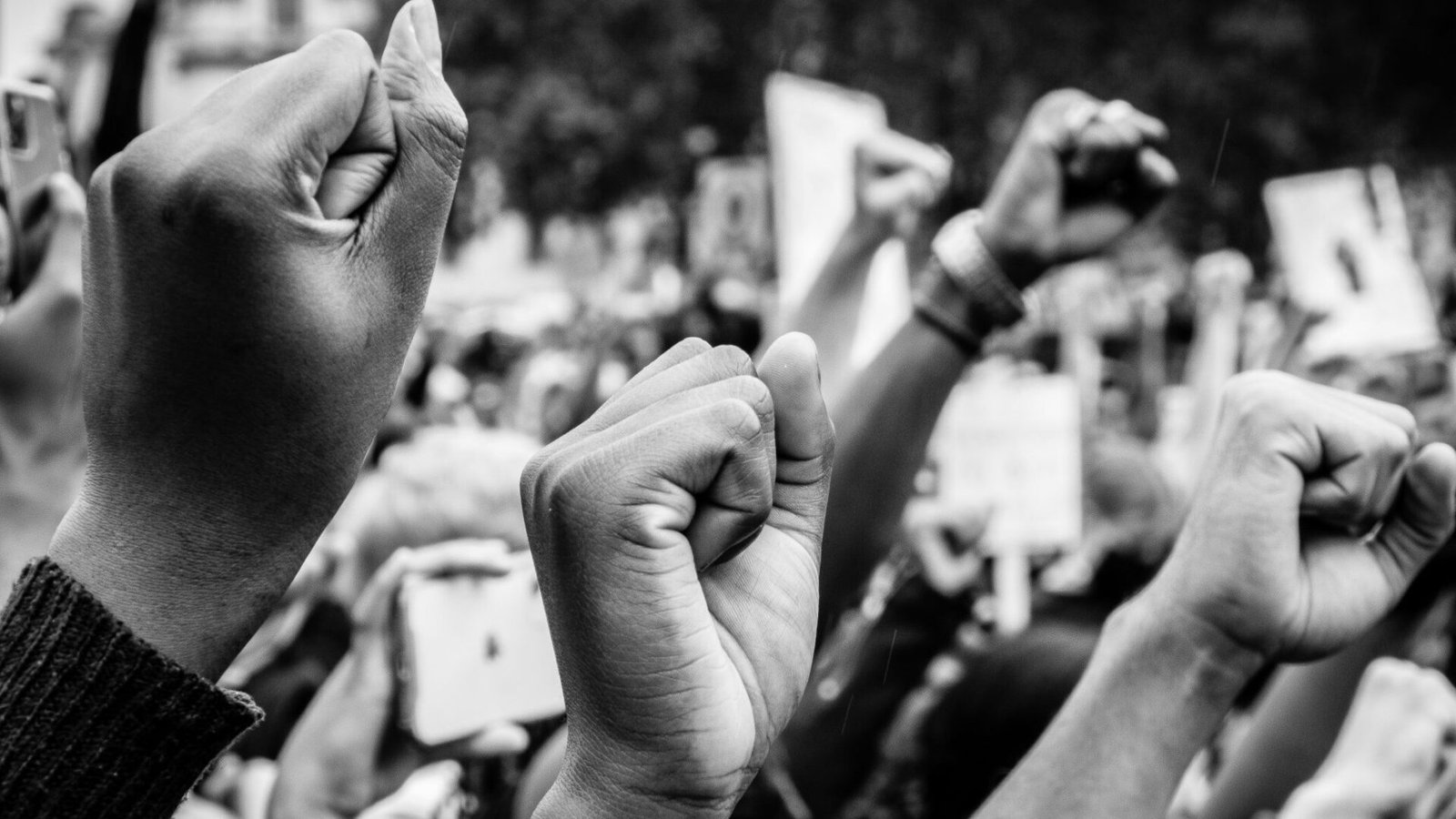


In recent years, a noticeable political shift has swept across multiple countries in various regions of the world — from Latin America to parts of Africa, Asia, and Europe. This shift signals the resurgence of progressive governments, many of which are gaining power through democratic elections. Driven by popular dissatisfaction with rising inequality, climate inaction, authoritarianism, and economic stagnation, progressive movements are once again gaining momentum, often building coalitions around social justice, inclusive growth, transparency, and environmental sustainability.
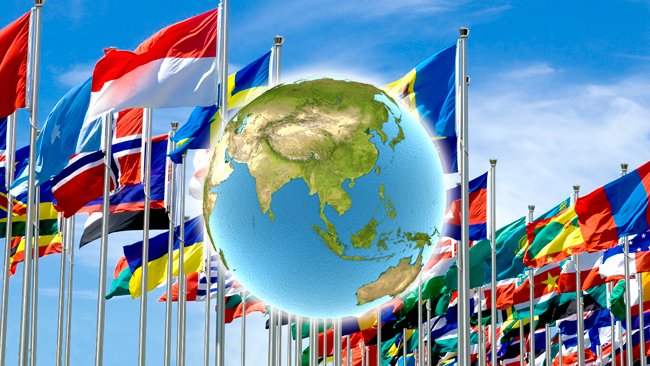

This resurgence marks a significant departure from the dominance of neoliberal and right-leaning policies that have shaped regional politics for decades. As progressive leaders return to power, the implications for domestic governance, international diplomacy, economic policy, and civic engagement are profound.
This article examines the resurgence of progressive governments across different regions — identifying the drivers behind this political shift, analyzing the impact on governance and public policy, and evaluating the challenges and opportunities that lie ahead.
Defining Progressivism in the 21st Century
Before exploring the political shift, it is crucial to define what “progressive” means in the current global context. While the term may vary depending on regional contexts, common characteristics include:

-
A focus on reducing social and economic inequality
-
Commitment to universal public services such as healthcare, education, and housing
-
Emphasis on inclusive and participatory governance
-
Advocacy for labor rights and fair wages
-
Strong support for climate action and environmental justice
-
Defense of civil liberties and minority rights
-
Policies aimed at redistributing power and wealth
Progressive governments may differ in ideology — ranging from moderate social democrats to more radical left-wing movements — but they share a common emphasis on equity, justice, and sustainability.
Latin America: The Leading Edge of the Progressive Wave
Latin America has become a central stage for the return of progressive leadership. The region has seen a resurgence of left-leaning governments following years of conservative or right-wing rule. This “second pink tide” — echoing the first wave in the early 2000s — is being driven by a combination of grassroots mobilization, public discontent with neoliberal austerity, and demands for systemic change.
Key examples include:
-
Gustavo Petro in Colombia: A former guerrilla and leftist economist, Petro became Colombia’s first progressive president in 2022, pledging major reforms in healthcare, labor, and taxation.
-
Gabriel Boric in Chile: Elected at age 35, Boric represents a new generation of leadership advocating for feminist policy, indigenous rights, and climate reform.
-
Lula da Silva’s comeback in Brazil: After surviving legal battles and political persecution, Lula returned to office in 2023 with promises to restore social programs, combat deforestation, and reduce poverty.
-
Andrés Manuel López Obrador (AMLO) in Mexico: Though more centrist in some areas, AMLO’s administration has increased social spending and challenged corporate influence in energy and media.
These governments are reshaping the region’s political narrative, shifting the focus back to inclusive economic models and state-led development. However, they also face stiff resistance from entrenched elites, conservative media, and volatile legislative dynamics.
Africa: Emerging Progressive Momentum
In Africa, progressivism is more nuanced but gaining ground. While traditional strongman politics and populist rhetoric remain influential in many countries, several nations are witnessing the rise of reformist leaders promoting transparency, youth empowerment, and democratic participation.
Notable developments include:
-
Zambia’s Hakainde Hichilema: Elected in 2021, Hichilema’s presidency represents a rejection of authoritarianism and corruption. He has focused on stabilizing the economy, protecting civil liberties, and opening dialogue with civil society.
-
Ethiopia’s Abiy Ahmed (initially): Though his legacy is now complicated by conflict, Abiy’s early reforms — including the release of political prisoners and media liberalization — were hailed as progressive steps.
-
Kenya’s shifting political discourse: While traditional power blocs dominate, younger leaders and movements are pushing for change on issues like youth unemployment, digital rights, and land reform.
-
South Africa’s progressive activism: Civil society organizations and opposition parties like the EFF continue to press the ANC government for stronger anti-corruption policies and equitable land redistribution.
The progressive agenda in Africa is often shaped by a combination of youth movements, urban intellectuals, and diaspora influence, with a strong emphasis on economic justice and political accountability.
Europe: Progressive Revival Amid Crisis
Europe has also experienced a revival of progressive politics, particularly in response to the climate crisis, austerity fatigue, and the rise of far-right nationalism. Progressive parties, while facing fragmentation and internal challenges, are regaining influence in several countries.
Examples include:
-
Germany’s Greens and Social Democrats: In 2021, the SPD formed a coalition with the Greens and the liberal FDP, with climate action and social investment at the core of the agenda.
-
Spain’s left coalition (PSOE and Podemos): The Spanish government has implemented progressive tax reforms, expanded labor protections, and taken bold steps in gender and LGBTQ+ equality.
-
Scandinavia: Long known for progressive welfare models, countries like Finland under Sanna Marin (until 2023) promoted inclusive governance and green policy.
-
France and the UK: Though dominated by centrists and conservatives, these countries have seen growing support for progressive platforms, especially among younger voters.
In Europe, the resurgence is closely tied to Green politics, anti-fascist mobilization, and feminist advocacy, often reflecting deep generational divides and the urgency of climate justice.
Asia: Complex Terrain for Progressivism
Asia presents a more complex terrain. While strong centralized states dominate the region, progressive ideals are gaining ground, particularly among youth and civil society.
Positive trends include:
-
South Korea’s Democratic Party: Under leaders like Moon Jae-in, the party pursued reforms in labor rights, LGBTQ+ recognition, and relations with North Korea.
-
Taiwan: The government has adopted some of the most progressive policies in Asia, particularly regarding LGBTQ+ rights, public health, and digital governance.
-
India (state level): While national politics under the BJP are moving toward majoritarian nationalism, progressive governance has found support in certain states like Kerala and Tamil Nadu, emphasizing public health, education, and secularism.
-
Pro-democracy movements in Hong Kong, Thailand, and Myanmar have also brought progressive values — though often in opposition to authoritarian crackdowns.
Asia’s progressive resurgence is often fueled by urban youth, women’s rights groups, and digital activists, though authoritarian constraints limit their influence in many nations.
Drivers Behind the Progressive Resurgence
The rise of progressive governments and movements is not coincidental. Several global and regional factors are converging to create fertile ground for this political shift:
-
Economic Inequality and Neoliberal Fatigue
Decades of neoliberal policies have failed to deliver equitable growth. Privatization, deregulation, and austerity measures have widened gaps between rich and poor — prompting citizens to seek alternatives. -
Climate Crisis and Environmental Awareness
As extreme weather events escalate, demand for governments to act on climate change is growing — particularly among youth. Progressives are often seen as the only ones proposing serious green transitions. -
Corruption and Governance Failures
Scandals and systemic corruption have eroded trust in establishment parties. Progressive leaders often campaign on anti-corruption platforms promising transparent and accountable government. -
Youth Demographics and Digital Mobilization
Younger generations are more progressive in values and are leveraging digital platforms to organize, campaign, and advocate. Their influence is particularly potent in regions with growing youth populations. -
Backlash Against Authoritarianism
In many regions, authoritarian tendencies have triggered democratic resistance. Progressive leaders are viewed as defenders of civil liberties, rule of law, and institutional integrity. -
Pandemic Aftershocks
COVID-19 exposed the inadequacies of market-driven systems to manage public health crises. This has increased appetite for strong public institutions, healthcare reform, and social protection — key pillars of progressive platforms.
Challenges Facing Progressive Governments
Despite their growing appeal, progressive governments face serious obstacles:
-
Polarization and Media Hostility: Many operate in deeply polarized environments, with conservative media framing progressives as radicals or threats to tradition.
-
Institutional Resistance: Bureaucracies, militaries, and judicial systems may be aligned with previous regimes or resistant to reform.
-
Economic Constraints: High debt, inflation, and reliance on foreign aid or investment can limit the fiscal space for progressive policies.
-
Internal Divisions: Coalitions of left-leaning groups often contain ideological fractures, making unified governance difficult.
-
Backlash from Elites: Powerful business and political elites may resist redistributive policies or reforms that threaten their privileges.
To sustain their momentum, progressive governments must balance bold transformation with practical governance, while maintaining grassroots engagement and institutional legitimacy.
Opportunities and the Road Ahead
The resurgence of progressivism offers significant opportunities for structural transformation. Key areas where these governments can make lasting impact include:
-
Universal Healthcare and Education
Investing in public goods is not only equitable but builds social cohesion and resilience. -
Green Economy Transitions
Job creation through renewable energy, sustainable agriculture, and climate adaptation offers a progressive path to development. -
Digital Democracy and Participation
Progressive movements can harness digital tools to expand civic participation, transparency, and citizen oversight. -
Inclusive Labor Policies
Recognizing informal workers, expanding labor protections, and addressing the gig economy are urgent priorities. -
Multilateral Solidarity
Progressive governments can lead regional blocs in defending democratic norms, human rights, and global cooperation.
Conclusion
The resurgence of progressive governments across various regions reflects a deep desire for a more equitable, sustainable, and humane political order. This shift is driven by public fatigue with inequality, corruption, and ecological collapse — and by the conviction that another future is possible.
While progressivism faces formidable challenges from entrenched interests and structural constraints, its return to the political mainstream is a sign of renewed democratic energy and social awakening. By placing people, planet, and justice at the heart of policymaking, these governments offer a compelling vision for the 21st century.
The path ahead will be neither smooth nor guaranteed — but the progressive resurgence is a powerful reminder that political change is not only necessary but, increasingly, inevitable.