





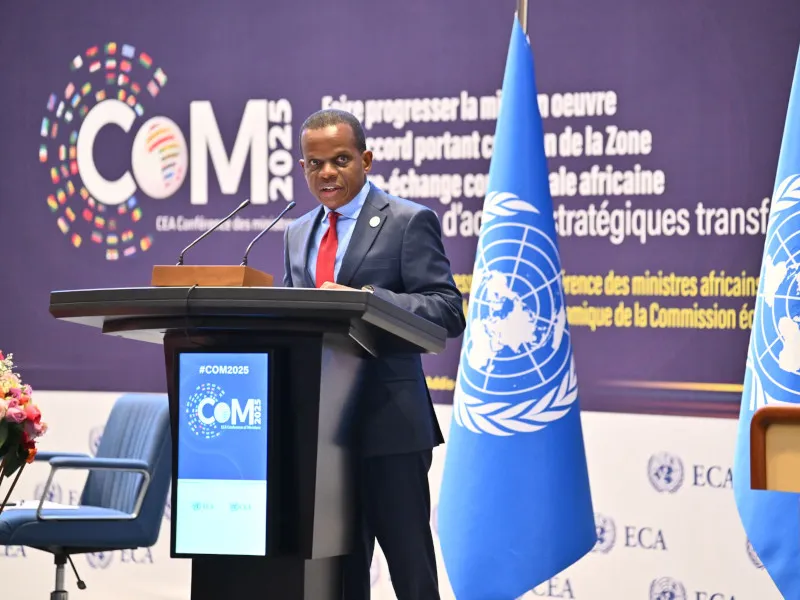

In recent years, the African continent has taken monumental steps toward transforming its economic landscape, with the African Continental Free Trade Area (AfCFTA) at the heart of this shift. Launched in 2021, AfCFTA is not merely a trade agreement—it is a bold vision of continental integration, economic cooperation, and self-determination. It aims to create a single market for goods and services, facilitate free movement of people and investments, and ultimately foster deeper economic unity across Africa. African leaders, in collaboration with regional and continental bodies, are actively advancing this initiative through political commitment, strategic policies, and institution-building. This essay explores how African leaders are pushing forward AfCFTA and reshaping the continent’s economic future.


The Vision Behind AfCFTA
AfCFTA is the largest free trade area in the world in terms of the number of participating countries, encompassing 55 member states of the African Union (AU). Its ambition is to unite over 1.4 billion people under a single market with a combined GDP exceeding $3 trillion. The primary goal is to eliminate tariffs on 90% of goods, reduce non-tariff barriers, and enhance intra-African trade, which historically has been less than 20% of the continent’s total trade volume.

The agreement is designed to leverage Africa’s collective strength. Instead of relying heavily on trade with external partners—mainly China, Europe, and the United States—AfCFTA aims to stimulate economic activity within Africa by unlocking regional value chains, encouraging industrial development, and reducing dependency on raw material exports.
Leadership Commitment and Political Will
One of the most remarkable aspects of AfCFTA is the political commitment demonstrated by African leaders. Presidents, prime ministers, and heads of government have consistently voiced support for the agreement. For example, Ghana’s President Nana Akufo-Addo, who hosted the AfCFTA Secretariat in Accra, has been a vocal advocate of pan-Africanism and economic integration. Similarly, Rwandan President Paul Kagame and South African President Cyril Ramaphosa have championed AfCFTA as a means to drive economic self-sufficiency and regional cooperation.

Leaders have moved beyond rhetoric by ratifying the agreement through national parliaments and aligning domestic policies with continental priorities. As of 2024, over 46 countries have ratified AfCFTA, demonstrating a widespread commitment to economic integration.
Building Institutions and Infrastructure
Economic unity cannot thrive without the right institutions. Recognizing this, African leaders have supported the establishment of the AfCFTA Secretariat in Accra, Ghana, which serves as the administrative and operational center of the agreement. The Secretariat coordinates negotiations, monitors implementation, and supports member states in fulfilling their obligations.
Moreover, efforts are underway to improve cross-border infrastructure, streamline customs procedures, and build digital platforms that support intra-African trade. The African Union Development Agency (AUDA-NEPAD) and the African Export-Import Bank (Afreximbank) are playing crucial roles in financing projects such as transcontinental highways, trade corridors, and digital payment systems like the Pan-African Payment and Settlement System (PAPSS).
Tackling Non-Tariff Barriers
While tariff elimination is central to AfCFTA, non-tariff barriers (NTBs) such as customs delays, corruption, bureaucratic red tape, and inconsistent product standards remain significant challenges. African leaders are addressing these through harmonization of regulations, capacity building for border agencies, and the creation of an NTB monitoring mechanism. The AU has also developed an online platform where businesses can report NTBs, which are then addressed through diplomatic and administrative channels.
This proactive approach reflects a deeper understanding among leaders that removing physical and regulatory obstacles is essential for a functional single market. Countries like Kenya, Nigeria, and Egypt are investing in trade facilitation measures and automation to reduce clearance times at ports and borders.
Fostering Industrialization and Value Addition
AfCFTA is not just about moving goods; it is about transforming African economies from being extractive to industrial. African leaders are integrating AfCFTA with industrial policies to boost manufacturing, agro-processing, and technology sectors. This strategy is aimed at creating jobs, enhancing competitiveness, and increasing the continent’s share of global trade.
The African Union’s Agenda 2063 and the African Industrialization Strategy emphasize regional value chains as a pathway for economic transformation. For instance, countries rich in minerals like the Democratic Republic of Congo and Zambia are collaborating on battery value chains for electric vehicles, rather than exporting raw cobalt and copper. This requires harmonized standards, joint investments, and strategic planning—initiatives that many governments are now prioritizing under the AfCFTA framework.
Empowering Small and Medium Enterprises (SMEs)
SMEs account for over 80% of employment in Africa and play a crucial role in domestic markets. However, they often struggle to scale due to limited access to finance, complex regulations, and fragmented markets. Recognizing this, African leaders are promoting SME-friendly policies within the AfCFTA, including simplified customs procedures, market information platforms, and trade finance support.
Programs like the “AfCFTA Adjustment Facility” managed by Afreximbank are helping member states and businesses, especially SMEs, transition smoothly by providing financial and technical assistance. Women-led enterprises and youth innovators are also being targeted for inclusion through gender-sensitive trade policies and digital training programs.
Regional Economic Communities (RECs) as Building Blocks
AfCFTA builds on the foundation laid by existing Regional Economic Communities (RECs) such as ECOWAS, SADC, COMESA, and EAC. These blocs have developed regional trade rules, infrastructure projects, and customs unions that now serve as stepping stones toward full continental integration.
African leaders have emphasized the importance of harmonizing AfCFTA with the objectives of RECs to avoid duplication and ensure coherence. In fact, the “REC+AfCFTA” model promotes gradual integration by linking regional agreements into a continental framework. This approach allows countries to build trust, test policies, and scale successful practices from the regional to the continental level.
Leveraging Continental Diplomacy and Unity
One of the intangible but critical elements of AfCFTA’s success is the growing sense of African solidarity. Leaders are using AfCFTA as a diplomatic platform to foster unity, resolve trade disputes amicably, and promote a shared African identity. The AU Assembly of Heads of State and Government regularly discusses AfCFTA progress, and the AU Commissioner for Economic Development, Trade, and Industry plays a key role in building consensus.
Additionally, peer-to-peer diplomacy among heads of state has led to breakthroughs in trade blockages and has encouraged reluctant members to join. African leadership today is more collaborative, consultative, and focused on mutual benefit than in past decades, reflecting a maturation of continental governance.
Responding to Global Economic Shifts
African leaders also view AfCFTA as a strategic response to shifting global trade dynamics. As protectionism rises in parts of the world and supply chains become more regionalized, Africa sees an opportunity to become more self-reliant. By trading more with each other, African countries can mitigate external shocks, diversify their economies, and assert greater bargaining power in international negotiations.
The COVID-19 pandemic, the Ukraine war, and disruptions in global supply chains underscored the importance of regional resilience. AfCFTA is seen as a vehicle to build that resilience, and leaders are integrating it with broader development agendas including food security, green transition, and digital economy.
Challenges and Road Ahead
Despite impressive progress, several challenges remain. Infrastructure gaps, political instability in certain regions, limited technical capacity, and uneven economic development across member states could hinder implementation. Moreover, some powerful domestic interests may resist open competition.
However, African leaders have shown remarkable resolve in addressing these challenges. The phased approach of AfCFTA—starting with trade in goods and services, followed by protocols on investment, intellectual property, competition policy, and e-commerce—demonstrates strategic planning and flexibility.
Capacity-building programs, public-private partnerships, and regional dialogues are being rolled out to support countries in aligning national policies with AfCFTA commitments. The use of digital tools, data systems, and youth engagement further enhances the prospects for successful implementation.
Conclusion
AfCFTA is more than a trade agreement—it is a transformative project for Africa’s future. It embodies the aspirations of a united, prosperous, and self-sustaining continent. African leaders are driving this transformation through visionary leadership, institutional strengthening, regional cooperation, and inclusive development strategies.
While the road to full economic unity is complex and fraught with challenges, the momentum behind AfCFTA is unmistakable. If sustained, this initiative has the potential to redefine Africa’s place in the global economy, uplift millions out of poverty, and turn the dream of pan-African economic integration into a lasting reality.








