




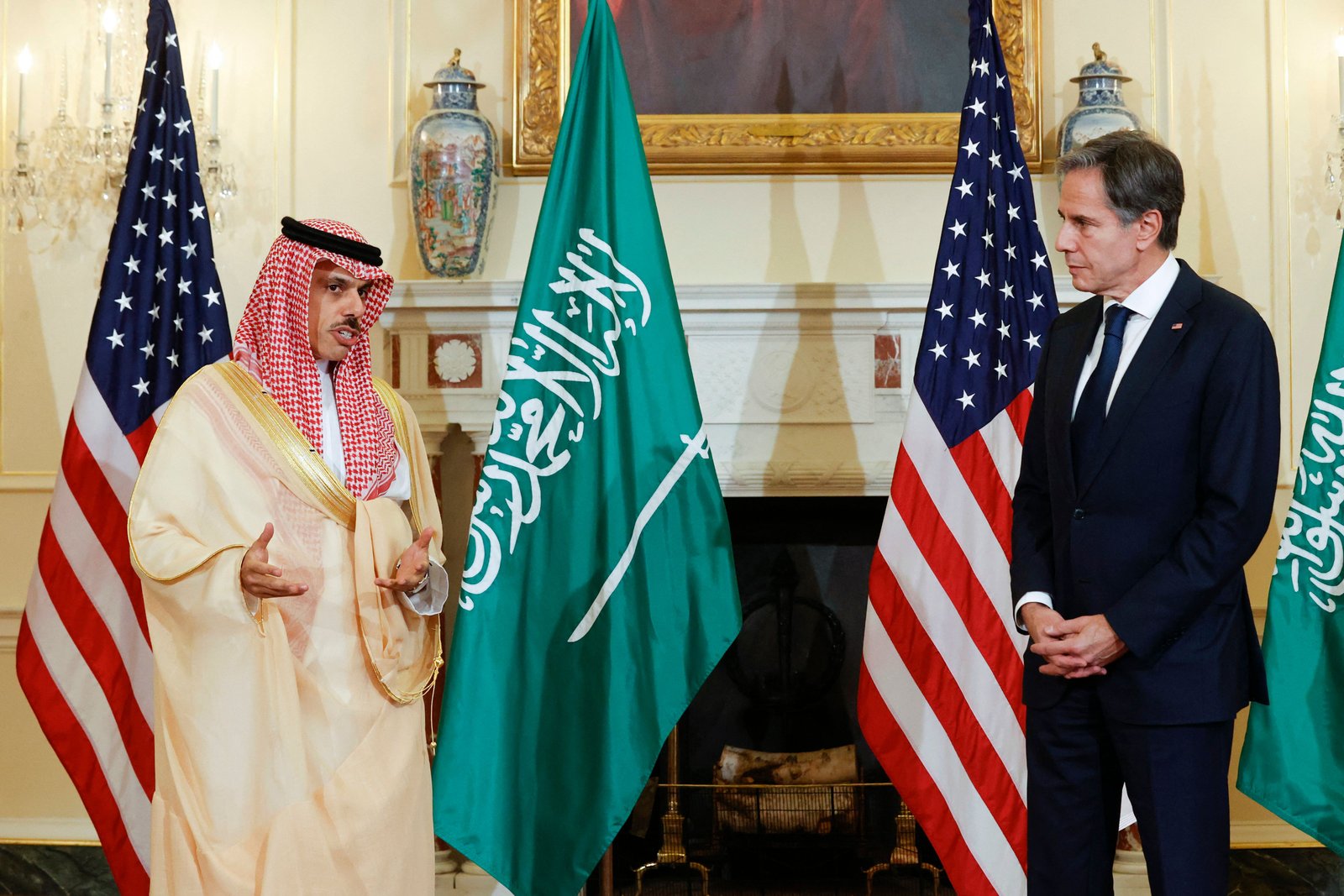

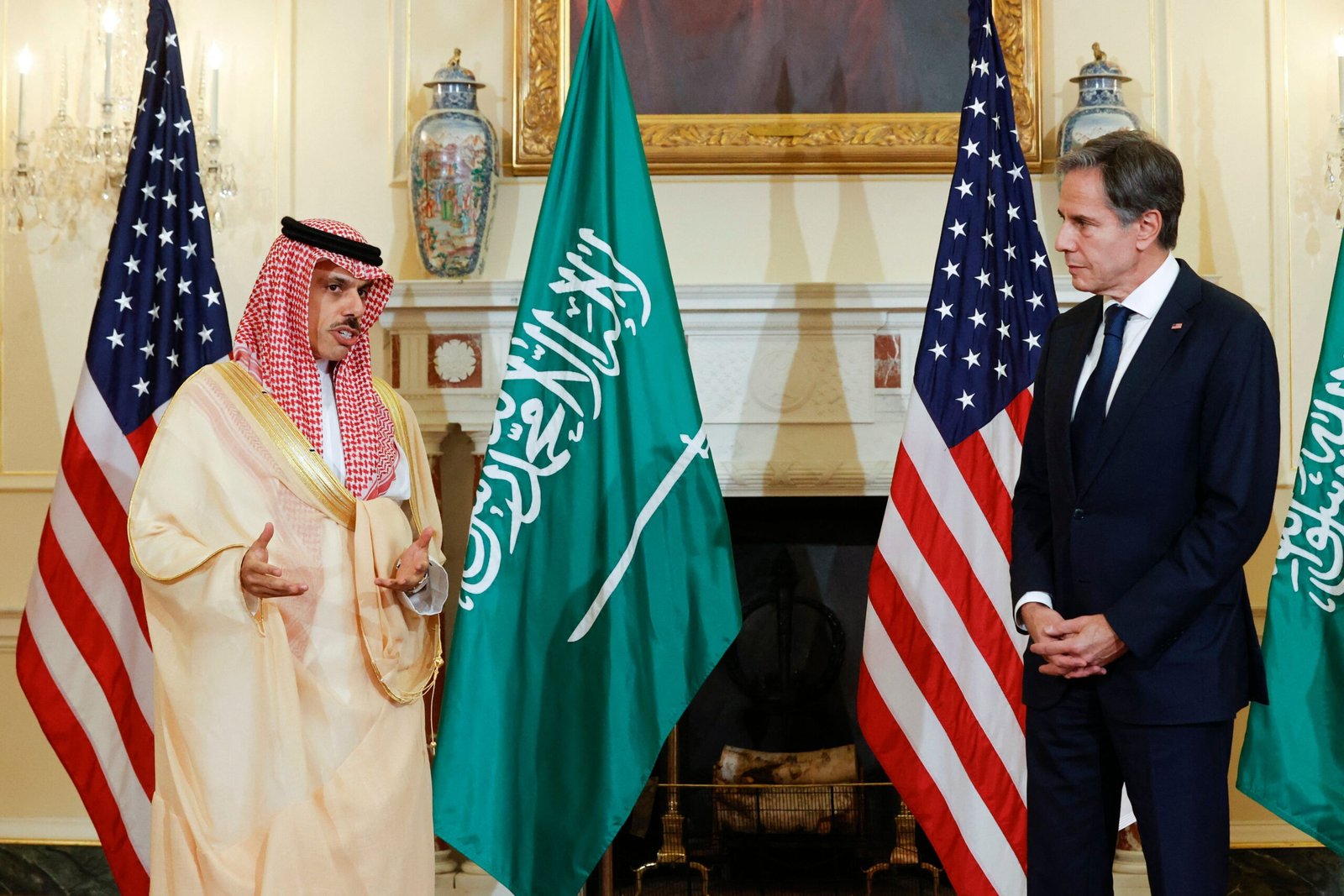

Over the last two decades, the Gulf Cooperation Council (GCC) countries—comprising Saudi Arabia, the United Arab Emirates (UAE), Qatar, Kuwait, Bahrain, and Oman—have undergone significant legal and social transformations. These changes reflect efforts to modernize economies, attract global investment, and diversify beyond oil, all while navigating the complexities of religious tradition, societal expectations, and political stability.


The interplay between state-led reform and evolving social attitudes has led to a reconfiguration of public life across the region. From labor laws and women’s rights to entertainment regulations and public morality statutes, the legal and social fabric of the Gulf is being reshaped, often at unprecedented speed. This article explores the major drivers, key reforms, and social implications of the shifting legal and cultural landscape in the Gulf.

I. The Drivers Behind Change
1. Economic Diversification and Vision Agendas
All six GCC nations have launched ambitious national development plans aimed at reducing dependency on hydrocarbons. Saudi Arabia’s Vision 2030, the UAE’s Centennial Plan 2071, and similar strategies in Qatar and Oman prioritize economic liberalization, tourism, innovation, and private sector growth.
These agendas have required legal adjustments to create more welcoming environments for foreign investment, international businesses, and expatriates. In turn, liberalization has triggered wider reforms in areas such as employment law, property rights, and personal freedoms.

2. Youth Demographics and Global Exposure
The Gulf has one of the world’s youngest populations. With high internet penetration and global connectivity, younger generations are increasingly exposed to international norms and expectations. Social media platforms such as Instagram, TikTok, and Twitter have become powerful forums for both state messaging and grassroots dialogue about identity, tradition, and reform.
3. International Pressure and Image Management
To attract tourism and foreign direct investment, Gulf states have worked to improve their global image. Legal reforms, particularly around gender equality and freedom of movement, are often rolled out alongside major global events such as Expo 2020 Dubai, the 2022 FIFA World Cup in Qatar, and Saudi Arabia’s growing cultural festivals and sporting events.
II. Legal Reforms Across the Gulf
1. Women’s Rights
Across the Gulf, a wave of reforms has expanded women’s participation in public life. While progress varies by country, several shared trends have emerged:
-
Saudi Arabia lifted its longstanding ban on women driving in 2018, allowed women to travel without male guardian permission in 2019, and has increasingly appointed women to high-ranking government positions.
-
UAE now mandates equal pay for men and women, has removed some discriminatory clauses from its personal status laws, and allows women greater legal authority in divorce and custody matters.
-
Qatar and Bahrain have also expanded women’s roles in public and professional sectors, though some critics argue that deep-rooted structural barriers remain.
These legal changes are not just symbolic; they have opened real pathways for female entrepreneurship, leadership, and civic participation. Still, challenges such as guardianship systems, legal inequality in family law, and social conservatism persist.
2. Labor and Migrant Worker Reforms
The Gulf relies heavily on migrant labor, with expatriates making up the majority of the population in countries like the UAE, Qatar, and Kuwait. In response to criticism from international rights organizations, several GCC states have introduced major labor reforms:
-
Qatar has led reforms under international scrutiny tied to the World Cup. It dismantled parts of the controversial kafala system, introduced a minimum wage, and improved labor mobility.
-
UAE implemented new labor laws in 2022 that introduced flexible work models, anti-discrimination clauses, and updated rules on end-of-service benefits.
-
Saudi Arabia’s Labor Reform Initiative (LRI), launched in 2021, allowed foreign workers to change jobs without employer consent under certain conditions.
Despite these efforts, enforcement remains uneven. Many workers continue to face wage theft, harsh working conditions, and limited access to legal recourse. However, the legislative groundwork for future improvements has been laid.
3. Personal Freedom and Public Morality Laws
Social reforms have brought changes to laws governing behavior, dress codes, alcohol consumption, and gender mixing:
-
UAE decriminalized cohabitation for unmarried couples in 2020, relaxed alcohol laws, and updated penal codes to reflect a more cosmopolitan legal framework.
-
Saudi Arabia opened up cinemas, music concerts, and co-ed events under its General Entertainment Authority, breaking decades of strict cultural codes. While the country still bans alcohol and enforces public decency codes, authorities have eased some restrictions on dress and social interaction.
-
Qatar, while more conservative, adjusted public morality enforcement ahead of the 2022 World Cup to accommodate foreign visitors—though local norms still heavily shape behavior in public spaces.
These changes are carefully calibrated to maintain domestic social cohesion while projecting a modernized image to the world.
4. Religious and Legal Pluralism
Historically, the Gulf states based large parts of their legal systems on Islamic law (Sharia), especially in personal status matters like marriage, divorce, and inheritance. However, new legal frameworks have begun to allow for pluralism:
-
UAE’s Civil Family Law, enacted in Abu Dhabi, provides an option for non-Muslim residents to marry, divorce, and settle disputes outside Sharia-based courts.
-
Qatar and Bahrain have created legal pathways for expatriates to resolve certain disputes under foreign law.
This shift toward parallel systems reflects both legal modernization and a desire to accommodate the growing expatriate communities who live and work in the Gulf.
III. Cultural Change and Social Norms
Legal change does not automatically translate into social transformation, but it often catalyzes wider discussions about identity, values, and the future of society.
1. Public Space and Gender Interaction
In countries like Saudi Arabia, the presence of women in cafés, gyms, concert halls, and sports arenas has become normalized. Women’s participation in sports and public events has expanded, and gender mixing in workplaces and public life is now more accepted.
2. Youth and Digital Culture
Young Gulf citizens are embracing more fluid expressions of identity, engaging in discussions around mental health, gender roles, sustainability, and creative freedom. Gulf governments, in turn, are investing in cultural infrastructure—from film festivals to music academies—to nurture talent and shape national narratives.
However, content deemed offensive or contradictory to state norms—particularly in relation to LGBTQ+ themes, political dissent, or religious critique—continues to face censorship and legal penalties.
3. Nationalism and Social Boundaries
While openness to foreign investment and tourists has increased, some segments of Gulf societies have responded with rising cultural nationalism. Debates over language, dress, and social media content often center around protecting national identity from perceived foreign influence.
Governments themselves promote nationalist campaigns that emphasize local customs and values, balancing reform with heritage preservation.
IV. Tensions and Backlash
Legal reforms, especially those touching on gender, religion, or morality, do not unfold in a vacuum. They generate resistance from conservative elements within society, including clerical institutions, traditional families, and older generations.
To manage this, Gulf leaders have often employed a top-down reform model, where change is initiated by the state rather than through grassroots activism. This helps contain public dissent but can limit broader societal buy-in. The absence of political pluralism or free media also means public discourse is often managed or suppressed.
Cases of moral policing, arrests for social media posts, and public shaming continue, reminding citizens that while the laws may evolve, boundaries still exist—particularly when reforms touch upon politics, religion, or state authority.
V. The Future of Gulf Reform
The question remains: how sustainable are these reforms?
1. Generational Continuity
Young Gulf citizens are increasingly global in outlook yet rooted in local identity. The future of reform will depend heavily on this generation’s ability to reconcile global modernity with regional values. Education reforms, digital literacy, and cultural entrepreneurship will play critical roles.
2. Legal Institutionalization
For reforms to endure, they must be backed by strong legal institutions. Rule of law, independent courts, and transparent enforcement mechanisms are necessary to make rights meaningful—especially for vulnerable populations like migrant workers and women.
3. Political Participation
Most legal and social reforms have taken place without accompanying moves toward political liberalization. Freedom of expression, assembly, and democratic participation remain tightly controlled. In the long run, demands for inclusion and accountability may emerge as societies become more complex and interconnected.
Conclusion
The Gulf states are at a crossroads between tradition and transformation. Their evolving legal systems reflect both internal ambitions and external pressures. While the pace and scope of reform differ by country, the trajectory is unmistakably toward greater openness, flexibility, and modernization—albeit within carefully managed political boundaries.
These reforms are not without contradiction. They signal progress, but also reveal the limits of change in highly controlled societies. As Gulf states move into a new era, the challenge will be not only to change laws but to build institutions and foster civic cultures that can sustain and deepen those changes for generations to come.








