





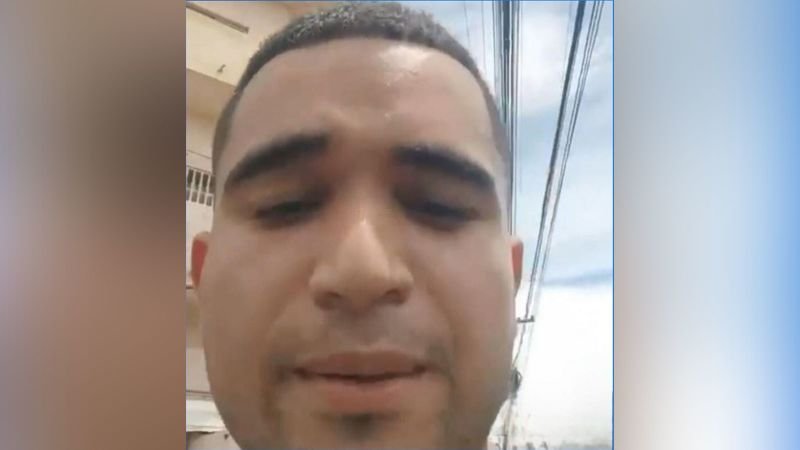

In a shocking incident that underscores the dangers of speaking out against crime and corruption in volatile regions, Venezuelan social media influencer Gabriel Jesús Sarmiento was fatally shot during a livestream on TikTok. Sarmiento, known for using his platform to criticize organized crime groups and alleged corruption within the police force, was killed on Monday in Maracay, Venezuela.


This article explores the circumstances surrounding his death, the implications for digital activism in Latin America, and what this tragedy reveals about the growing risks faced by online content creators in high-risk areas.
I. Who Was Gabriel Jesús Sarmiento?
Gabriel Jesús Sarmiento was a Venezuelan content creator with a growing following on TikTok and other social platforms. His content was bold and fearless, often targeting powerful entities, including organized crime syndicates and corrupt elements within law enforcement. His activism drew both admiration and threats.
Based in Maracay, the capital of Aragua state, Sarmiento had become a voice for many Venezuelans frustrated by ongoing violence and corruption. His livestreams frequently highlighted issues that traditional media in the country may have avoided due to censorship or fear of retaliation.
II. The Livestream That Turned Deadly
1. A Shocking Moment Captured on Camera
The fatal incident occurred during a TikTok livestream. In a video seen by CNN, Sarmiento is suddenly interrupted by chaos in the background. A woman is heard screaming, followed by a man’s voice asking what had happened. A rapid burst of gunfire erupts, and Sarmiento is heard screaming, “They shot me!” before the video ends abruptly, revealing two unidentified armed men.
2. Immediate Reaction and Investigation
The Venezuelan Ministry of Public Safety confirmed his death and posted a statement on Instagram. They revealed that Sarmiento had recently reported threats from members of GEDO (Grupos Estructurados de Delincuencia Organizada or Organized Crime Structured Groups) and allegedly corrupt police officers.
The authorities have assigned the 69th Prosecutor’s Office Against Organized Crime to conduct a full investigation into the killing, with the objective of identifying and prosecuting those responsible.
III. The Dangerous Landscape for Influencers in Venezuela
1. Speaking Truth to Power Comes at a Price
In Venezuela, speaking out against powerful institutions—whether criminal or political—can have deadly consequences. Influencers like Sarmiento take significant risks in a country where press freedom is limited, and the rule of law is frequently questioned.
Sarmiento’s critiques likely made him a target. The threats he had previously reported were taken seriously only after his death. Unfortunately, his story is not unique in Latin America.
2. Aragua and Tren de Aragua
Though no official link has been established, the location of Sarmiento’s death has raised suspicions. Maracay, where the shooting occurred, is the stronghold of the feared criminal organization known as Tren de Aragua. While authorities have not confirmed any connection, the coincidence has fueled speculation among viewers and human rights observers.
IV. A Pattern of Violence: A Regional Concern
1. Valeria Marquez: Another Influencer Killed
Just weeks before Sarmiento’s tragic end, another Latin American influencer, Valeria Marquez from Mexico, was shot and killed in a salon while livestreaming. Her death reignited debates about femicide and gender-based violence in Mexico.
2. Political Violence in Mexico
Only days before Marquez’s killing, a mayoral candidate in Veracruz was also murdered during a livestream. Three other people lost their lives in that same incident. These back-to-back killings highlight a disturbing trend: digital platforms, once safe spaces for expression and outreach, are increasingly becoming sites of public assassinations.
V. Online Influence, Real-World Risks
1. The Double-Edged Sword of Virality
Social media has given ordinary citizens the power to speak directly to the masses, bypassing traditional gatekeepers. But for those in regions with high levels of violence and political instability, this visibility comes with enormous risk. Influencers like Sarmiento are increasingly exposed to targeted attacks by those who feel threatened by their influence.
2. Government Responsibility and Accountability
The Venezuelan government’s swift response—publicly acknowledging Sarmiento’s death and launching an investigation—is notable, but critics argue that more must be done to protect activists and online creators before violence occurs. Ensuring the safety of voices like Sarmiento’s should not be a reactive effort but a proactive one.
Conclusion
The murder of Gabriel Jesús Sarmiento during a TikTok livestream is a grim reminder of the escalating risks faced by social media influencers and activists in regions plagued by violence and corruption. His death, captured in real time, has shocked viewers across Latin America and the world.
This tragedy also reflects a larger pattern in the region: content creators, especially those who speak out against crime and injustice, are becoming targets. From Venezuela to Mexico, influencers are increasingly being silenced through violence.
Gabriel Jesús Sarmiento’s legacy, however, is one of courage. His voice, though cut short, sparked conversations that must continue. As digital platforms grow in influence, so too must the protections for those who use them to fight for justice.








