




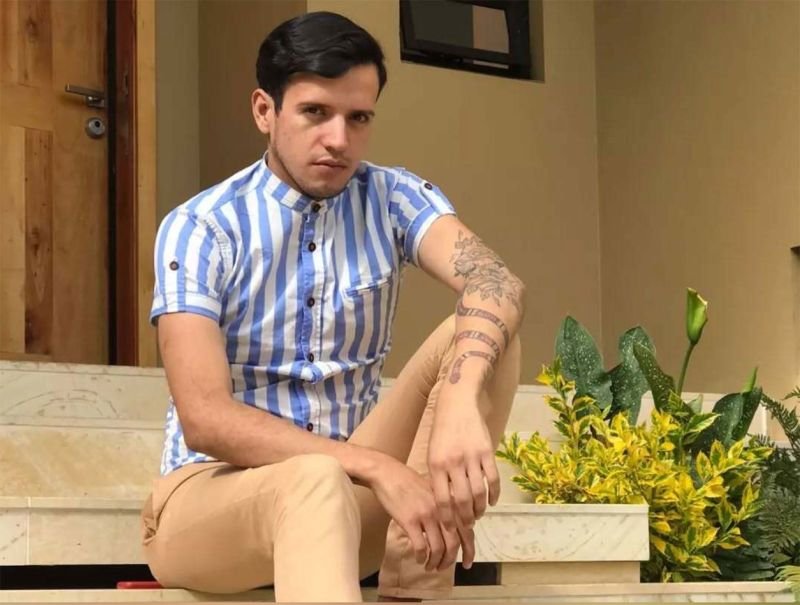

In search of a brighter future, Andry José Hernández Romero, a talented makeup artist from Venezuela, left everything behind to begin a new life in the United States. Driven by his passion for beauty, costume design, and performance art, he hoped to pursue his career and one day open a salon of his own.


However, what began as a hopeful migration quickly became a devastating ordeal, when he was detained and deported to El Salvador based on unfounded allegations—leaving his family in anguish and his supporters demanding justice.

I. Who Is Andry Hernández Romero?
1. A Creative Spirit from a Quiet Venezuelan Town
Andry was born and raised in Capacho Nuevo, a small Venezuelan town near the Colombian border. Known by locals for his artistic talent and kind heart, Andry has always been deeply involved in cultural events, particularly the Reyes Magos festival, an annual tradition that’s been celebrated in the region for over a century.
From the age of seven, Andry actively participated in the festival, first as a performer and later as a makeup artist and costume designer for the cast. His work helped keep the tradition vibrant and alive.
2. Education and Career Aspirations
Andry pursued Industrial Engineering at a private university in Táchira. However, financial burdens led him to leave the program midway and focus on his true passions—makeup artistry and fashion design. Despite occasional work-related trips to Bogotá and Caracas, he lived most of his life in Capacho with his close-knit family.
II. Why He Traveled to the United States
1. A Professional Dream Abroad
On May 23, 2024, just two days after turning 31, Andry departed Venezuela with the goal of establishing himself as a professional in the U.S. beauty and fashion industry. His hope was to seek asylum, grow his career, and live openly and safely as a gay man—something that had been difficult in his home country.
2. Detained at the Border
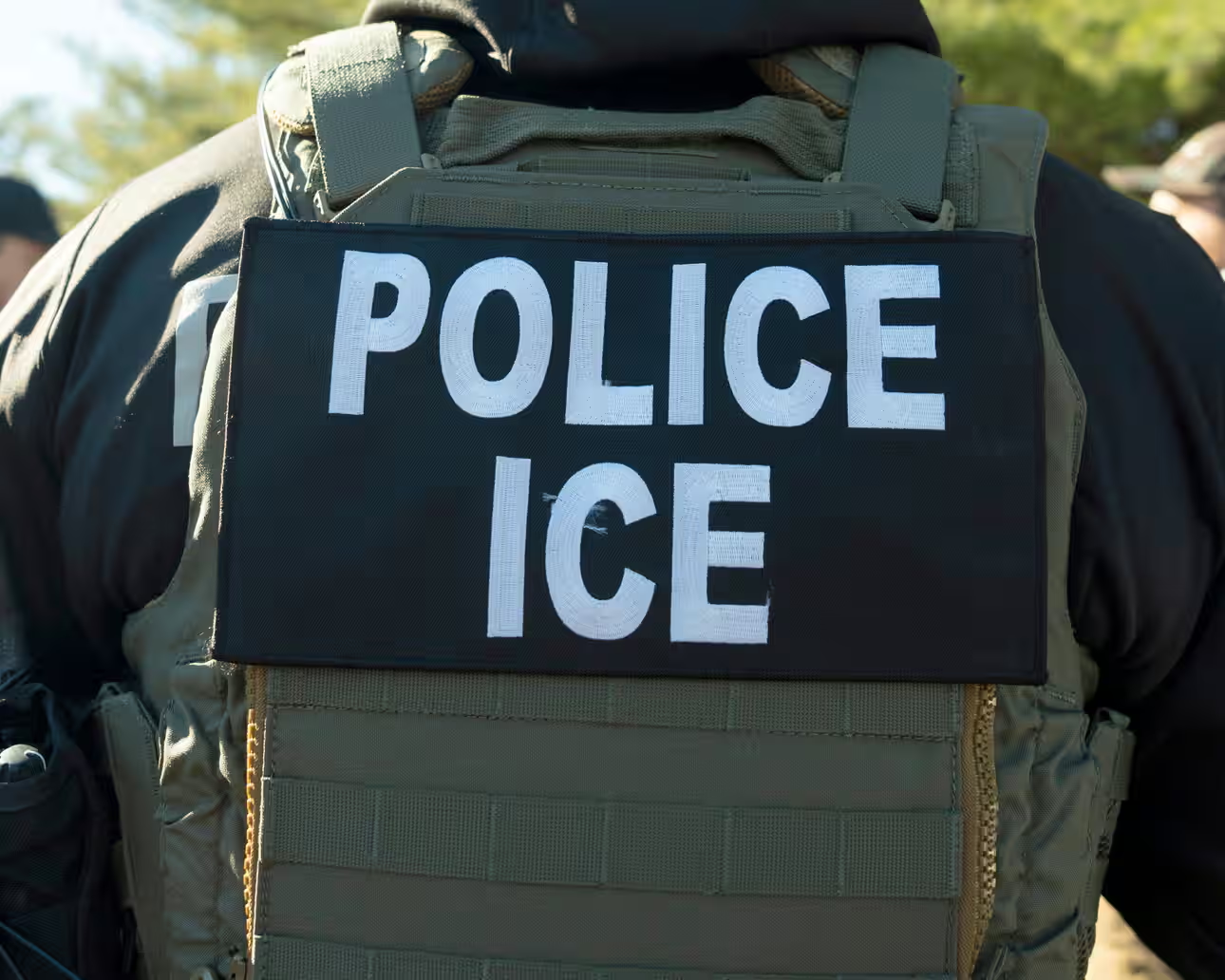
After arriving at the San Ysidro border crossing on August 29, Andry attended a scheduled CBP One appointment. Unfortunately, he was immediately detained and held in a U.S. immigration facility.
According to his childhood friend Reina Cárdenas, the detainment stemmed from misinterpretation of his tattoos—two crowns on his wrists and a snake on his forearm. U.S. immigration officials allegedly linked him to the Tren de Aragua, a notorious Venezuelan gang, based solely on these markings.
III. Tattoos Misunderstood: A Cultural Identity Mistaken for Crime
1. Symbols of Art, Not Gang Affiliation
Family and friends insist that Andry’s tattoos have personal and cultural meanings. The crowns represent the Reyes Magos festival—specifically, the Three Kings—and include the names of his parents. The snake tattoo refers to a character he once played in the festival.
Despite the deep symbolism behind his tattoos, U.S. authorities viewed them with suspicion. His supporters argue that no other evidence has ever been presented to support the gang allegation.
2. Evidence of a Peaceful Life
His social media—filled with photos of theatrical makeup, costume designs, and artistic creations—shows no signs of criminal activity. He has no criminal record, and the mayor of Capacho Nuevo signed a certificate affirming his good conduct. Over 600 community members have signed a petition declaring his innocence and calling for his release.
IV. Deported to El Salvador Under the Alien Enemies Act
1. The Policy That Changed Everything
In March 2025, amid a renewed U.S. crackdown on immigration, Andry was deported to El Salvador’s Cecot prison—a high-security facility notorious for housing violent criminals. He was sent there under the Alien Enemies Act, a rarely used wartime measure invoked by the Trump administration to deport individuals suspected of having criminal affiliations.
2. Cut Off from the World
Since arriving at Cecot, Andry has been completely out of contact with his family and legal team. His mother, Alexis Romero, has made emotional public appeals for his return, expressing her heartbreak and fear after months without hearing from her son. “We’re desperate. Please, let him come back,” she pleaded in a media interview.
V. Legal Action and Human Rights Concerns
1. Class-Action Lawsuit Against the U.S. Government
Andry is now part of a class-action lawsuit filed by the American Civil Liberties Union (ACLU). The case challenges the legality of using the Alien Enemies Act to deport asylum seekers like Andry without due process.
According to ACLU attorney Lee Gelernt, this deportation violated U.S. law and constitutional rights: “These individuals were removed from the country without ever being allowed to defend themselves. We’re fighting to bring them back and give them a fair hearing.”
2. Legal Advocates Demand Action
Margaret Cargioli, an attorney from the Immigrant Defenders Law Center, stated that isolation from loved ones is one of the harshest aspects of detention at Cecot. For over 50 days, detainees have been unable to make calls, receive visits, or even send messages.
VI. International and Political Responses
1. Support From U.S. Lawmakers
New York State Senator Brad Hoylman-Sigal condemned the deportation as un-American, highlighting that Andry came to the U.S. seeking refuge from persecution for being gay and for resisting political pressure while working at a state-affiliated media outlet in Venezuela. “No one should be deported without due process, let alone sent to a dangerous prison in another country,” he said.
2. Venezuelan Government’s Reaction
President Nicolás Maduro labeled the detentions as “kidnappings” and promised to rescue the 253 Venezuelans held in Cecot. He offered to send planes to retrieve them and demanded that lawyers and family members be granted access.
3. A Controversial Agreement
El Salvador agreed to receive up to 300 deported migrants in exchange for $6 million in funding from the U.S., sparking criticism that people’s lives were being traded for financial support.
Conclusion: The Fight for Freedom and Fairness Continues
The case of Andry Hernández Romero shines a light on the human cost of flawed immigration policies and wrongful assumptions. A man with no criminal record, beloved by his community and respected for his talent, now sits in a foreign prison without communication, trial, or justice.
His story has become a rallying point for activists, lawyers, and political leaders who believe in due process, LGBTQ rights, and immigrant dignity.
Every voice raised in support of Andry echoes a larger truth: behind every immigration case is a human being—with a family, a future, and the right to be treated fairly.