




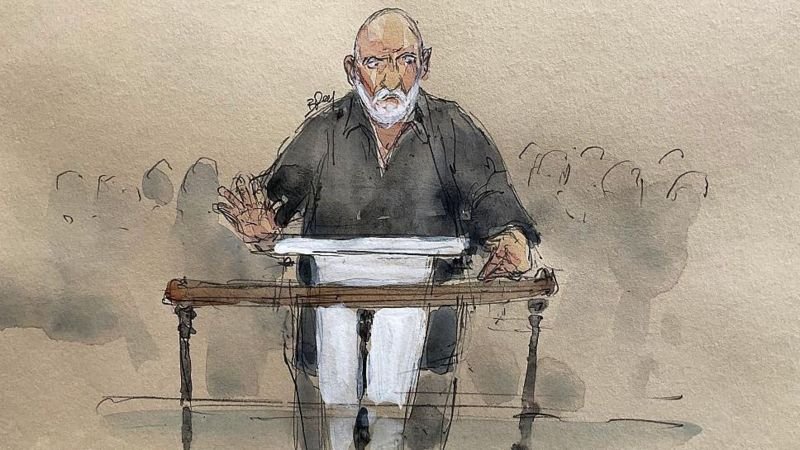


One of the suspects involved in the notorious Paris robbery targeting reality TV star Kim Kardashian has died just a month after being found guilty. Didier Dubreucq, known by the nickname “Blue Eyes,” passed away at the age of 69. His death came amid a long battle with lung cancer, which he had been undergoing treatment for even before the trial began. His conviction, along with several others, was part of one of the most high-profile celebrity crime cases in recent years.


In 2016, Kim Kardashian was the victim of a terrifying armed robbery inside her Paris hotel room. The thieves, later dubbed the “grandpa robbers” due to their ages, managed to escape with an estimated $10 million worth of jewellery. Among the stolen items was a $4 million engagement ring gifted by her then-husband, rapper Kanye West.

The robbery wasn’t just a theft—it was a deeply traumatic event. Kardashian was bound, gagged, and held at gunpoint. She feared for her life, believing she would be killed during the ordeal. The crime shocked the world and raised questions about celebrity security, especially in the age of social media where stars frequently share their locations in real-time.
I. Who Was Didier Dubreucq?
1. Background and Health Condition
Didier Dubreucq was 69 years old at the time of his death and one of the eight men found guilty in connection with the robbery. Prior to his sentencing, Dubreucq had been diagnosed with lung cancer while in pre-trial detention. He had been undergoing chemotherapy and was reportedly in poor health throughout the legal proceedings.

Despite his serious illness, Dubreucq maintained his innocence throughout the trial. “It’s a case of mistaken identity… I had nothing to do with this,” he told the court during his April testimony. His health condition prevented him from being present at the sentencing, but the court still issued a seven-year sentence—five years of which were suspended.
2. Sentence and Ethical Considerations
Dubreucq did not return to prison after his conviction because he had already served two years in pre-trial detention. This, coupled with his declining health, played a key role in the court’s decision to issue a suspended sentence. Judge David De Pas stated that due to the fragile health conditions of the main defendants, ethical concerns prevented the court from enforcing additional incarceration.
This judgment set a precedent for how courts might handle sentencing for older, ill defendants in future cases involving violent crimes. The decision was met with mixed reactions, particularly from those who believed justice required stricter penalties regardless of age or health.
II. The Trial: A Closer Look
1. Lengthy Proceedings and Emotional Testimonies
The trial, which lasted three weeks, featured powerful and emotional testimonies—most notably from Kim Kardashian herself. On the stand, she recounted the horror of the night she was robbed, revealing she feared for her life. “I thought I was going to be shot dead on that bed,” she said in a chilling recollection of the incident.
Despite the time that had passed since the robbery, Kardashian said the trauma remains vivid in her memory. “It was the most terrifying experience of my life,” she shared in a statement following the verdict. “It left a lasting impact on me and my family.”
2. The “Grandpa Robbers”: Who Were They?
The unusual nickname given to the group—“grandpa robbers”—stemmed from the advanced ages of those involved. Most of the accused were in their 60s and 70s, a fact that added a bizarre twist to an already shocking crime. In total, eight individuals were found guilty, with sentences ranging from suspended prison terms to time served in detention. Three others received up to eight-year sentences, which were also largely suspended for similar reasons—time served and health considerations.
This detail captured the public’s imagination and media headlines. It’s not common to hear of elderly individuals orchestrating a multimillion-dollar heist against one of the world’s most famous celebrities.
III. Reactions and Broader Impact
1. Kim Kardashian’s Response
Kim Kardashian has spoken openly about how the robbery has altered her outlook on fame, safety, and public exposure. After the incident, she drastically reduced her presence on social media and increased her personal security measures. In public statements, she has reflected on how deeply the event affected her, saying that the fear and anxiety remain years later.
Kardashian’s openness about the trauma has also contributed to broader discussions on mental health and post-traumatic stress disorder (PTSD), particularly among public figures. Her statement after the trial concluded underscored how serious and damaging the crime was—not just financially, but emotionally.
2. Public Discourse on Crime and Justice
The decision to issue suspended sentences to several convicted individuals due to age and illness raised debates in France and abroad. Should health override justice? Should age soften the consequences of serious crimes?
While many sympathized with Dubreucq’s condition, others questioned whether leniency was appropriate in such a severe case involving armed robbery and psychological trauma. Legal experts noted that the court’s decision reflected a humane approach, but acknowledged it could set a controversial precedent.
Conclusion
The death of Didier Dubreucq adds a final, somber note to one of the most talked-about celebrity crime stories of the past decade. While the Paris robbery targeted Kim Kardashian’s material possessions, the lasting damage went far beyond jewellery—it left a permanent emotional scar on the victim and raised ongoing discussions about crime, justice, and ethics in the legal system.
This case serves as a reminder that high-profile crimes don’t always follow the scripts we expect. Elderly criminals, ethical sentencing, and the lasting effects on victims all collided in a legal drama that captivated the public.
As the dust settles on this case, it leaves behind questions about how society punishes wrongdoing, protects victims, and handles justice when life and health hang in the balance.