





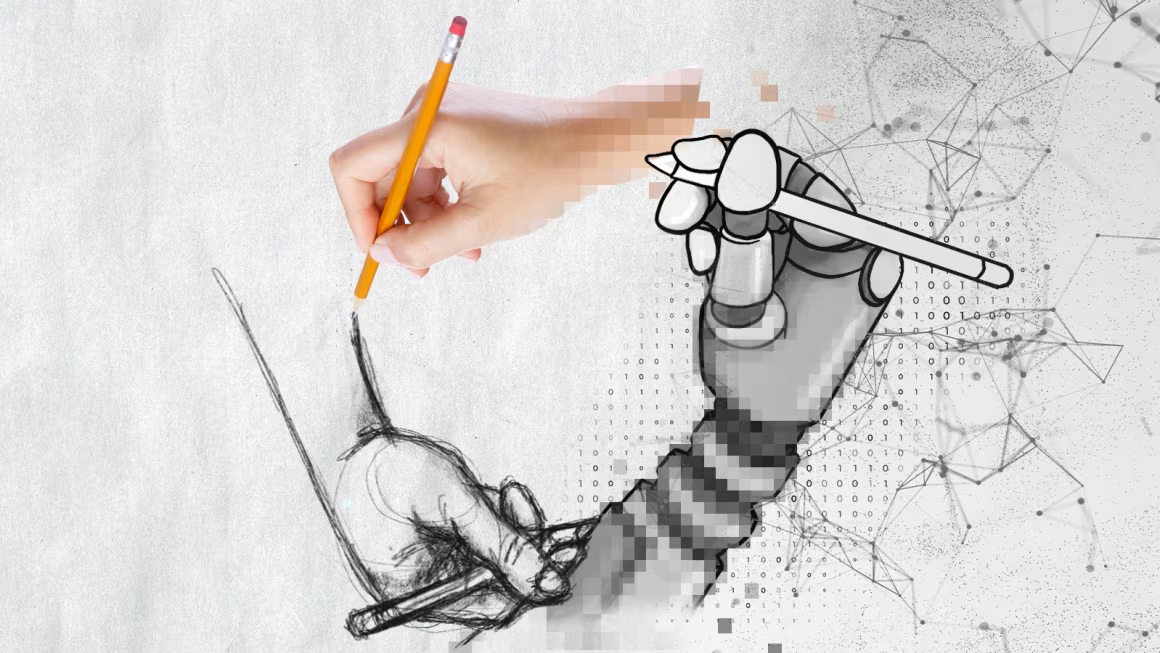

The comic book industry has weathered numerous storms over the decades—from heavy-handed censorship in the 1950s to the dramatic sales slump in the 1990s, and now, the digital revolution. As artificial intelligence enters the scene, many artists fear it may be the next existential threat. While some creators remain cautious, wary of its implications on copyright and job stability, others are exploring how AI can enhance their creative process and productivity. Like many technological shifts before it, AI presents both opportunities and challenges for an industry built on imagination.

I. The Rise of AI in Comic Book Creation
1. Speed and Efficiency Gains
Veteran illustrator Jim Starlin, best known for creating Thanos, has announced plans to integrate AI into an upcoming project. He compares resistance to the new technology to past skepticism toward other innovations. Similarly, Steve McDonald, a seasoned illustrator and AI art teacher, highlights AI’s capacity to accelerate production timelines and reduce workload by acting as a team of digital assistants.
2. AI Tools Already in Use
Digital comic publisher WEBTOON has embraced AI technology to help streamline the creative process. According to the company’s SEC IPO filing, AI features like painting, 2D, and 3D modeling tools are already being rolled out to ease the workload for artists and boost content quality. Lawyer Gamal Hennessy also sees potential in AI’s ability to help with pitch development, repetitive tasks, and research—especially valuable to small or independent publishers who lack the resources of larger companies.
II. Industry Concerns and the Human Cost
1. Job Security and Missed Opportunities
Not all creators share the same optimism. Amy Reeder, an artist with credentials from Marvel and DC, suspects that she lost a job to AI-generated content. Her concerns reflect a wider anxiety that AI may displace traditional roles in the industry, much like the fears currently unsettling other creative sectors, including film and visual effects.

2. Threats to Artistic Growth
Long-time artist and educator Steve Ellis points out that AI could hinder the growth of emerging artists. The smaller jobs that once served as stepping stones for newcomers may now be outsourced to machines, depriving artists of crucial learning opportunities. According to Ellis, many of his students are already uncertain about their future and are questioning how to integrate AI into their own work without losing their identity.
3. Copyright and Creative Ownership
Even established professionals express concern over how AI systems are trained. Artists like Ben Caldwell argue that AI often uses copyrighted materials without proper consent, raising both legal and ethical questions. He believes some AI proponents are aligned with a broader movement against intellectual property rights, which can inadvertently harm independent creators far more than corporate entities.
III. Finding a Middle Ground
1. Historical Parallels and Potential Solutions
Attorney Jeff Trexler of the Comic Book Legal Defense Fund draws comparisons to the piracy issues faced by the music and film industries in the late ’90s and early 2000s. He points out that platforms like Spotify eventually emerged to offer legal alternatives, albeit with minimal compensation. Trexler believes that similar licensing frameworks could help visual artists retain control over their content while still participating in AI training datasets.
2. Legal Protections and Education
With copyright law still catching up to the pace of technological change, many in the comic book industry are turning to legal safeguards. At New York Comic Con, a group of attorneys hosted an educational panel focused on contract clauses that can protect creators from having their work used in AI training without consent. Attorney Thomas Crowell emphasized the importance of awareness, advising creators to tread carefully when adopting AI tools so they don’t inadvertently compromise their earning potential.
Conclusion
As artificial intelligence becomes more deeply woven into the fabric of creative industries, comic book creators find themselves at a crossroads. For some, AI offers a new path to enhanced productivity and creative freedom; for others, it threatens the very essence of their profession. The future of comics in an AI-driven world will likely depend on thoughtful implementation, transparent practices, and legal protections that honor the rights of human creators. Just as the industry has adapted to past upheavals, it may once again find a way to coexist with a disruptive force—this time, powered by algorithms.








