




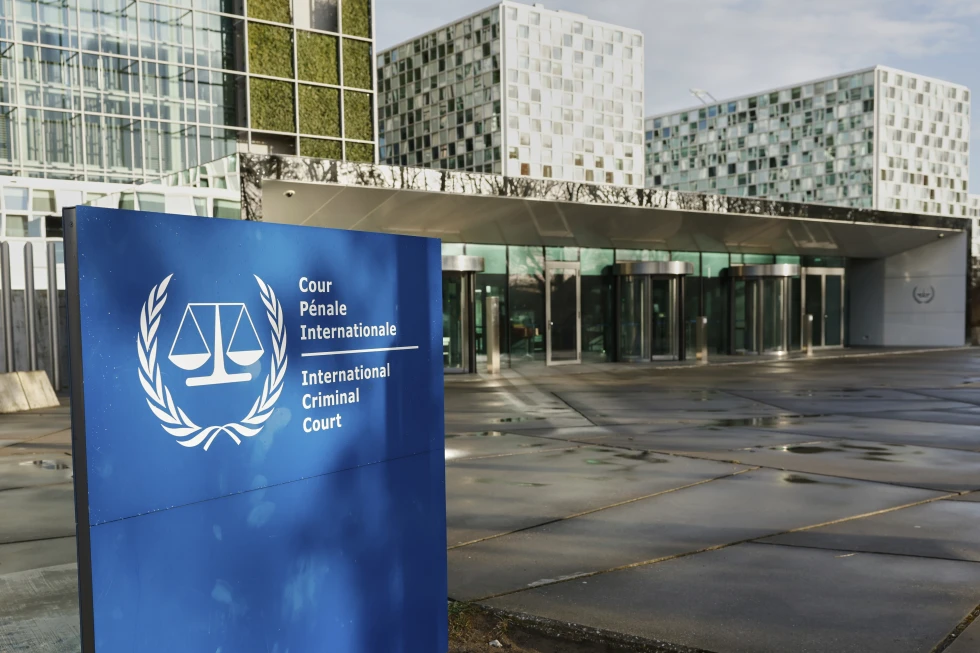

The International Criminal Court (ICC) recently confirmed it had been hit by a “sophisticated” cyberattack, marking another security breach following a similar incident in 2023. Although the court stated that the latest attack has been contained, it provided limited details about the extent of the breach or the motives behind it. This incident comes at a sensitive time, as the ICC handles several politically charged investigations and international arrest warrants.


I. Overview of the Cyberattack
1. Incident Details and Response Measures
According to the ICC, the breach occurred last week and prompted immediate action to assess the scope of the damage and prevent further harm. A statement from the court emphasized that a comprehensive impact analysis is currently underway and that steps are being implemented to limit disruptions to ongoing operations.


2. Business Continuity and Containment Efforts
Court spokesperson Fadi El Abdallah told The Associated Press that the ICC has taken all necessary precautions to ensure uninterrupted operations. While specifics were not disclosed, the court reassured the public that systems are being closely monitored and reinforced to maintain critical judicial functions.

II. Context Surrounding the Attack
1. Timing Amid Heightened Security Events
The cyberattack coincided with a NATO summit hosted in The Hague, which involved 32 member nations. The event was conducted under strict security protocols, including digital safeguards designed to protect against cyber threats. Despite these efforts, the breach of the ICC’s network during such a high-alert period raises serious concerns about the resilience of international institutions to cyber intrusions.
2. Ongoing Struggles from Previous Breaches
This is not the ICC’s first encounter with cyberattacks. In 2023, the court experienced another intrusion, and it is still recovering from that incident. In fact, Wi-Fi capabilities have yet to be fully restored at the ICC’s state-of-the-art headquarters, underlining the lasting impact of digital threats on even the most secure facilities.

III. Political and Investigative Sensitivities
1. High-Profile Cases and Potential Espionage
The ICC currently oversees several high-stakes investigations and preliminary examinations across the globe. Given its involvement in politically sensitive cases, the court has long been considered a target for espionage. In 2022, Dutch intelligence thwarted an attempt by a Russian agent—operating under a false Brazilian identity—to infiltrate the ICC as an intern. The court is actively investigating Russia for alleged war crimes in Ukraine, including issuing an arrest warrant for President Vladimir Putin.
2. ICC Actions That May Provoke Retaliation
The court’s legal actions often invite backlash. Its issuance of arrest warrants for Israeli Prime Minister Benjamin Netanyahu and former Defense Minister Yoav Gallant in connection with Israel’s military operations in Gaza has been met with international controversy. U.S. President Donald Trump has previously sanctioned ICC Prosecutor Karim Khan and, more recently, targeted four ICC judges with additional sanctions. Such developments further highlight the politically charged environment in which the ICC operates—an environment that may make it vulnerable to cyber aggression.
IV. The Threat to Judicial Independence and Digital Integrity
1. Risk to Confidential Information
While the ICC has not disclosed whether sensitive data was compromised, the nature of the court’s work makes it a prime target for actors seeking confidential case files or strategic insights. The breach raises legitimate concerns about whether the security measures in place are sufficient to protect sensitive judicial materials from unauthorized access or manipulation.
2. Cybersecurity Challenges for Global Justice Systems
The attack on the ICC is a stark reminder of the growing digital threats facing international legal institutions. As more courts adopt digital workflows and store vast amounts of data online, they increasingly become attractive targets for cybercriminals and state-backed hackers. The sophisticated nature of the latest attack on the ICC underscores the urgency for robust, adaptive cybersecurity frameworks in the judicial sector.
V. Broader Implications for International Law and Order
1. Impact on Global Legal Institutions
This cyberattack may have far-reaching implications beyond the ICC. Other international tribunals and legal bodies may now face elevated risks, particularly those dealing with politically sensitive investigations. The breach demonstrates that judicial systems, like governments and corporations, are vulnerable to digital sabotage, especially when their rulings threaten the interests of powerful state actors.
2. The Need for International Cybersecurity Collaboration
Addressing these threats requires coordinated international action. Governments, tech companies, and judicial institutions must work together to share intelligence, build resilient networks, and develop standards for responding to cyberattacks. As digital infrastructure becomes more integral to global governance, the protection of these systems must become a top priority.
Conclusion
The recent cyberattack on the International Criminal Court highlights the escalating vulnerability of international legal institutions in the digital age. With multiple high-profile investigations and politically sensitive indictments on its docket, the ICC faces both technological and geopolitical threats. As the court works to assess the impact and reinforce its systems, the global community must recognize the broader implications and invest in safeguarding the integrity of justice worldwide. Strengthening cybersecurity is not just a technical necessity—it’s essential for preserving the credibility and effectiveness of international law.








