





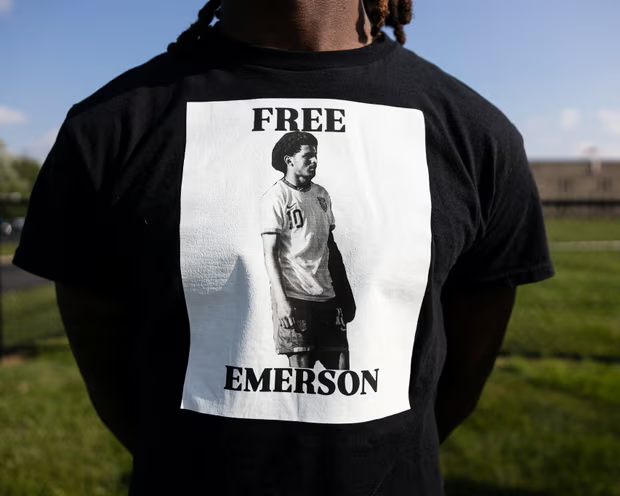


In a case that has drawn national attention, 19-year-old Emerson Colindres—an Ohio high school graduate and accomplished soccer player—has spoken publicly for the first time about his recent deportation to Honduras. Despite having no criminal history, Colindres was detained and sent back to a country he hasn’t lived in since childhood. His story sharply contrasts with the Trump administration’s stated immigration policy, which claims to focus deportations on dangerous criminals. Instead, Colindres’s account underscores the growing number of undocumented individuals being removed for civil violations alone.


I. A TRAUMATIC RETURN TO A FORGOTTEN HOMELAND
1. Colindres Describes Being Handcuffed and Confined
Speaking from Honduras during a video interview with Cincinnati’s WCPO news station, Emerson Colindres recounted his harrowing deportation experience. “The whole flight I was handcuffed like we’re some big criminals,” he said, describing the distress of being physically restrained despite never having been arrested in the U.S. Before his deportation, he endured nearly two weeks of pre-deportation detention, spending 22 hours a day inside a jail cell.

“It was mentally draining,” Colindres said. “You were in there 22 hours doing nothing. That’s crazy.” His experience starkly illustrates the emotional toll of detention, especially on young immigrants with no criminal background.
2. Deportation After Graduation Stuns Supporters
Colindres, who came to the U.S. at age eight, was a standout athlete at Gilbert A. Dater High School in Cincinnati. Just days after celebrating his high school graduation, he was detained by Immigration and Customs Enforcement (ICE) while attending a routine check-in. Community members, teachers, and teammates were stunned by his sudden arrest and rallied in protest outside the local jail.
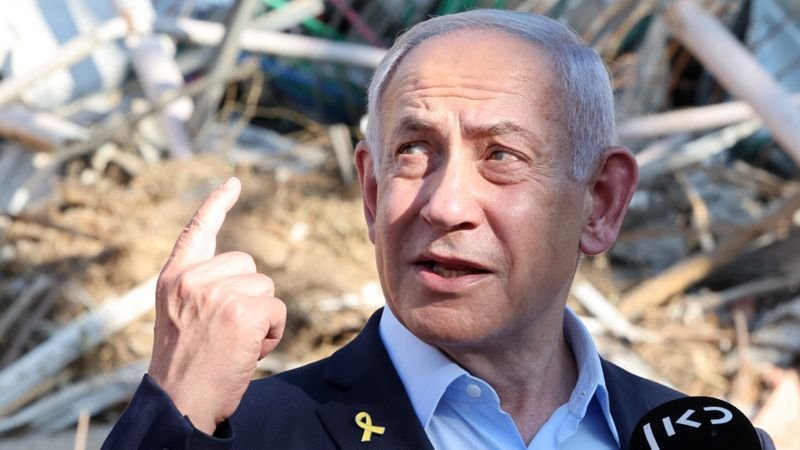
Despite public outcry, Colindres was transferred to a detention center in Louisiana before being deported to Honduras on June 18. He had not returned to his birth country in over 11 years.
II. SHIFTING IMMIGRATION ENFORCEMENT UNDER TRUMP
1. Discrepancy Between Policy and Practice
Since returning to the White House in January, President Donald Trump has emphasized that his administration’s immigration crackdown targets individuals with criminal convictions and final removal orders. However, Colindres’s case reveals a different reality. According to recent data, a growing number of people without criminal records—including students like Colindres—are being deported.
Colindres was clear: “A lot of people on that flight didn’t have criminal records—myself included.” While the administration argues that it is enforcing court orders, critics say the policy overlooks humanitarian concerns and disproportionately targets young immigrants with strong community ties.
2. Civil Violation, Criminal Treatment
Although being in the U.S. without legal status is a civil offense, many undocumented immigrants like Colindres are being treated as if they committed serious crimes. The excessive restraints and extended confinement Colindres faced stand in sharp contrast to the non-violent nature of his immigration status. ICE has maintained that individuals with final deportation orders are subject to removal regardless of criminal history.
In 2023, a judge finalized removal orders for Colindres and his family after their asylum request was denied. The family had initially applied for asylum citing threats from gang violence in Honduras. Although Colindres’s mother and sister were not detained, they have been ordered to leave the U.S. within 30 days and are expected to reunite with him in Honduras soon.
III. COMMUNITY RESPONSE AND FUTURE PLANS
1. Public Protests Highlight Local Support
Colindres’s detention sparked an outpouring of support from his school and the wider Cincinnati community. Demonstrations were held outside the facility where he was detained, with teachers and classmates expressing outrage over his removal. Colindres said the protests moved him deeply: “It made me realize people really love me and would do a lot for me.”
The public backlash against his deportation reflects broader tensions over immigration enforcement in the U.S., particularly when it affects young, high-achieving individuals who have grown up as part of American communities.
2. Hope and Resilience in Honduras
Now back in Honduras, Colindres remains focused on his dream of becoming a professional soccer player. In a separate interview with local Cincinnati station WXIX, he said he intends to try out for local teams in Honduras. Despite the disruption in his life, he remains optimistic: “Things happen for a reason. Just don’t lose faith,” he said.
His message of resilience resonates with many who face similar uncertainty under shifting immigration policies. Even after the trauma of detention and deportation, Colindres is determined to move forward and pursue his goals.
IV. BROADER IMMIGRATION IMPLICATIONS
1. Policy Sparks Controversy Over Deporting Non-Criminals
The case of Emerson Colindres has become emblematic of a wider trend in immigration enforcement—targeting individuals without criminal records who were previously considered low-priority. Advocacy groups have criticized the Trump administration for conflating immigration violations with criminal activity, thereby justifying aggressive enforcement actions.
According to immigration lawyers and human rights advocates, this shift creates a climate of fear and instability for millions of undocumented immigrants, many of whom have spent most of their lives in the U.S. and contribute positively to their communities.
2. Civil vs. Criminal: The Legal Distinction Often Ignored
Legally, unauthorized presence in the U.S. is not a criminal offense but a civil violation. Yet, as Colindres’s experience illustrates, the treatment of undocumented immigrants often resembles that of convicted criminals—from handcuffs to solitary confinement. Critics argue that such practices undermine the principles of proportional justice and basic human dignity.
The administration defends its actions by pointing to judicial orders of removal, but many question whether enforcement should take into account humanitarian considerations—especially for young immigrants with no legal record or safety concerns.
CONCLUSION
Emerson Colindres’s deportation has spotlighted the human cost of rigid immigration enforcement policies in the U.S. Despite having no criminal history, and being a well-liked student and athlete, he was detained, shackled, and removed from the only home he has known for over a decade. His story raises pressing questions about fairness, due process, and the disproportionate treatment of civil immigration cases. As his family prepares to join him in Honduras and he pursues a future in soccer, Colindres remains a symbol of both the trauma and resilience experienced by many young immigrants caught in an unforgiving system.








