






The United States has halted certain weapon shipments to Ukraine, citing concerns over diminishing military stockpiles, according to officials. This development comes at a critical time as Ukraine faces intensified aerial bombardments from Russia and underscores a shifting defense policy under the Trump administration.

I. Strategic Reassessment of U.S. Defense Support
1. Weapon Shipments Delayed Over Stockpile Worries
U.S. defense officials have reviewed the nation’s military inventory and raised alarms over the depletion of specific munitions previously allocated to Ukraine. The resulting pause in deliveries is seen as a recalibration of national defense priorities under President Donald Trump. These munitions had been part of an ongoing U.S. effort to bolster Ukraine’s defenses since the start of the Russian invasion in February 2022.
2. White House Statement on National Interests
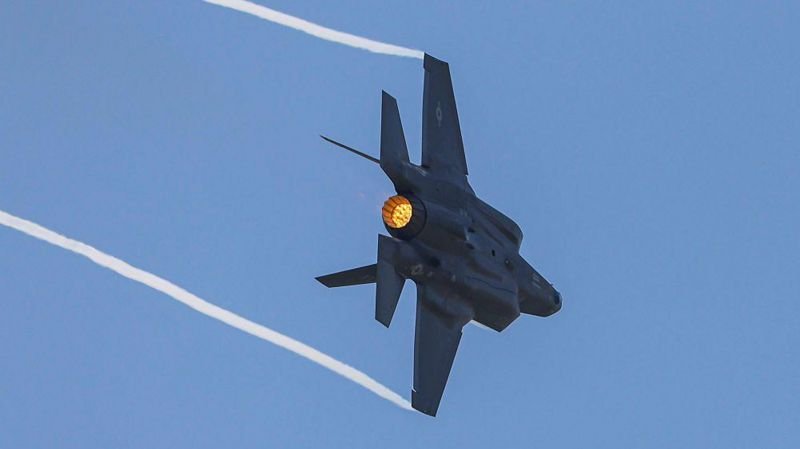
White House spokesperson Anna Kelly emphasized that the move reflects a broader national strategy shift: “This decision was made to put America’s interests first following a review of our nation’s military support and assistance to other countries across the globe.” She reaffirmed the strength of the U.S. military, referencing recent missile strikes on Iranian nuclear sites as proof of American readiness and capability.
II. Pentagon’s Position and Legislative Developments
1. Pentagon Keeps Details Limited
While the Pentagon confirmed a hold on some weapon transfers, it has not disclosed specific items being withheld. A defense official, speaking anonymously, noted that the items in question were no longer deemed immediately deployable due to low reserves.
2. Congressional Support for Military Readiness
Pentagon spokesperson Sean Parnell tied the decision to broader defense reform efforts, including a significant tax and spending package under congressional review. “America’s military has never been more ready and more capable,” Parnell said, highlighting the legislation’s emphasis on modernizing weapons systems to counter 21st-century threats.
III. Impact on Ukraine’s Defense Capabilities
1. Ukrainian Forces Under Pressure
The suspension of some U.S. military aid represents a serious challenge for Ukraine, especially as Russian forces intensify aerial strikes. Recent bombings are among the largest since the beginning of the war, further straining Ukraine’s air defense systems and stalling diplomatic efforts led by the Trump administration.
2. A Shift in U.S. Strategy
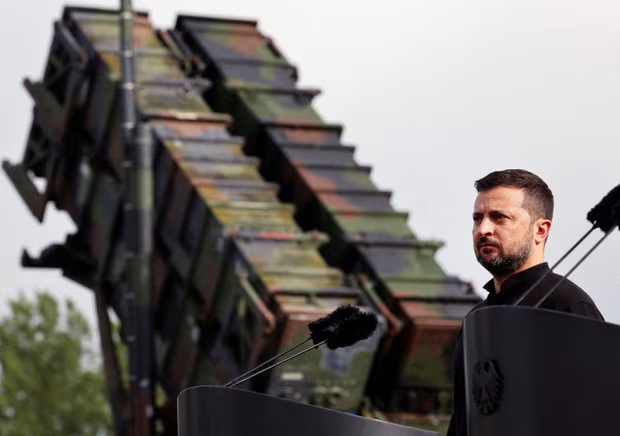
President Trump has indicated a more cautious stance toward supplying advanced military technology, such as Patriot missile systems. While meeting Ukrainian President Volodymyr Zelenskyy at the recent NATO summit, Trump acknowledged the importance of such defenses but was noncommittal. “They do want to have the antimissile missiles, the Patriots,” Trump said. “We’re going to see if we can make some available. We need them, too.”
IV. A Changing Approach to Global Defense Assistance
1. Reduction in Ukraine Aid
Defense Secretary Pete Hegseth has echoed the president’s policy shift, indicating a reduction in military assistance to Ukraine. In a June appearance before lawmakers, Hegseth stated he had moved to eliminate wasteful programs and reallocate funding toward Trump’s core defense goals.
2. Call for European Accountability
Hegseth further emphasized that the European Union should assume greater responsibility for continental defense. “The budget reflects the reality that Europe needs to step up more for the defense of its own continent,” he told Congress, crediting Trump for encouraging this shift. He also reiterated that while some U.S. funding remains in the pipeline, future aid levels will be scaled back.
V. Global and Diplomatic Implications
1. Growing Divide Among NATO Allies
The suspension of weapon shipments has drawn attention from NATO members, especially those in Eastern Europe. Many allies have expressed reluctance to share advanced systems like Patriots, citing concerns over their own national security in light of Russia’s ongoing aggression.
2. U.S.-Russia-Ukraine Triangle
With peace talks between Russia and Ukraine stagnating, the U.S. policy pivot could influence the geopolitical balance in Eastern Europe. Although the Biden administration initially took a firm stance in supporting Ukraine, the Trump administration appears to favor a more restrained, negotiation-based strategy.
VI. Long-Term Strategy and Domestic Considerations
1. A Broader “America First” Doctrine
The U.S. shift in military assistance reflects President Trump’s broader “America First” policy. National security is being prioritized domestically, with less emphasis on prolonged overseas commitments. This marks a stark departure from earlier strategies that heavily backed foreign partners under direct threat.
2. The Financial Burden of Global Security
With over $66 billion already spent on aid to Ukraine, there is mounting concern within the administration about the sustainability of such efforts. The government appears to be moving toward more selective foreign engagement, with emphasis on balancing security with fiscal responsibility.
Conclusion
The decision by the U.S. to pause certain weapon deliveries to Ukraine signals a significant shift in foreign policy under President Trump. As American officials prioritize national defense readiness and call for greater European engagement, Ukraine faces increasing pressure amid escalating Russian attacks.
Though aid is not being entirely cut off, the reduced support reflects a growing reluctance within Washington to bear the full weight of international security burdens. As Ukraine continues its fight, the future of Western military assistance will likely hinge on how Europe responds—and whether diplomatic efforts can succeed in ending the war.