





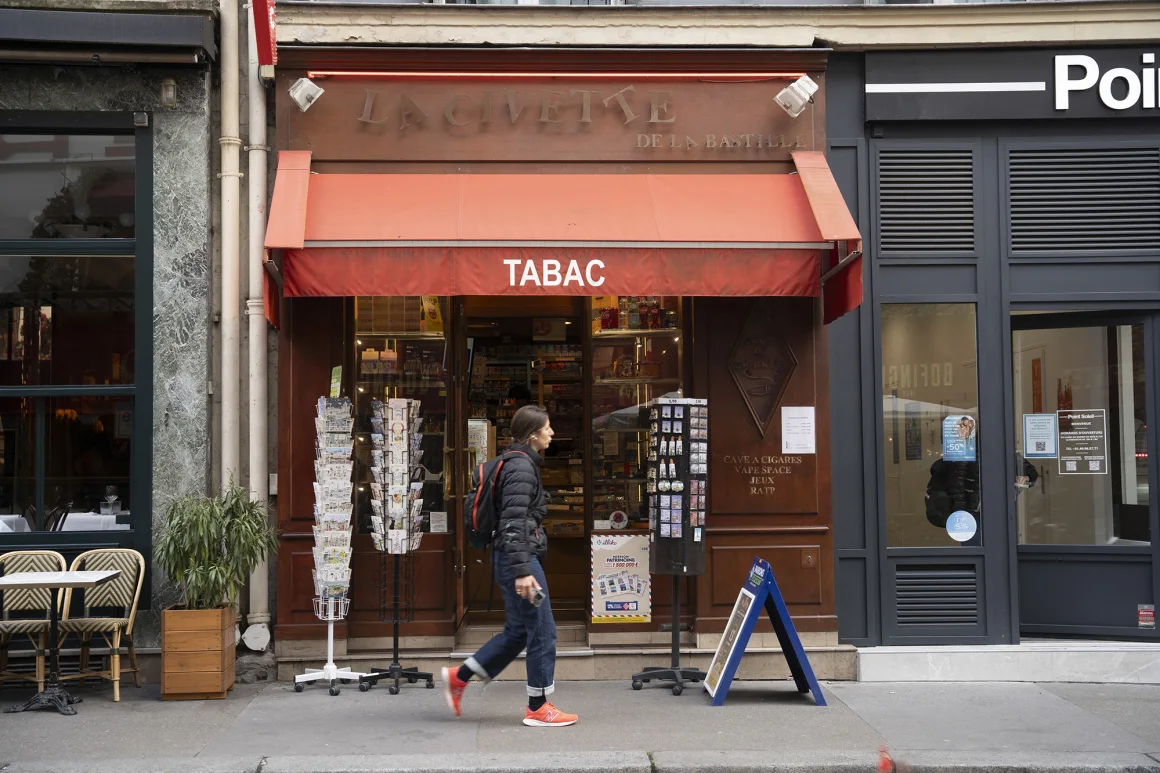


Starting July 1, France has implemented a nationwide ban on smoking in outdoor spaces where children frequent. This includes parks, beaches, bus stops, school entrances, and sports facilities. The new regulation is part of President Emmanuel Macron’s ambitious plan to establish the first tobacco-free generation by 2032. Violators face fines ranging from 90 to 135 euros, affecting not only locals but also tourists unaware of the law.


I. The New Smoking Ban and Public Reaction
1. Scope and Enforcement of the Ban
The ban targets all outdoor areas frequented by children, aiming to reduce young people’s exposure to tobacco smoke. The fine for smokers caught lighting up in these zones is 90 euros if paid promptly, increasing to 135 euros after 15 days. Raquel Venâncio, a senior policy officer at the Smoke Free Partnership, praised France as a European leader in tobacco control, noting the country’s unique nationwide prohibition on beach smoking.
2. Public Opinion and Cultural Resistance
Despite public health goals, the ban faces criticism. Some citizens feel it infringes on personal freedoms. For instance, Parisian student Elise Levaux argued that respectful smokers who don’t litter or disturb others shouldn’t be penalized. Historically, smoking has been intertwined with French culture, exemplified by icons like Brigitte Bardot and Charles de Gaulle, who were rarely seen without a cigarette. This deep-rooted cultural association poses a challenge to enforcement.
II. Tobacco Use Trends and Challenges in France
1. Declining Smoking Rates and Youth Initiation
France has witnessed a decline in smoking rates since the 1990s. Currently, about one-third of adults smoke, with 23% reporting daily use, according to a 2024 public health report. Tobacco use among youth is decreasing too, with daily smoking among 17-year-olds dropping from 25% six years ago to 16% recently. Still, the habit often begins in adolescence, with nearly 90% of smokers starting before 18.
2. The Problem of Illicit Cigarettes
Despite declining smoking rates, France struggles with an “explosion” of cigarette smuggling from countries like Bulgaria, Turkey, and Algeria. A 2024 KPMG study for Philip Morris estimates that illicit cigarettes account for 38% of tobacco consumption, totaling nearly 18.7 billion smuggled cigarettes—making France Europe’s largest illicit tobacco market.
3. Resistance Among Smokers
Smokers like 25-year-old Jane maintain their habit despite the new law. Jane says most of her friends began smoking young and feel defiant about restrictions, viewing smoking as part of their identity and a symbol of resistance.
III. Government Strategy and Future Tobacco Control
1. Protecting Youth and Regulating Vaping
Health Minister Catherine Vautrin stressed that denormalizing smoking and safeguarding youth is a top priority. While France’s new laws do not ban e-cigarettes yet, they introduce stricter nicotine limits and flavor restrictions—particularly on flavors appealing to young people—starting in 2026.
2. Tobacco’s Toll on Health and Environment
Tobacco remains the leading preventable health risk in the EU, causing nearly 700,000 early deaths annually. In France alone, smoking is responsible for 75,000 deaths per year—about 200 daily. Additionally, cigarette waste poses environmental hazards, with 20,000 to 25,000 tons of butts discarded each year.
3. Legal Gaps and Enforcement Issues
Though cigarette sales to minors under 18 have been banned since 2009, enforcement is weak. Nearly two-thirds of tobacco retailers still sell to underage customers, and no law currently forbids minors from smoking—an issue the government intends to address. Smoking on restaurant terraces remains legal, a point of cultural pride and resistance, unlike in Sweden where terrace smoking is banned.
IV. The Tobacco Industry’s Influence and Future Outlook
1. Tobacco Shops and Lobbying Power
France has about 23,000 licensed tobacco shops (“tabacs”), popular in urban areas. These shops hold significant sway over lawmakers due to their popularity, making broad anti-smoking regulations politically challenging. Attempts to ban terrace smoking have faced resistance, with many viewing smoking alongside social activities like wine drinking as culturally ingrained.
2. Comparisons and Lessons from Other Countries
The 2007 indoor smoking ban in bars and restaurants faced similar opposition but eventually gained acceptance. Advocates believe the new outdoor restrictions will follow the same trajectory, normalizing smoke-free public spaces over time.
3. Aligning with EU Goals
France’s initiatives align with the European Commission’s goal to reduce tobacco use to under 5% of the population by 2040. The government sees these measures as initial steps toward broader tobacco control policies.
Conclusion
France’s new ban on smoking in outdoor areas frequented by children represents a major public health milestone aimed at protecting youth and moving towards a tobacco-free generation by 2032. While the law challenges long-standing cultural norms and faces some public opposition, it signals France’s commitment to leading Europe in tobacco control. With ongoing efforts to tighten vaping regulations and tackle illicit cigarette markets, France is set on a path to drastically reduce tobacco use, improve public health, and protect the environment from cigarette waste. As with past anti-smoking reforms, gradual societal acceptance is expected, paving the way for more comprehensive future policies








