







Rwanda and the Democratic Republic of the Congo (DRC) have signed a new peace accord in Washington, aiming to end years of conflict in eastern Congo. While the deal has been hailed as a diplomatic milestone, critics question its vague terms and suggest it could prioritize foreign interests—particularly those of the United States—over long-term stability and justice for Congolese victims. Former U.S. President Donald Trump, who helped broker the deal alongside Secretary of State Marco Rubio, has drawn criticism for celebrating the agreement as a win for U.S. access to Congo’s valuable mineral resources.


I. A Long-Awaited Peace Agreement
1. A Washington Signing and Bold Promises
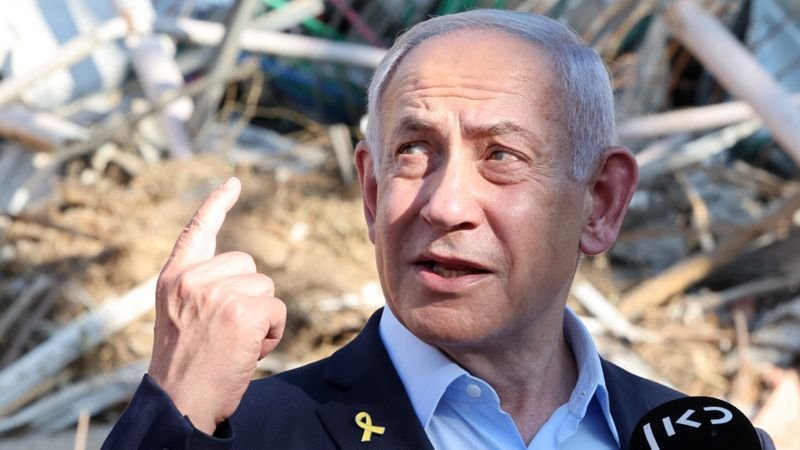
At a formal event in Washington, the foreign ministers of Rwanda and the DRC officially signed a document committing to a peace roadmap established in 2024. The deal outlines a 90-day timeline for the withdrawal of Rwandan troops from eastern Congo and the launch of a regional economic framework. U.S. Secretary of State Marco Rubio acknowledged that challenges remain, but expressed optimism that the agreement will provide people in the region with renewed “dreams and hopes for a better life.”
2. Conflict Rooted in Historical Tragedy
The conflict between the two nations is deeply connected to the aftermath of the 1994 Rwandan genocide, when members of the Hutu majority massacred around 800,000 Tutsis and moderate Hutus. In the years that followed, Hutu militias fled into eastern DRC, sparking cycles of violence that continue today. More recently, the resurgence of the M23 rebel group—a Tutsi-led militia—has intensified fighting in the region, displacing hundreds of thousands and leaving thousands dead.
II. Trump’s Involvement and Controversial Remarks
1. U.S. Mediation and Strategic Interests
The peace agreement was facilitated with the help of both Qatar and the United States. However, former President Trump’s remarks during the event raised eyebrows. He declared that the U.S. would receive access to Congo’s mineral resources as part of the deal, stating, “We’re getting, for the United States, a lot of the mineral rights from the Congo as part of it.” Critics say this positions the agreement as more of a business transaction than a diplomatic resolution.
2. Mineral Wealth at the Center
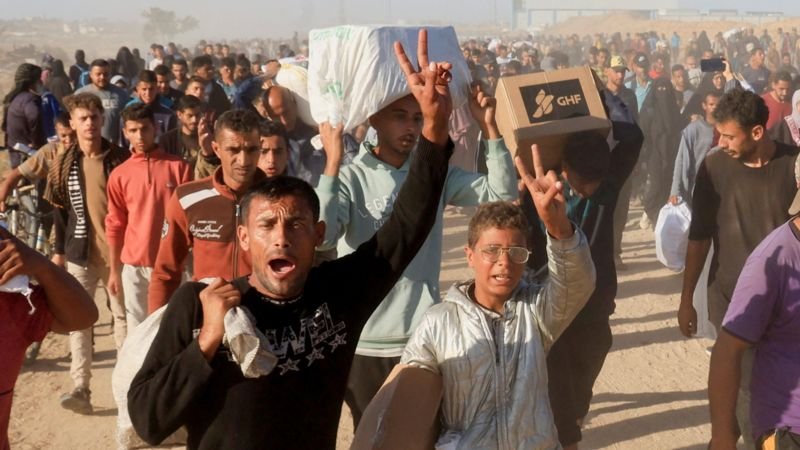
Eastern Congo is known for its rich deposits of critical minerals like cobalt, lithium, tantalum, copper, and gold—all essential for high-tech industries and electric vehicle batteries. The agreement includes a push for economic integration and foreign investment in mining sectors. While the U.S. is eager to secure access to these resources, many fear this comes at the expense of sovereignty and justice for affected Congolese communities.
III. Key Elements and Stakeholder Positions
1. Disarmament and Neutralization of Armed Groups
The agreement outlines a plan to disarm all non-state armed groups operating in the region. A key element is the “neutralisation” of the Democratic Forces for the Liberation of Rwanda (FDLR), a militia comprised of Hutu extremists linked to the 1994 genocide. Rwanda has consistently demanded the elimination of the FDLR and denies allegations of supporting M23 rebels. Meanwhile, the DRC and international observers accuse Rwanda of using M23 to gain access to mineral resources in the region—claims Kigali has repeatedly denied.
2. A Promise to Respect Sovereignty
Thérèse Kayikwamba Wagner, the DRC’s foreign minister, emphasized that the peace agreement is grounded in mutual respect for state sovereignty. “Peace is a choice, but also a responsibility to respect international law, uphold human rights, and protect the sovereignty of states,” she stated during the signing.
3. Upcoming Summit and Regional Vision
The joint communiqué issued before the agreement also spoke of organizing a Washington summit involving Trump, Rwandan President Paul Kagame, and DRC President Félix Tshisekedi. This future meeting would serve as a platform for furthering regional economic cooperation and solidifying political commitments made in the current agreement.
IV. Scrutiny from Rights Advocates and Experts
1. Questions About Transparency and Justice
Despite the diplomatic fanfare, the deal has faced serious criticism for its lack of clarity and failure to address past abuses. Nobel Peace Prize winner Dr. Denis Mukwege, renowned for treating victims of wartime sexual violence in the DRC, warned that the agreement lacks provisions for justice or reparations. He argued that by not acknowledging Rwanda’s alleged role in the conflict, the agreement could serve to legitimize the plundering of Congolese resources.
2. “Peace Without Accountability”
Mukwege took to social media to voice his discontent, stating, “In its current state, the emerging agreement would amount to granting a reward for aggression, legitimising the plundering of Congolese natural resources, and forcing the victim to alienate their national heritage by sacrificing justice in order to ensure a precarious and fragile peace.” His comments reflect a wider concern among Congolese civil society that the deal is designed to create surface-level peace while ignoring the need for truth, justice, and reparations.
V. The Stakes of Mineral Access and Regional Influence
1. Economic Integration or Exploitation?
The regional economic integration framework proposed in the agreement has been presented as a win-win scenario. Yet analysts argue that without strict safeguards, such frameworks risk becoming tools for exploitation. The U.S.’s eagerness to tap into Congo’s mineral reserves raises fears that local communities will see little benefit from resource extraction while bearing the brunt of environmental and social consequences.
2. Foreign Investment and Local Realities
While foreign investment can boost infrastructure and employment, there is a long history in the DRC of natural resources being exploited by outsiders with minimal reinvestment in local communities. Unless the new framework includes clear mechanisms for profit-sharing, regulation, and community consent, the peace deal may deepen rather than resolve grievances.
Conclusion
The recent peace agreement between Rwanda and the DRC, signed in Washington with strong U.S. backing, has been celebrated as a step toward ending one of Africa’s most entrenched conflicts. However, the deal’s vague terms, Trump’s open focus on mineral acquisition, and the absence of justice measures have triggered skepticism. While disarmament and economic integration may signal progress, critics warn that peace without accountability risks reinforcing cycles of violence and exploitation. For this agreement to bring lasting change, it must center not just on state interests and foreign investment—but also on truth, reconciliation, and the well-being of ordinary people across the Great Lakes region.








