




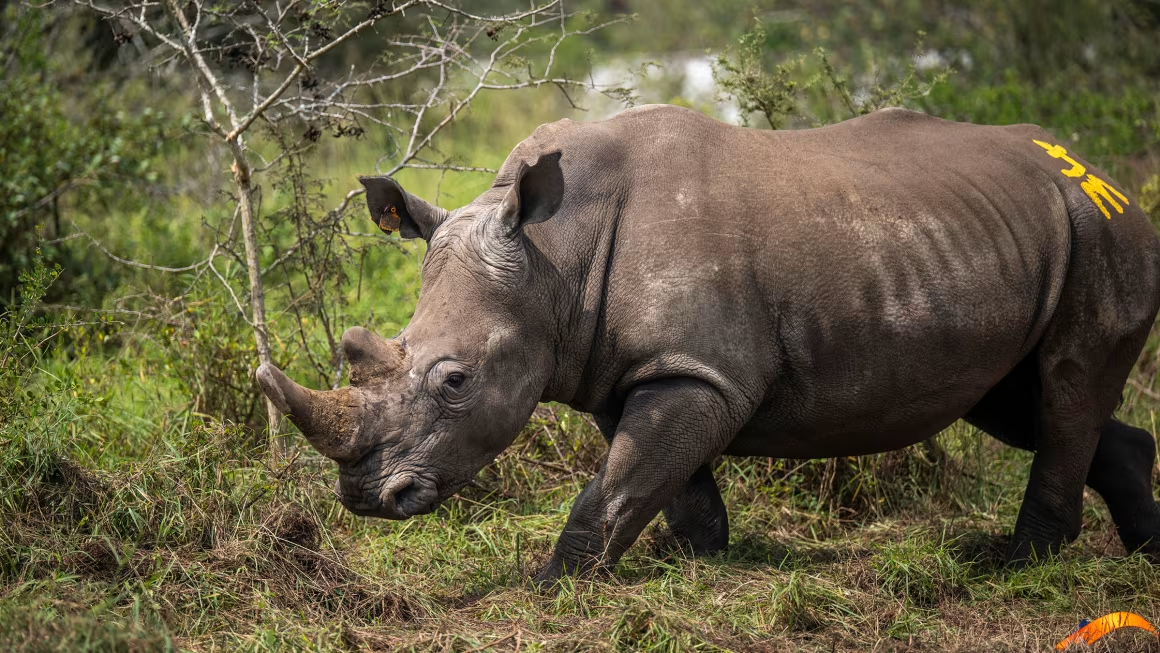


Transporting 70 of Africa’s largest land mammals across 3,400 kilometers was no simple task—but it might just be a turning point in wildlife conservation. In early June, a major relocation effort successfully transferred dozens of southern white rhinos from South Africa to Rwanda’s Akagera National Park. The initiative, led by conservation nonprofit African Parks, aims to reintroduce captive-bred rhinos into the wild, enhancing population diversity and improving long-term survival odds for the species. It’s a massive undertaking, but one that conservationists believe could be a model for future wildlife restoration projects across the continent.


I. MASSIVE LOGISTICAL UNDERTAKING
1. 70 Rhinos, One Cross-Continent Mission
In what is being hailed as one of the most ambitious wildlife relocations to date, African Parks moved 70 southern white rhinos over 2,100 miles from South Africa to Rwanda. The journey required an intricate network of equipment and logistics—including cranes, steel crates, transport trucks, and a Boeing 747.

The animals, each weighing over 2,000 kilograms (more than 4,400 pounds), were initially transported to the Munywana Conservancy in South Africa to acclimate them to conditions similar to Akagera. From there, they were flown to Kigali and driven to their final destination in Akagera National Park.
Martin Rickelton, head of translocations at African Parks, described the operation as extremely high risk but was relieved that early reports suggested all the animals were adapting well to their new home. “All reports are good,” Rickelton said. “Seeing them walk out of the crates makes all the months of planning worth it.”

2. Costly But Critical Conservation
The planning and execution of the relocation took more than 18 months, with the total cost per rhino—including three years of follow-up monitoring—estimated at around $50,000. The project received major backing from the Howard G. Buffet Foundation.
The animals will be closely observed by veterinary experts to ensure they adjust to the new habitat, where enhanced anti-poaching measures, including canine patrol units, have already significantly reduced illegal activity.
II. FROM CONTROVERSY TO CONSERVATION
1. A Controversial Beginning
The rhinos originated from a breeding program established by John Hume, a South African property developer who championed the legalization of rhino horn trade. Hume’s initiative aimed to curb poaching by legally flooding the market with trimmed horns, collected without harming the animals. Over time, he amassed a massive herd and a large stockpile of horn, hoping it would both discourage poachers and fund long-term conservation.
However, with international laws continuing to ban the trade, Hume’s project eventually ran out of financial resources. By 2023, he placed the entire operation—2,000 rhinos and 8,000 hectares of land—up for sale, stating he had invested nearly $150 million over the years, mostly on security. Despite this, no buyers emerged.
2. African Parks Steps In
With no commercial interest and the fate of the rhinos hanging in the balance, African Parks acquired the animals and land for an undisclosed price. The organization, which oversees 23 protected areas across Africa, then launched its “Rhino Rewild” initiative to return the animals to suitable wild habitats over the next decade.
Taylor Tench, a senior wildlife policy analyst with the Environmental Investigation Agency US, called the effort a “milestone in conservation,” emphasizing its significance in restoring rhino populations across the continent.
III. A SPECIES IN DANGER
1. Southern White Rhinos: A Race Against Time
Currently, there are only around 17,000 southern white rhinos remaining in the wild, classified as “near threatened” by the International Union for Conservation of Nature (IUCN). The 2,000 rhinos now in African Parks’ care make up more than 10% of the existing global population.
The species faces significant threats from poaching, driven by demand in some parts of Asia where rhino horn is mistakenly believed to cure ailments ranging from hangovers to cancer or is seen as a symbol of wealth.
Poachers often kill rhinos outright or tranquilize them to saw off their horns, sometimes removing part of their skulls in the process and leaving them fatally injured. In South Africa alone, 420 rhinos were killed in 2024, including over 100 in just the first quarter of the year.
2. Poaching Hotspots and Progress
Between 2012 and 2015, rhino poaching was at its peak. Since then, countries like Kenya and Zimbabwe have made strides in reducing these crimes. Kenya, for instance, reported no rhino poaching in 2023. However, South Africa and Namibia remain primary hotspots.
Tench emphasized the need for better resources and international cooperation to dismantle the organized criminal networks that manage illegal horn trade. He also stressed the importance of targeted government actions to combat wildlife trafficking more effectively.
IV. A FUTURE ROOTED IN WILDERNESS
1. Building a Genetically Viable Herd
This is not the first time Akagera has received rhinos. In 2021, 30 rhinos were relocated there from another South African reserve. Since then, 11 calves have been born, signaling a positive start to the park’s rhino program. With the new additions, Akagera now hosts a genetically diverse and sustainable population, ensuring stronger lineage for future generations.
Rickelton highlighted the joy and emotional reward of seeing the rhinos walk into their new environment. “It’s a story of hope,” he said. “In a world that doesn’t always offer positive news, this is a real win.”
2. Next Steps in Rewilding
African Parks is already planning future translocations to distribute the remaining rhinos across different regions in Africa. The organization has set up rigorous criteria for new homes—these include suitable habitats, long-term security, and sufficient financial support.
By dispersing the rhino population across multiple countries, African Parks aims to minimize risk, enhance genetic diversity, and establish strongholds in regions with low poaching rates and strong conservation support.
Conclusion
The relocation of 70 southern white rhinos from South Africa to Rwanda stands as a historic achievement in wildlife conservation. More than just a logistical triumph, the mission marks a hopeful shift in how threatened species can be preserved—not in captivity, but within their natural ecosystems. As African Parks continues its ambitious rewilding efforts, the hope is that these rhinos will not only survive but thrive, becoming symbols of resilience and renewal for an entire continent.