





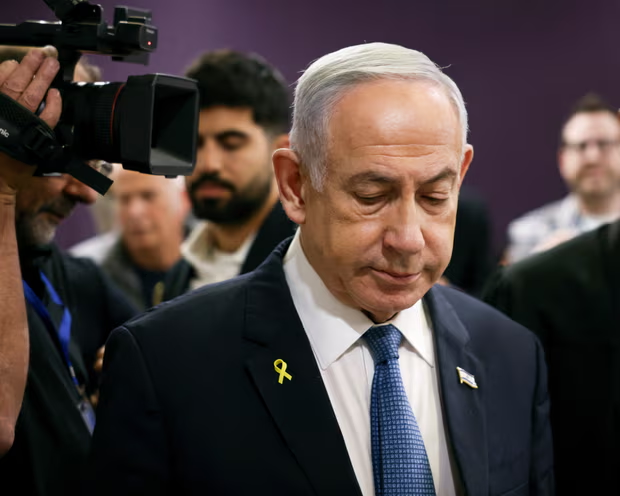


An Israeli court has agreed to postpone hearings in Prime Minister Benjamin Netanyahu’s ongoing corruption trial, citing national security and diplomatic priorities as justification. The decision follows a formal request from Netanyahu and top intelligence officials, amid heightened tensions with Iran and the ongoing Gaza conflict. The delay also comes on the heels of former U.S. President Donald Trump publicly calling for the case to be dismissed, raising new questions about the intersection of legal accountability, political leadership, and international diplomacy.
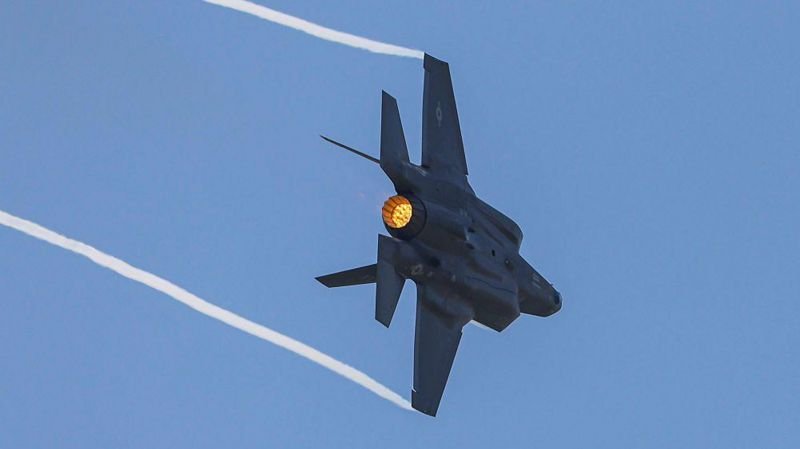

I. Court Delays Netanyahu Trial Amid Security Concerns
1. Security Arguments Sway Court Decision
The Jerusalem District Court announced this week that it had accepted, in part, a request to cancel scheduled hearings in Netanyahu’s long-running corruption trial. The court cited new justifications presented by Netanyahu, the Mossad chief, and the head of military intelligence as compelling reasons to halt proceedings temporarily. The ruling, posted by Netanyahu’s Likud party, underscores the exceptional weight given to national security arguments in judicial decisions, particularly when a sitting prime minister is involved.
2. Legal Proceedings Temporarily Suspended
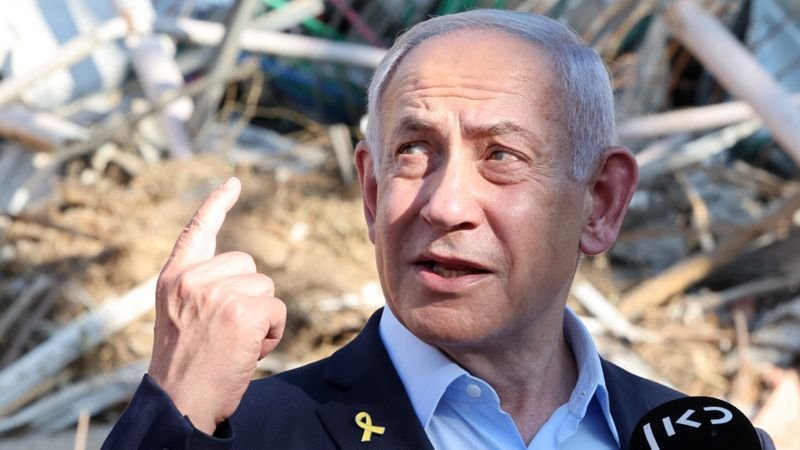
Originally scheduled hearings were called off, with the court acknowledging the urgency of Netanyahu’s diplomatic and security responsibilities. His legal team argued that the prime minister needed uninterrupted time to address pressing issues, including post-ceasefire negotiations with Iran and ongoing military operations in Gaza. After initially rejecting this argument, the court reversed its stance upon reviewing new evidence and hearing directly from senior officials.
II. Trump’s Intervention Sparks Controversy
1. Trump Calls for Dismissal of Trial
Former U.S. President Donald Trump stirred international controversy by calling for the immediate cancellation of Netanyahu’s trial. On his Truth Social platform, Trump labeled the legal proceedings a “witch hunt” and suggested the Israeli leader should either be acquitted or pardoned. He further claimed the trial could impede Netanyahu’s capacity to engage in critical negotiations with Hamas and Iran, asserting that the U.S. “would not stand” for the continuation of the case.
2. Netanyahu Responds with Gratitude
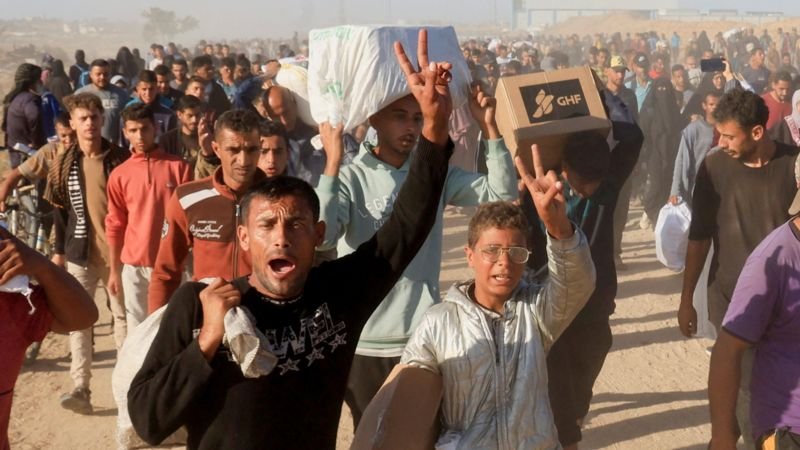
In response to Trump’s remarks, Netanyahu posted a message on X (formerly Twitter) thanking the former U.S. president for his support. Trump’s comments, however, drew sharp criticism from Israeli political figures, including opposition leader Yair Lapid, who warned against foreign interference in the internal judicial matters of a sovereign state.
III. Overview of the Charges Against Netanyahu
1. Indictment Details and Denials
Netanyahu was formally indicted in 2019 on multiple charges, including bribery, fraud, and breach of trust. He has categorically denied all allegations and insists the case is politically motivated. The charges stem from three separate cases, involving allegations that Netanyahu accepted lavish gifts in exchange for political favors and sought favorable media coverage from prominent Israeli outlets in return for regulatory benefits.
2. Luxury Gifts and Media Deals
One case alleges that Netanyahu and his wife, Sara, received over $260,000 worth of luxury items—such as cigars, champagne, and jewelry—from wealthy businessmen seeking political influence. In the other two cases, Netanyahu is accused of trying to secure better press coverage through negotiations with Israeli media organizations, including suggestions of favorable policy decisions in exchange for more positive reporting.
IV. Trial History and Strategic Delays
1. Repeated Postponements Since 2020
Since the trial commenced in May 2020, Netanyahu and his legal team have sought multiple postponements. Each delay has been justified by citing the prime minister’s demanding schedule or urgent national matters. This latest postponement continues that trend, using the volatile regional context as a basis for further delay.
2. Justification Based on National Priorities
In their recent appeal, Netanyahu’s attorneys submitted his schedule to the court, arguing that his full attention is needed for diplomatic and security engagements, particularly in light of ceasefire negotiations and unresolved hostage issues in Gaza. The court initially hesitated but ultimately agreed after further deliberation, acknowledging the “national need” for Netanyahu’s leadership during this critical time.
V. Broader Implications and Political Reactions
1. Opposition Voices Criticism
Critics, including political opponents and legal experts, argue that the trial’s postponement sets a troubling precedent. Yair Lapid, leader of the opposition, was vocal in condemning Trump’s remarks and urged respect for Israel’s independent judiciary. The concern is that continued delays could erode public confidence in the justice system and fuel perceptions of preferential treatment for powerful figures.
2. No Direct Response from Prosecutors
The Israeli prosecution declined to issue a formal comment on Trump’s intervention or the court’s latest ruling. The lack of response has only added to speculation about political pressure surrounding the case and whether justice will ultimately be served.
VI. Conflict Dynamics and Diplomatic Challenges
1. Ceasefire with Iran and Gaza Hostilities
The trial delay coincides with significant developments on the international front. Following a recent ceasefire agreement with Iran after 12 days of hostilities, Israel’s focus has returned to Gaza, where dozens of hostages remain in the hands of Palestinian militants. Netanyahu has framed these efforts as part of a broader campaign to dismantle Hamas and restore national security.
2. Uncertainty in Negotiations
Despite public statements by Netanyahu and Trump, there is little clarity about ongoing negotiations. While Trump claimed a ceasefire was imminent, officials on both sides remain skeptical. Without substantial diplomatic concessions, a durable truce or hostage agreement appears distant.
Conclusion
The cancellation of Netanyahu’s corruption trial hearings, justified by pressing diplomatic and security concerns, adds another layer of complexity to an already polarizing case. With Trump’s vocal support and the intensifying regional conflict, the trial has become more than a legal proceeding—it now sits at the intersection of law, politics, and international relations. As Netanyahu continues to lead Israel through a turbulent period, the future of his trial remains uncertain, prompting debate about the balance between justice and national interest.








