







As tensions between Iran and Israel reached a boiling point, prompting fears of U.S. military involvement, American security agencies sounded alarms over the potential activation of Iranian-backed sleeper cells within the United States. These warnings, though rooted in past patterns of covert Iranian actions, have reignited debates around the real versus perceived threat posed by Tehran’s global network. While military exchanges have ceased for now following a ceasefire, experts remain divided on whether Iran’s clandestine cells represent an imminent danger or a strategic reserve for more critical moments.

I. Sleeper Cells and Their Historical Context
1. Renewed Concerns Amid Iran-Israel Conflict
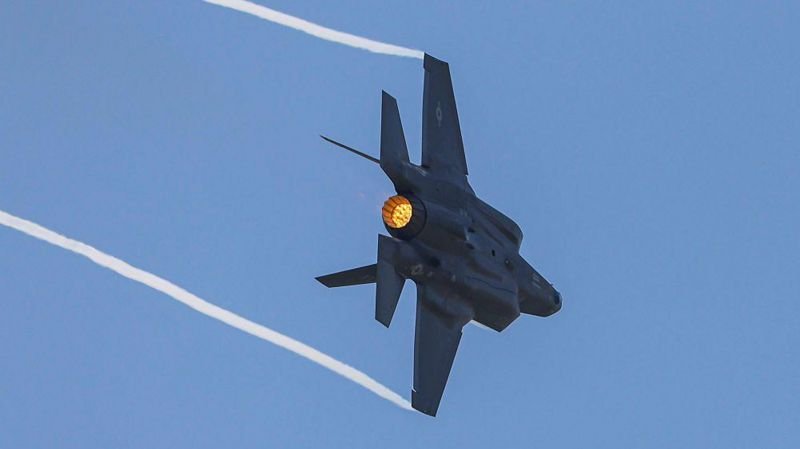
As American B-2 bombers targeted Iranian nuclear facilities and Iran retaliated with missile strikes against U.S. regional bases, the Department of Homeland Security issued a heightened alert, citing the escalating conflict as a catalyst for potential domestic threats. The FBI echoed these concerns, warning of sleeper agents loyal to Iran possibly preparing for retaliation on U.S. soil.
2. IRGC’s Global Reach and Prior Operations
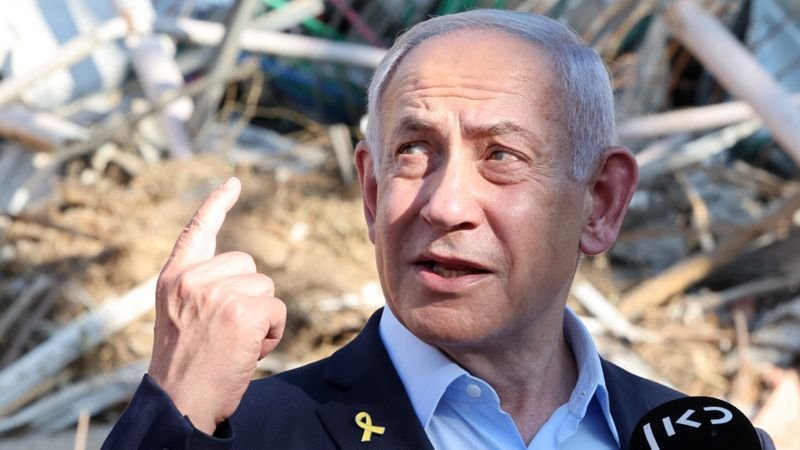
The Islamic Revolutionary Guard Corps (IRGC), a powerful branch of Iran’s military and intelligence apparatus, has long been linked to a web of covert operations through proxy groups like Hezbollah. These groups have historically been involved in targeted assassinations and sabotage campaigns abroad, including attempted operations inside the United States. In 2023, a high-profile case involved an Iranian activist in Brooklyn who was nearly assassinated, allegedly under Iranian orders.
II. Political Rhetoric and National Security
1. U.S. Officials Weigh In
Figures like Tom Homan, the former acting director of U.S. Immigration and Customs Enforcement and a vocal Trump ally, have pointed to the porous U.S. border as a potential entry point for Iranian operatives. Homan cited his past predictions on Fox News, suggesting the border crisis posed the “greatest national security threat” to the country.
2. Iran as Political Scapegoat
For some within the Trump-aligned political sphere, Iran has become a convenient symbol of external danger. Both Homan and Republican Senator JD Vance have amplified concerns over sleeper cells to bolster arguments for domestic security crackdowns. Critics argue this narrative blends genuine threats with political posturing.
III. Assessing the Credibility of the Threat
1. A Credible Yet Controlled Risk
Broderick McDonald, an expert from King’s College London specializing in Middle Eastern conflict, acknowledges that while Iran does maintain covert cells in various countries, including the U.S., the threat is often exaggerated for dramatic effect. These units, he says, are typically used for surveillance, assassination, and critical strike missions during crises—not as tools for casual attacks.
2. Strategic Use of Sleeper Cells
McDonald emphasized that Iran’s covert assets are not likely to be mobilized without grave provocation. Given the current geopolitical landscape and the Biden administration’s cautious approach, Iran appears more inclined to de-escalate tensions than escalate them through terrorist activity on American soil.
IV. Covert Tactics in the Modern Era
1. A Rise in Asymmetric Warfare
Since Russia’s invasion of Ukraine, global spy networks have increasingly leaned into sabotage and covert strikes. Iran, seasoned in such strategies, has a long-standing relationship with the Russian mafia and other non-state actors, making its foreign intelligence operations flexible and far-reaching.
2. Drone Warfare and Plausible Deniability
One specific threat that worries experts is the use of suicide-style first-person-view (FPV) drones—cheap, hard to detect, and deadly. Colin Clarke of the Soufan Center notes that these drones, which have proven effective in Ukraine, could be deployed by Iran’s proxy networks with little warning or accountability.
V. Domestic Vulnerabilities and Political Fallout
1. Border Policies Under Scrutiny
Recent media coverage, particularly from Fox News, has raised alarms over the number of Iranian nationals entering the U.S. under the Biden administration. The reports suggest that over 700 Iranians were admitted, although it remains unclear how many are connected to known terror networks. These numbers have been leveraged to criticize immigration policy and fuel fear of domestic infiltration.
2. FBI Monitoring and Response
Sources confirm the FBI is actively investigating potential Iranian infiltration, especially in light of the ongoing conflict. While no attacks have materialized so far, federal agencies are treating the threat seriously, particularly considering Iran’s history of asymmetric strikes and support for anti-U.S. militancy in other regions.
VI. Ceasefire and the Shifting Landscape
1. Ceasefire Signals De-escalation
Iran’s reaction to U.S. and Israeli military actions has been measured, with recent retaliatory strikes carefully telegraphed and aimed at minimizing broader escalation. McDonald notes that Tehran’s strategic signaling indicates a preference for de-escalation, not war—especially on U.S. soil, where a direct strike could provoke devastating retaliation.
2. Sleeper Cells as a Last Resort
Experts like Clarke believe that while sleeper cells exist, they are unlikely to be activated except in a situation of existential crisis for the Iranian regime. With Iran focused on internal stability and its regional influence, launching attacks in the U.S. could backfire severely—especially if provoked under another Trump presidency.
VII. Broader Security and Social Impact
1. Rising Extremism and Hate Crimes
Since the Hamas-led October 7 attack and the subsequent Israeli military campaign in Gaza, Western countries have witnessed a rise in both antisemitic and Islamophobic incidents. Clarke attributes this to the polarizing rhetoric surrounding the conflict, which has also heightened fears of retaliatory violence and contributed to a charged security environment.
2. Growing Appetite for Covert Action
Operations like Ukraine’s “Spider’s Web” drone strike on Russian airfields and Israel’s covert missions in Tehran reflect a growing global trend: nations are increasingly willing to engage in acts of war beyond their borders. Iran, with its established infrastructure of proxies and operatives, fits squarely within this new paradigm of decentralized warfare.
Conclusion
Though the recent U.S.-Israel-Iran conflict has eased following a ceasefire, fears of Iranian sleeper cells remain a potent mix of reality and political narrative. Intelligence experts agree that while the threat is genuine, it is also often overplayed to serve domestic agendas. With heightened vigilance from security agencies and a politically charged atmosphere, any potential act of sabotage or terror would have far-reaching consequences. For now, Iran seems more focused on survival and regional strategy than on igniting direct conflict with the United States—but its covert network remains a lurking wildcard.








