







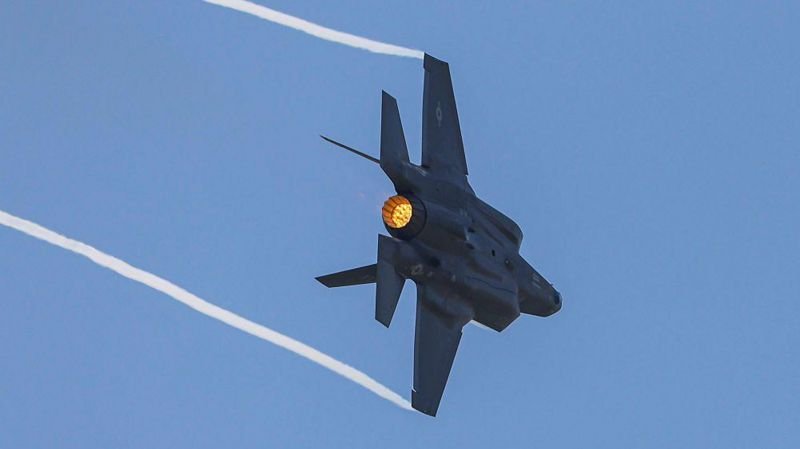
A recent Israeli airstrike in Deir al-Balah, located in central Gaza, resulted in the deaths of at least 18 people, including children and members of a Palestinian police unit responsible for distributing humanitarian aid. This incident, which occurred as civilians gathered to collect flour, marks another tragic episode in the growing humanitarian disaster unfolding in Gaza. The attack comes amid ongoing Israeli military operations and severe shortages of food and medical supplies due to a prolonged blockade.

I. Escalating Violence Amid Humanitarian Crisis
1. Strike on Aid Distribution Point
Medical officials reported that the Israeli strike targeted a distribution center operated by Sahm, a security unit formed by Gaza’s Hamas-led interior ministry. Sahm’s role is to prevent the illegal sale of humanitarian aid and to distribute confiscated goods fairly to civilians. On the day of the strike, civilians had gathered near the Baraka crossroads to receive flour when the explosion occurred. At least seven Sahm officers were killed, alongside a child and several civilians. Eyewitnesses described a horrific scene, with bodies torn apart and widespread injuries among those waiting for supplies.
2. Casualties and Firsthand Accounts
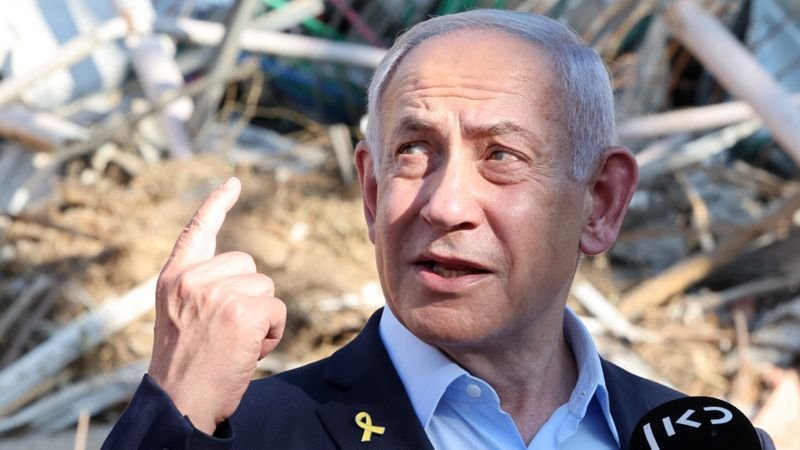
According to medical staff at al-Aqsa Martyrs Hospital, the victims included men, women, and children. Paramedic Razeq Abu Mandil recounted transporting multiple rounds of wounded and deceased individuals to the hospital. He described the situation as catastrophic, highlighting the gruesome injuries sustained by the victims. One injured civilian, Ahmed Abu Zubeida, shared his experience of being hit by shrapnel even though he was not close to the blast’s epicenter. He had traveled to the area hoping to buy affordable food, only to find himself amidst a blood-soaked disaster zone.
II. Struggle for Aid and Survival
1. Starvation Amid Blockade
Gaza has been facing a dire food shortage since Israel tightened its blockade earlier this year. The blockade, especially during March and April, severely limited the flow of essential goods, pushing the territory’s 2.3 million residents toward famine conditions. Though Israel partially eased the restrictions in recent weeks, the incoming aid has been woefully insufficient. The UN’s attempts to deliver supplies have been hampered by damaged infrastructure, bureaucratic restrictions, and security threats.
2. Chaos in Aid Distribution
Efforts to distribute aid have also been disrupted by widespread lawlessness. Armed gangs and desperate civilians have looted hundreds of aid trucks. In response to the chaos, the Sahm unit was created to intercept stolen goods and prevent black-market sales. Unfortunately, their involvement has made them a target for Israeli airstrikes, as seen in the Deir al-Balah incident.
3. UN and International Humanitarian Efforts
While the United Nations and other aid groups have worked tirelessly to deliver aid, they have faced accusations from Israel claiming that Hamas is misappropriating supplies to support its operations. These allegations have been firmly denied by the UN, which insists that its distribution channels are closely monitored. Nevertheless, these claims have complicated relief efforts and led to further restrictions.
III. Controversial Involvement of Private Contractors
1. U.S.-Backed GHF Aid Initiative
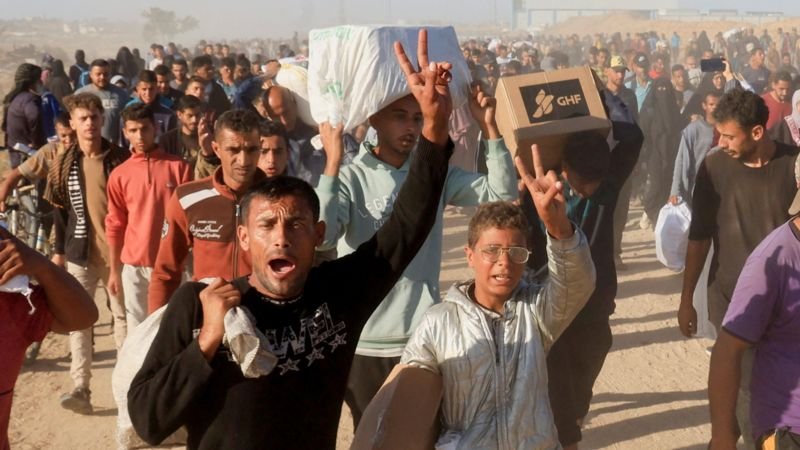
To address the mounting crisis, Israel has endorsed the Gaza Humanitarian Foundation (GHF), a U.S.-backed private contractor tasked with delivering aid. The GHF began operations last month and quickly drew massive crowds to its four distribution hubs. However, these locations are sporadically opened, often at night, requiring Palestinians to travel through dangerous areas littered with debris and active conflict zones.
2. Risks at GHF Aid Sites
Reaching GHF sites has proven perilous. Witnesses report that Israeli forces frequently fire upon aid seekers, using mortars, tanks, and machine guns. Health officials and independent NGOs have confirmed hundreds of casualties linked to these attacks. While the IDF claims to issue only warning shots at individuals perceived as threats, the number of fatal injuries tells a different story.
3. Inadequate Aid Flow
Despite GHF’s operations and limited UN aid deliveries, the total volume of assistance remains far below what is needed. On Monday and Tuesday, only around 70 aid trucks were allowed into Gaza. The World Health Organization managed to deliver its first medical supply convoy since early March, sending nine trucks to Nasser Hospital in southern Gaza. Still, humanitarian agencies describe these deliveries as severely inadequate to meet the population’s basic needs.
IV. Worsening Death Toll and International Response
1. Rising Civilian Casualties
In the twelve days that Israel was engaged in direct conflict with Iran, more than 800 Palestinians died in Gaza—many of them killed while trying to secure food. These deaths come amid a broader conflict that has now spanned over 20 months, claiming the lives of more than 56,000 Palestinians, most of whom were civilians. The situation remains volatile, with continued airstrikes and shelling exacerbating the humanitarian crisis.
2. Accusations of Genocide and War Crimes
International outrage has intensified, with Spain’s Prime Minister Pedro Sánchez becoming the highest-profile European leader to label Israel’s offensive in Gaza as a genocide. His remarks reflect growing concern among global leaders about the scale and nature of civilian deaths. Israel, however, has firmly rejected these accusations, asserting that such claims stem from anti-Israel sentiment and antisemitism. Israeli officials maintain that their military operations target Hamas infrastructure and not civilians.
3. Disrupted Access to Northern Gaza
The recent closure of border crossings into northern Gaza by Israel has further limited access to aid for some of the most severely affected areas. With no clear alternative routes and mounting restrictions, humanitarian agencies face increasingly insurmountable challenges in delivering aid. The blockade has intensified suffering, isolating communities and cutting them off from lifesaving resources.
Conclusion
The deadly airstrike in Deir al-Balah is just one example of the escalating crisis in Gaza, where a combination of military aggression, political conflict, and humanitarian collapse has led to unimaginable suffering. While aid organizations continue to battle against enormous odds to reach those in need, the sheer scale of the devastation, coupled with ongoing violence, has made effective relief efforts nearly impossible. As the death toll rises and civilians are left to fend for themselves in the ruins of their communities, urgent international action is needed—not only to address the humanitarian emergency but also to bring an end to the violence that fuels it.








