





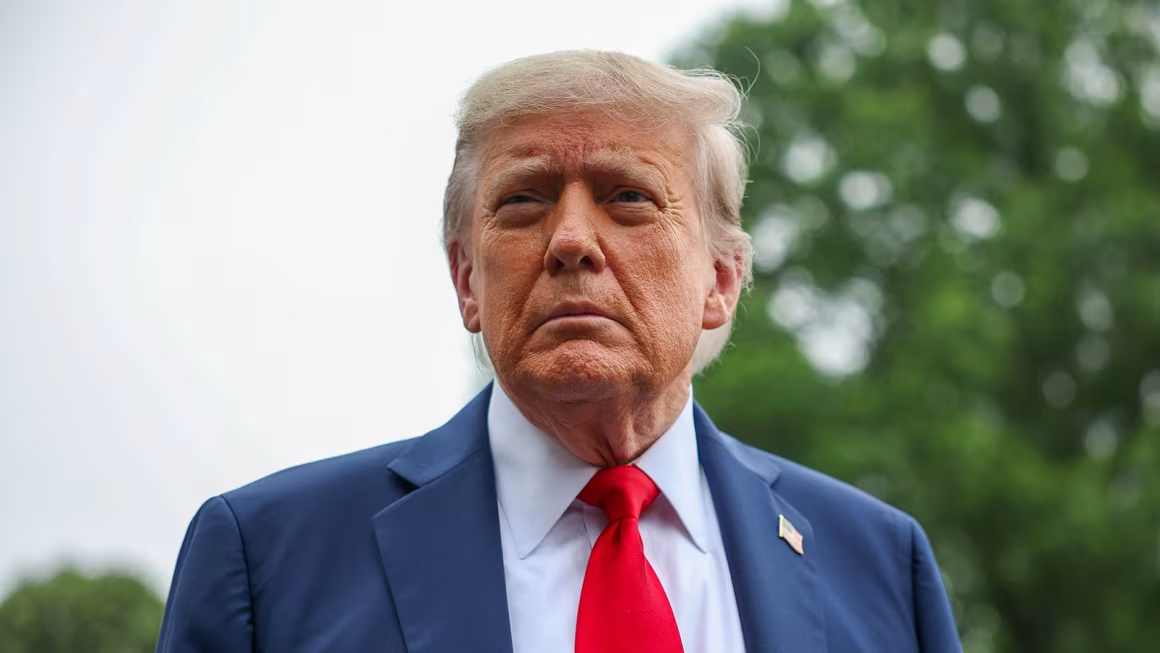


In a whirlwind sequence of events, the Middle East has teetered on the edge of all-out war before unexpectedly stepping back. Over the past several days, the region experienced a barrage of unprecedented military exchanges—first, a powerful U.S. airstrike on Iran using the most formidable non-nuclear weapons, followed by Iran’s retaliatory attack on a major American base in Qatar. Now, a fragile ceasefire, brokered with the involvement of multiple global actors, offers a glimmer of hope for de-escalation. Despite early signs of compliance, renewed missile activity and fiery rhetoric have left the truce on unstable ground, highlighting just how precarious peace in the region remains.

I. Ceasefire Agreement and Political Maneuvering
1. Trump Announces Ceasefire With Conditions
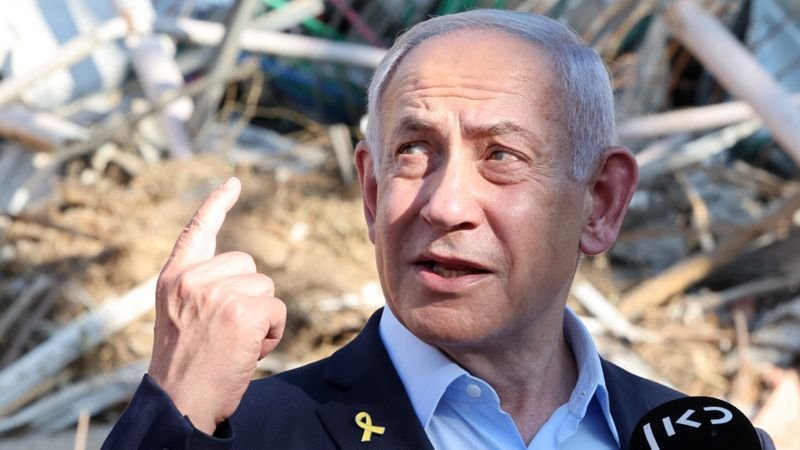
On Monday evening, U.S. President Donald Trump declared a “Complete and Total CEASEFIRE” between Iran and Israel. The terms of the agreement were phased: Iran would first halt its attacks, followed 12 hours later by Israel ceasing its operations. However, the exact implementation timeline was ambiguous. The negotiations involved a complex network of actors, including direct communication between Trump and Israeli Prime Minister Benjamin Netanyahu, and behind-the-scenes mediation by Vice President JD Vance, Secretary of State Marco Rubio, and special envoy Steve Witkoff.
2. Qatar’s Key Role in Negotiation
Qatari Prime Minister Sheikh Mohammed bin Abdulrahman bin Jassim Al-Thani played a pivotal role in securing Iran’s agreement to the ceasefire. According to sources, this enabled Trump to officially announce the truce. Iranian media, however, portrayed the U.S. president’s push for a ceasefire as desperate, especially following Iran’s powerful retaliatory strike on a U.S. airbase in Qatar.
II. Early Violations and Growing Tensions
1. Conflicting Claims Over Ceasefire Violations
Shortly after the ceasefire was set to take effect, Israeli officials accused Iran of launching missiles that resulted in the deaths of at least four civilians. Iran denied firing any rockets after the ceasefire began, insisting it had abided by the agreement. This dispute threw the fledgling truce into uncertainty, with both sides accusing the other of acting in bad faith.
2. Trump’s Frustration With Both Sides
President Trump responded to the developments with visible frustration, criticizing Iran and Israel alike. He voiced his anger most strongly toward Israel, accusing it of launching airstrikes immediately after the ceasefire was declared. As he left Washington for a NATO summit in the Netherlands, he posted on Truth Social: “ISRAEL. DO NOT DROP THOSE BOMBS. IF YOU DO IT IS A MAJOR VIOLATION. BRING YOUR PILOTS HOME, NOW!” Sources confirmed Trump spoke sternly to Netanyahu and persuaded Israel to pause further action following a retaliatory radar strike near Tehran.
III. Iran’s Strike on U.S. Base in Qatar
1. Targeting Al Udeid Air Base
Just hours before the ceasefire was announced, Iran launched a barrage of roughly a dozen ballistic missiles at Al Udeid Air Base in Qatar—the largest U.S. military installation in the Middle East. Fortunately, Iranian officials reportedly warned both the U.S. and Qatar in advance, enabling Patriot missile defense systems to intercept all but one missile. No casualties or injuries were reported.
2. Trump Thanks Iran for Advance Warning
In a surprising move, Trump acknowledged and appreciated Tehran’s forewarning. On social media, he thanked Iran for the heads-up, suggesting it prevented any loss of life. He noted optimistically that Iran had “gotten it all out of their system,” signaling hope that tensions might subside. Experts, however, interpreted Iran’s restrained retaliation as a calculated decision to avoid provoking an even harsher U.S. response, recognizing the power imbalance between the two nations.
IV. The Nuclear Conflict That Sparked It All
1. Israel’s Initial Offensive on Nuclear Facilities
The conflict was initially triggered by Israel’s airstrikes on Iran’s nuclear infrastructure, citing intelligence that Tehran was nearing the capability to build a nuclear weapon. These strikes began the night of June 12-13 and reportedly targeted key personnel and scientific sites.
2. U.S. Deployment of Massive Ordnance Penetrators
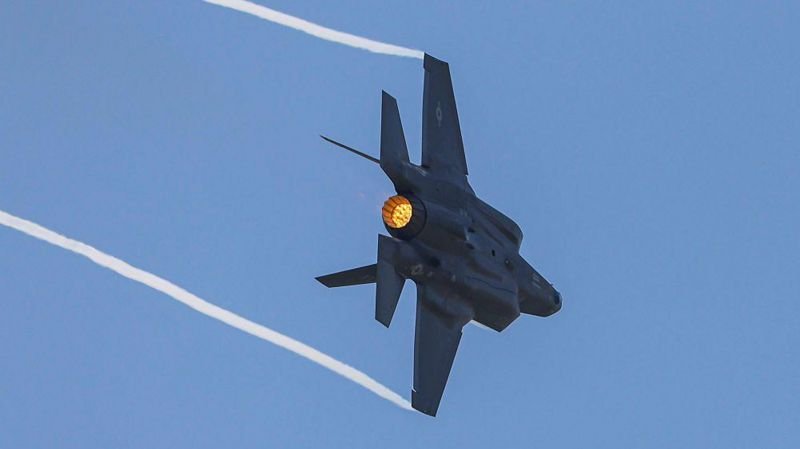
In response, the U.S. escalated the offensive. President Trump authorized the deployment of B-2 stealth bombers carrying 14 Massive Ordnance Penetrator bombs—the largest non-nuclear weapons in the American arsenal—to attack deeply buried nuclear facilities in Iran. It marked the first time these weapons had been used in active combat.
3. Differing Assessments of the Strike’s Impact
While Trump administration officials claimed the strikes had significantly delayed Iran’s nuclear ambitions by several years, independent experts were less convinced. Analysts pointed out that Iran’s stores of enriched uranium may have survived the assault, and the country might still be capable of producing a nuclear weapon within months. Iran’s atomic energy chief later stated that contingency plans had ensured uninterrupted progress in the country’s nuclear program.
V. Gaza’s Continued Suffering Amid Broader Conflict
1. Humanitarian Crisis Intensifies
Even as the focus shifted to Iran and Israel, the situation in Gaza deteriorated further. Since Hamas militants crossed into Israel in October 2023, sparking a massive Israeli military response, over 55,000 Palestinians have been killed. The strip lies in ruins, and its 2.1 million residents now face extreme shortages of food and medical supplies, prompting warnings from the World Health Organization about imminent famine.
2. Civilians Killed Amid Aid Scramble
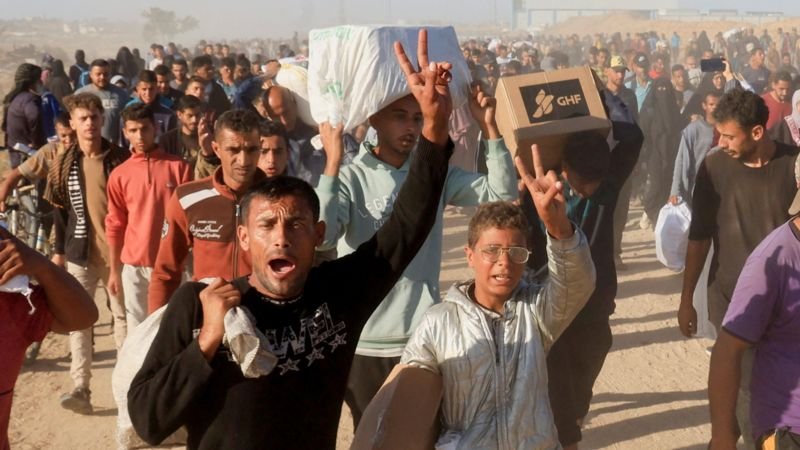
As global attention zeroed in on the Iran-Israel conflict, dozens more Palestinians died trying to obtain limited food aid in Gaza. At least 21 civilians were reportedly killed within a single day as Israeli forces continued operations in the area. Humanitarian groups condemned the conditions, calling for urgent international intervention.
3. Growing Calls to Expand the Ceasefire
A prominent advocacy group for Israeli hostages urged the government to extend the ceasefire with Iran to include Gaza. “Those who can achieve a ceasefire with Iran can also end the war in Gaza,” stated the Hostages and Missing Families Forum. Israeli opposition leader Yair Lapid echoed the call, pressing for negotiations that would return hostages and end the war. “And now Gaza,” Lapid posted. “This is the moment to close that front as well.”
VI. Prospects for Negotiation and Peace
1. Ongoing Indirect Talks
Qatar announced Tuesday that it hopes to facilitate indirect discussions between Israel and Hamas in the coming days. The Qatari prime minister revealed that both Qatar and Egypt are working to broker an agreement. A U.S.-supported proposal currently on the table includes a 60-day ceasefire in Gaza and the release of 10 Israeli hostages, along with the remains of 18 others killed in the October 7 attacks.
2. Hamas Position on the Deal
Although Hamas has not rejected the ceasefire proposal outright, it has requested stronger guarantees to ensure a full end to hostilities. As diplomatic efforts intensify, the world waits to see whether negotiations can yield tangible relief for Gaza’s civilians and a path toward broader regional peace.
Conclusion
The past two weeks have brought the Middle East dangerously close to a large-scale regional war. From Israel’s strikes on Iran’s nuclear infrastructure to Iran’s bold missile retaliation and the subsequent U.S.-brokered ceasefire, the rapid escalation and partial de-escalation have left the world on edge. While the truce between Iran and Israel represents a vital step back from conflict, its fragility is evident. Meanwhile, the humanitarian tragedy in Gaza continues to unfold, demanding urgent global attention. Whether these parallel crises lead to a broader peace or spiral into renewed violence now hinges on the resolve of international diplomacy and the willingness of regional players to compromise.








