




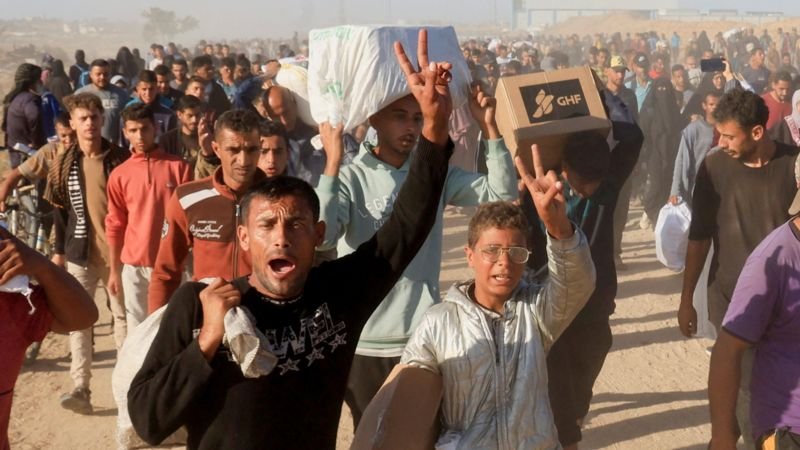


A growing number of humanitarian organizations are calling for the shutdown of the Gaza Humanitarian Foundation (GHF), a controversial aid delivery system in the Gaza Strip supported by the United States and Israel. According to a joint statement released by more than 170 global charities, including Save the Children and Oxfam, over 500 Palestinians have died while trying to receive food since the program began in late May. As criticism intensifies, aid groups argue that the GHF’s operations are not only ineffective but also dangerous, forcing civilians into life-threatening situations in militarized zones to access essential food supplies.


I. Mounting Casualties at Aid Distribution Points
1. Over 500 Dead While Seeking Aid
Since its launch in late May, the GHF has become a flashpoint of controversy. According to figures provided by the Hamas-run health ministry, at least 583 Palestinians have lost their lives while attempting to obtain food assistance—408 of whom died in the vicinity of GHF distribution centers. These numbers are corroborated by reports from local medics and eyewitnesses who describe routine gunfire around aid sites.
2. Aid Sites Replacing Existing Distribution Network
Previously, around 400 distribution points operated under the UN and other aid groups during a temporary ceasefire between Israel and Hamas. However, the GHF has since replaced them with just four large-scale centers positioned within Israeli-controlled, militarized zones. These facilities are managed by U.S. private contractors, and reaching them requires civilians to navigate through rubble and conflict areas—posing extreme risk to life.
II. Humanitarian Community Responds with Outrage
1. NGOs Call for Immediate Shutdown of GHF
In a powerful joint declaration, more than 170 humanitarian organizations asserted that the GHF model violates fundamental humanitarian principles. They allege that the system coerces over two million Gazans into making perilous journeys through unsafe territories, often under gunfire, in hopes of obtaining food.
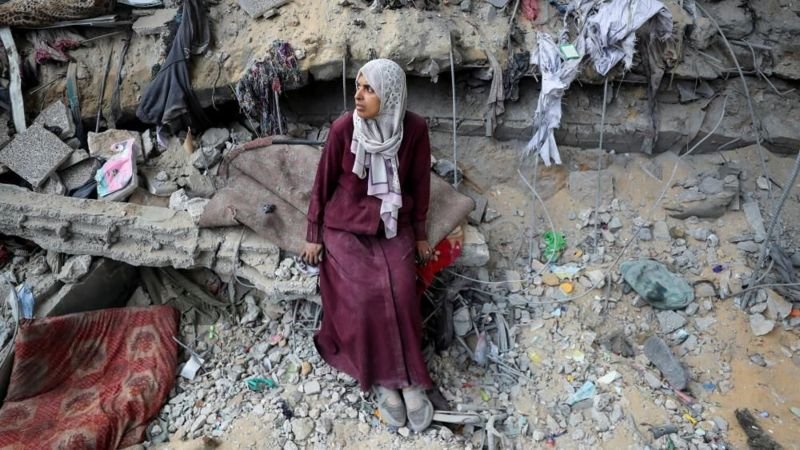
“Palestinians in Gaza face an impossible decision: risk death or let their families starve,” the statement said. Aid agencies also reported that children, orphans, and caregivers are frequently among the dead and injured during these distributions.
2. UN Labels GHF System “Inherently Unsafe”
United Nations Secretary-General António Guterres has joined the chorus of concern, labeling the aid system “inherently unsafe” and stating bluntly: “It is killing people.” The UN opposed the plan from its inception, arguing that it bypasses existing distribution systems and needlessly endangers civilians by forcing them to travel through dangerous areas.
III. GHF Defends Its Model Amid Allegations
1. Claims of High Volume Aid Delivery
Despite the criticism, the GHF maintains that it has delivered more than 52 million meals in a five-week span, far surpassing what it claims other agencies have managed under current conditions. A spokesperson for the GHF defended the foundation’s work, accusing other humanitarian groups of clinging to outdated, ineffective systems and failing to adapt to the urgent realities on the ground.
“We are not chasing headlines,” the spokesperson said. “We are putting food into the hands of families, every single day.”
2. Rebuttal of Incident Reports and Accountability
Responding to media allegations and eyewitness reports of violence at its sites, the GHF stated that no incidents or fatalities have occurred directly at its distribution points. The foundation also claimed that many NGOs have refused offers of collaboration to improve delivery logistics.
In addition, the Israeli military, which oversees the zones where GHF operates, announced measures to improve safety. These include new fencing, warning signs, and directional indicators to better control the flow of people near the aid centers. The IDF emphasized that any force used near the sites was intended only to protect soldiers from perceived threats.
IV. Disputed Military Practices and Civilian Harm
1. Haaretz Report Sparks Further Controversy
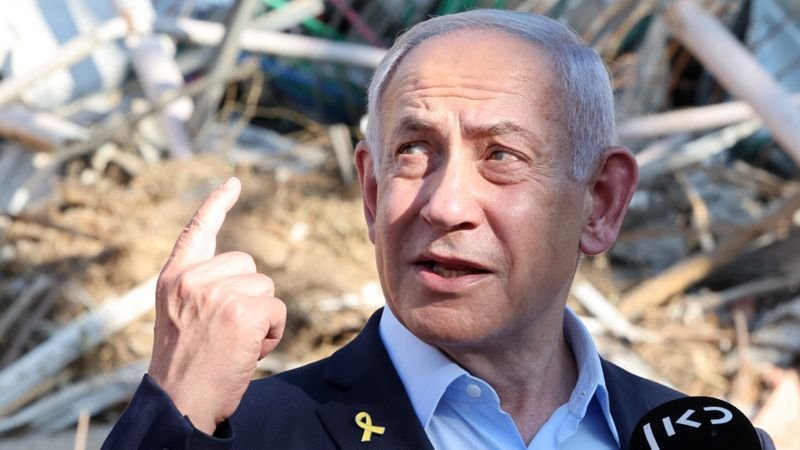
An explosive report by Israeli newspaper Haaretz alleged that some IDF soldiers were instructed to shoot at unarmed civilians near GHF aid sites to disperse crowds. While the Israeli military strongly denied this, Prime Minister Benjamin Netanyahu dismissed the story as a “malicious falsehood,” further polarizing public opinion.
Nonetheless, these claims have intensified scrutiny. Civil society organizations assert that such behavior reflects broader issues of impunity and a disregard for international humanitarian norms.
2. Hunger and Desperation Among Civilians
Multiple NGOs have raised alarm over deteriorating conditions in Gaza. They note that as famine-like conditions worsen, many people are becoming too physically weak to compete for rations. “Many families tell us they no longer have the strength to reach or wait at distribution points,” the joint NGO statement emphasized.
Even as humanitarian groups attempt to maintain operations under dire circumstances, they claim that GHF’s model contributes more to chaos than relief. The system, they argue, cannot be categorized as humanitarian aid when it exposes people to such grave risk.
V. Context of the Gaza Crisis
1. Background of the Current Conflict
The GHF system was introduced following the partial easing of an 11-week total blockade by Israel, which began after Hamas launched a major assault on 7 October 2023. That attack left approximately 1,200 people dead and 251 taken hostage. Israel responded with a prolonged military campaign in Gaza, leading to immense devastation and a humanitarian disaster.
2. Soaring Death Toll and Infrastructure Collapse
According to the Gaza health ministry, more than 56,647 Palestinians have died since the beginning of Israel’s retaliatory offensive. The sustained violence has obliterated much of the region’s infrastructure, making it nearly impossible to deliver aid through conventional channels. Hospitals, roads, and aid warehouses have been repeatedly targeted or caught in the crossfire, leaving civilians with few options for survival.
Conclusion
The unfolding humanitarian crisis in Gaza has ignited a fierce debate over how aid should be delivered in conflict zones. While the GHF claims operational success in distributing food under challenging conditions, a coalition of more than 170 humanitarian organizations asserts that the model is fundamentally flawed and dangerous. As the death toll among aid-seekers continues to climb, pressure is mounting on both Israel and its allies to reconsider the existing aid framework. The international community now faces a pivotal question: can humanitarian goals be achieved without compromising human safety and dignity?