




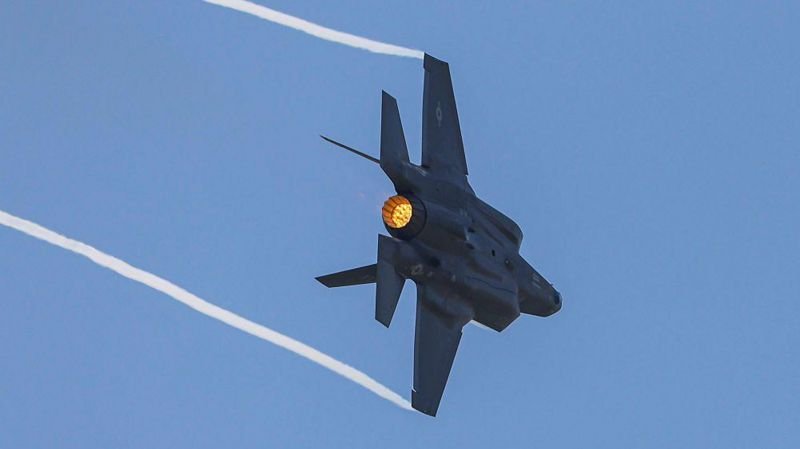


The UK’s High Court has dismissed a legal challenge aimed at halting the transfer of British-made components used in U.S.-manufactured F-35 fighter jets that are accessible to Israel. Human rights groups had hoped the ruling would prevent potential complicity in violations of international law during Israel’s ongoing military operations in Gaza. However, the judges concluded that the court had no constitutional authority to intervene in such a politically sensitive issue, stating that such matters fall under the jurisdiction of the government, not the judiciary. This decision has prompted sharp criticism from global human rights organizations who argue that the UK is failing in its international obligations.


I. The Legal Challenge and the Court’s Rationale
1. High Court Declines to Block F-35 Parts Transfer
Campaigners, including the Global Legal Action Network and the West Bank-based group Al-Haq, brought the case against the UK’s Department for Business and Trade. They argued that British-made parts could be used in breaches of international law by Israel in Gaza. The case specifically targeted the UK’s participation in the multinational F-35 fighter jet program, in which the UK supplies about 15% of each aircraft’s components.
However, the court made it clear that the issue at hand was not whether the UK should export weapons to Israel—that decision had already been partially addressed by the government through the suspension of 30 export licenses last September. Rather, the court was asked to decide whether the UK must exit a global defense initiative due to the risk that UK-made parts might be misused.
2. Constitutional Limits Cited in the Ruling
The judges emphasized that decisions involving sensitive diplomatic and defense collaborations fall under the purview of elected government officials, not the courts. “Under our constitution, that acutely sensitive and political issue is a matter for the executive which is democratically accountable to parliament and ultimately to the electorate, not for the courts,” they stated in their ruling.
Business Minister Jonathan Reynolds, the ruling noted, faced a stark choice: accept an exemption for Israel within the F-35 program or withdraw from the collaboration altogether, risking both diplomatic fallout and national defense repercussions. The court ultimately sided with the government’s assessment that such a withdrawal could harm its relationship with the U.S. and NATO allies.
II. Human Rights Concerns and Public Reaction
1. Rights Groups Condemn the Verdict
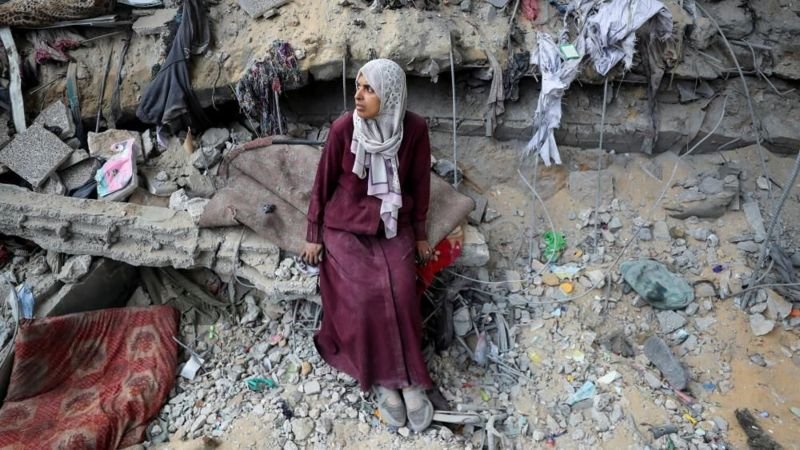
The decision was met with fierce criticism from Amnesty International, Human Rights Watch, Oxfam, and other advocacy organizations. Sacha Deshmukh, chief executive of Amnesty International UK, argued that the court’s ruling does nothing to change the dire situation in Gaza. “Entire families obliterated, civilians killed in so-called safe zones, hospitals reduced to rubble, and a population driven into starvation,” he said. “This judgment does not absolve the UK of its responsibilities under international law.”
Yasmine Ahmed, the UK director of Human Rights Watch, voiced similar concerns. “What we’re seeing in Gaza is happening precisely because governments think the rules don’t apply to them. Judicial deference in this case has denied Palestinians any protection under international law,” she stated.
2. Oxfam Labels the Government’s Stance “Unconscionable”
Oxfam, which submitted evidence to the court, strongly criticized the UK’s continued involvement in supplying F-35 components. “It is unconscionable that the government would continue to license the sale of parts for F-35 jets knowing that they are being used to deliberately attack civilians in Gaza and destroy essential infrastructure,” the charity stated. The sentiment was echoed across the human rights community, which believes the UK has an ethical obligation to reconsider its defense exports in light of the humanitarian crisis.
III. UK’s Defense Position and International Implications
1. Government Justifies Continued Involvement
The UK government defended its position, arguing that withdrawing from the F-35 program would not only damage defense ties with the U.S. but also risk broader consequences for NATO cohesion. The UK contributes critical components to the aircraft, making up a significant share of its construction. Ending that participation would not only disrupt the production chain but potentially undermine international security cooperation.
A government spokesperson maintained that all defense export licenses remain under active review and that the court had upheld the “thorough and lawful” nature of the government’s decision-making process.
2. Broader Diplomatic Consequences Considered
The court acknowledged that the implications of an F-35 program withdrawal extended beyond moral considerations, citing potential diplomatic fallout with key allies. These considerations were a central part of the government’s argument, underscoring the strategic importance of maintaining international defense partnerships, even amid serious human rights concerns.
Still, campaigners argue that strategic alliances should not come at the expense of international law. The balance between upholding ethical standards and securing national interests continues to be a source of tension within the UK’s foreign policy framework.
IV. Gaza Crisis and the Call for Accountability
1. Mounting Civilian Death Toll in Gaza
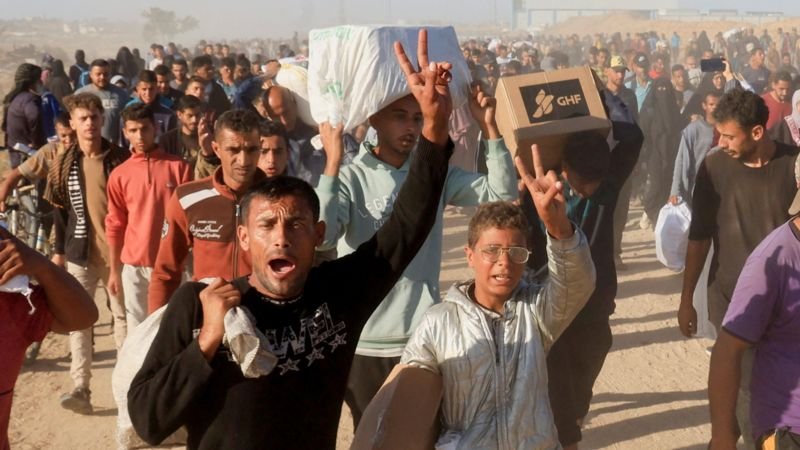
The ruling arrives as conditions in Gaza worsen. Over 56,000 people have been killed since the conflict reignited, with many more displaced or facing famine conditions due to blockades and infrastructure destruction. Human rights groups insist that the UK, along with other Western nations supplying arms, must consider the direct consequences of their exports on civilians in conflict zones.
2. Increasing Global Scrutiny
Global observers have begun to scrutinize arms-exporting nations more closely, particularly those involved in conflicts with high civilian casualties. The perception that Western governments are enabling or ignoring alleged war crimes has prompted calls for stronger oversight and legal accountability.
The rejection of this legal challenge may set a precedent, making it more difficult for advocacy groups to challenge government arms deals, even when there’s a risk of complicity in potential violations of international humanitarian law.
Conclusion
The UK High Court’s decision to reject a legal challenge against the export of F-35 fighter jet parts has stirred significant controversy among human rights organizations. While the court emphasized its lack of jurisdiction over such politically sensitive decisions, critics argue that the government’s continued participation in the program raises profound ethical questions. As Gaza endures catastrophic losses and infrastructure collapse, the role of international arms suppliers—including the UK—comes under increased scrutiny. Human rights advocates warn that without greater accountability, such rulings risk emboldening future violations of international law. Lawyers involved in the case are now considering options for appeal, signaling that this debate is far from over.