







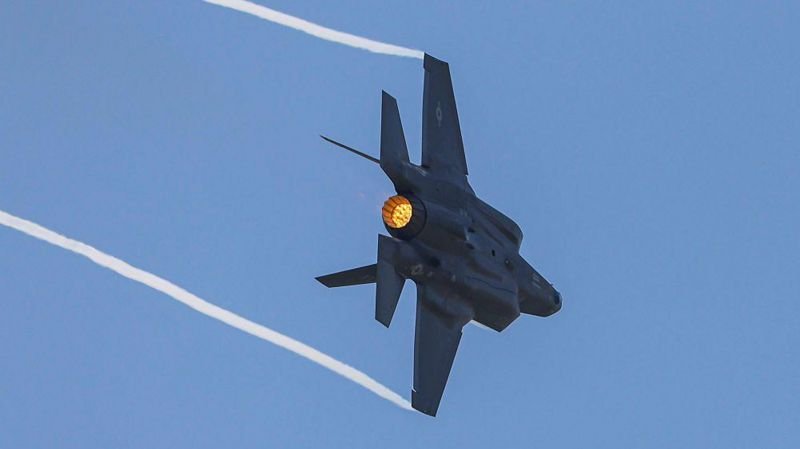
Gaza has once again been plunged into devastation as Israeli airstrikes claimed the lives of at least 81 Palestinians and injured over 400 others within a single day, according to the Hamas-run health ministry. Several of the strikes targeted areas sheltering displaced civilians, including children, sparking widespread outrage and renewed calls for a ceasefire. As negotiations stall and violence persists, the region continues to suffer from a deepening humanitarian crisis, with growing pressure from international mediators and the public to bring an end to the prolonged bloodshed.
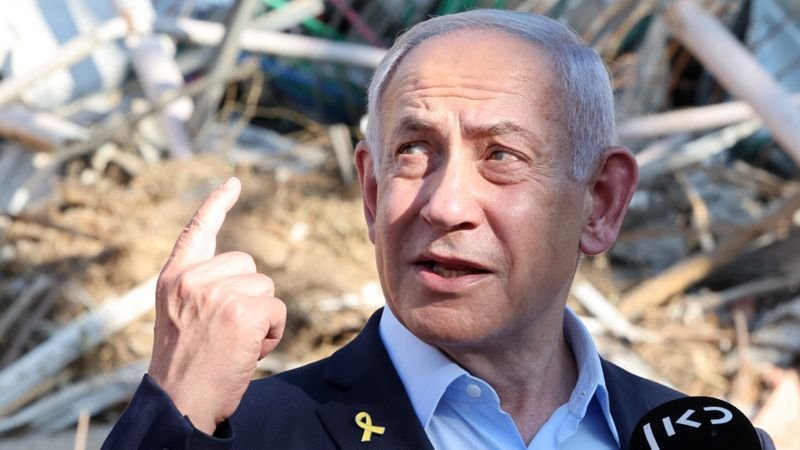

I. Heavy Casualties Amid Ongoing Strikes
1. Strikes Near Gaza City Stadium Kill Civilians
One of the most deadly incidents occurred near the Palestine Stadium in Gaza City, where at least 11 people, including children, were killed. The stadium area had been turned into a makeshift refuge for displaced individuals living in tents. Witnesses and medical personnel reported that the strike caused tents to collapse under sand and debris, leaving residents scrambling to locate survivors and retrieve bodies. Verified video footage shows people digging with bare hands and basic tools in a desperate attempt to rescue the trapped.
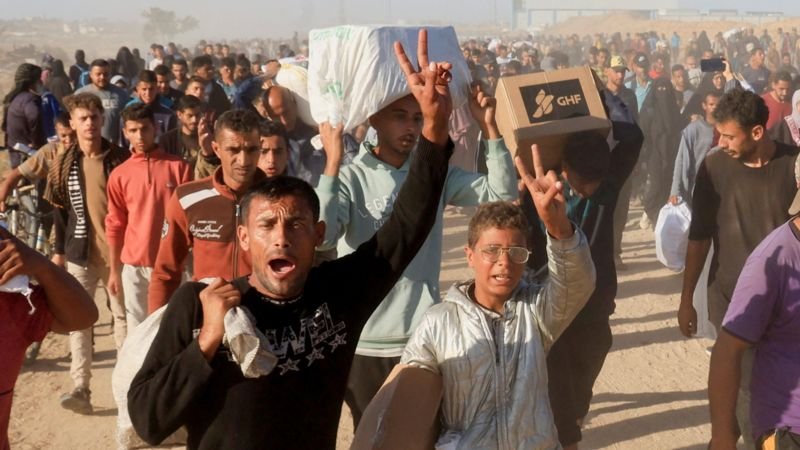
The Israeli military claimed to be unaware of any civilian casualties from the strike, stating only that it had targeted a “suspicious individual” who allegedly posed a threat to Israeli forces.
2. More Deaths in Al-Mawasi and Tuffah Neighborhoods
Additional fatalities were reported in the al-Mawasi region, where a strike on a residential apartment and nearby tents resulted in the deaths of at least 14 individuals, including children. Relatives told news agencies that three children and their parents were killed in their sleep. The children’s grandmother, Suad Abu Teima, questioned the rationale behind such strikes, asking, “What did these children do to them?”
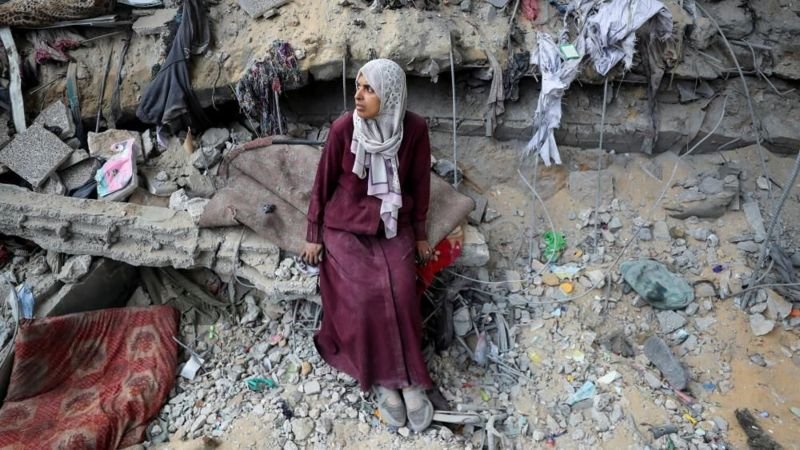
Later the same day, another airstrike hit the Tuffah neighborhood near Jaffa School, where many displaced Palestinians had taken shelter. At least eight people died, five of them children. One witness, Mohammed Haboub, recounted losing several family members, including his father and nephews, in the explosion. “We are civilians. We didn’t do anything to them,” he said in a statement to Reuters.
II. Humanitarian Challenges and Civilian Suffering
1. Emergency Services Overwhelmed
The Palestinian health ministry reported that ambulance and civil defense teams struggled to reach victims due to destroyed roads and inaccessible areas. The scale of destruction has made it nearly impossible for emergency crews to respond swiftly, leaving many injured individuals trapped under rubble for extended periods.
2. Shelter Sites No Longer Safe
Shelters that were thought to offer protection have become targets, with displaced families now finding themselves in increasingly dangerous situations. With makeshift camps being hit, civilians are running out of places to seek refuge. Many of those killed in recent strikes had moved multiple times, attempting to escape the violence, only to be caught again in the crossfire.
III. Ceasefire Prospects and Political Dynamics
1. Trump Expresses Optimism for Truce
U.S. President Donald Trump voiced hope that a new ceasefire agreement could be reached within the coming week. His optimism comes in the wake of a fragile truce between Israel and Iran that ended a recent 12-day military conflict. International mediators, including Qatar, believe American diplomatic pressure could help facilitate an agreement between Israel and Hamas.
2. Past Ceasefire Collapse and New Negotiations
A previous two-month ceasefire, initiated on January 19, collapsed in March when Israel resumed strikes on Gaza. That agreement was structured in three phases, but did not advance past the first. The second phase was to include the return of remaining Israeli hostages in exchange for Palestinian prisoners and the withdrawal of Israeli forces from Gaza—none of which came to pass.
This week, a senior Hamas official told the BBC that while mediators have ramped up efforts to negotiate a new truce and hostage deal, talks remain at a stalemate. Despite international calls for progress, the situation on the ground continues to deteriorate.
3. Growing Public Pressure for Peace
On Saturday evening, a rally took place in Tel Aviv, with participants urging the Israeli government to secure the release of hostages and end the war. The organizers insisted that “the time has come to end the fighting and bring everyone home in one phase.” The rally underscored growing domestic discontent with the prolonged conflict and rising death toll.
IV. Israeli Military Response and Strategic Claims
1. IDF Confirms Targeted Killing of Hamas Leader
The Israel Defense Forces (IDF) issued a statement confirming the death of Hakham Muhammad Issa al-Issa, a senior Hamas military commander, in a Friday airstrike in Gaza City’s Sabra district. The IDF identified him as a founding member of Hamas’s military wing and a key figure in planning the October 7, 2023, attack that triggered the ongoing war.
2. Israel Justifies Continued Operations
In response to questions about the recent strike on Tuffah neighborhood, the IDF reiterated that it had targeted an individual deemed a threat and claimed efforts had been made to minimize civilian harm. Nevertheless, independent reports and on-the-ground accounts contradict this statement, pointing to widespread casualties among non-combatants.
V. The Scale of the Human Cost
1. Rising Death Toll in Gaza
According to the Hamas-run health ministry in Gaza, more than 56,000 people have been killed since the war began. The conflict erupted following the October 2023 Hamas incursion into southern Israel, in which 1,200 people were killed and 251 others were taken hostage. Since then, Israeli retaliation has included widespread air and ground operations that have devastated large parts of Gaza.
2. Civilian Population in Crisis
The sheer number of casualties, particularly among children and families, reflects the disproportionate impact the war has had on the civilian population. Entire neighborhoods have been flattened, and access to food, water, and medical care remains critically limited. International organizations continue to warn of an escalating humanitarian catastrophe unless immediate steps are taken to end hostilities and provide aid.
Conclusion
The latest wave of Israeli airstrikes in Gaza, resulting in dozens of civilian deaths including many children, underscores the urgent need for a renewed ceasefire and a comprehensive political solution. As mediation efforts struggle to gain traction and military actions continue, both sides remain locked in a cycle of violence that has claimed tens of thousands of lives. International pressure is mounting, but without tangible progress at the negotiating table, Gaza’s humanitarian disaster will only worsen. The call for peace is growing louder, both within Israel and globally—yet whether leaders will listen remains to be seen.








