







U.S. President Donald Trump has declared that Israel has agreed to the fundamental terms necessary to finalize a proposed 60-day ceasefire in Gaza. This announcement, made via his social media platform Truth Social, signals a potential shift in the months-long conflict. Trump stated that during the ceasefire period, Washington would collaborate with all involved parties to work toward ending the war. Although Israel has yet to formally confirm its agreement, Trump’s message hints at growing momentum for a truce, contingent on cooperation from Hamas and the resolution of several contentious demands.

I. Diplomatic Moves Toward a Temporary Truce
1. Trump’s Ceasefire Statement and Regional Mediators
Trump credited Qatar and Egypt for their instrumental roles in drafting and presenting the final ceasefire proposal, urging Hamas to accept the terms. He warned that rejecting the offer would only lead to further deterioration of conditions in Gaza. While the exact details of the deal remain undisclosed, the language of the announcement suggested a strong U.S. push for resolution.
2. Israel’s Unconfirmed Position and Public Sentiment
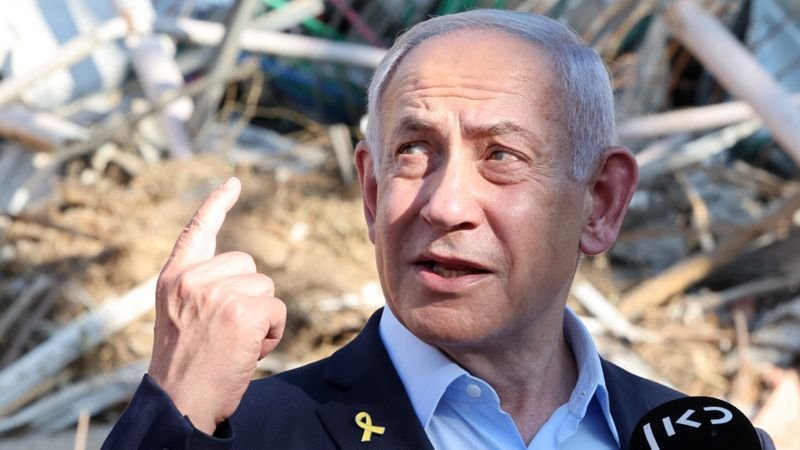
Though the Israeli government has not officially endorsed the proposed agreement, Foreign Minister Gideon Sa’ar indicated widespread governmental support for a deal that could secure the release of Israeli hostages. Recent polls suggest a significant portion of the Israeli public favors ending the war, even as distrust in Prime Minister Benjamin Netanyahu remains high. According to a survey by the Israel Democracy Institute, most Israelis question Netanyahu’s motives and leadership amid the ongoing conflict.
II. Hamas’s Stance and Negotiation Conditions
1. Hamas Open to Ending the War
Hamas has expressed a willingness to accept a ceasefire if it ensures a definitive end to hostilities. Taher al-Nunu, a Hamas spokesperson, emphasized the group’s readiness to agree to any proposal that clearly guarantees the war’s termination. This position highlights Hamas’s insistence on long-term assurances, beyond temporary pauses in fighting.
2. Hostage Release and Military Withdrawal
For Hamas, any viable ceasefire must include provisions for a partial Israeli military withdrawal from Gaza, at least during the truce. In turn, Israel views the release of the remaining hostages—estimated at around 50 individuals, with at least 20 believed to be alive—as non-negotiable. Public demonstrations in Israel have frequently centered around the return of these hostages, amplifying the pressure on both governments to reach a deal.
III. International and Domestic Pressures on Israel
1. Netanyahu’s Political Crossroads
Trump’s ceasefire announcement precedes a scheduled meeting with Netanyahu next week. The U.S. President has promised to adopt a “firm” tone during the discussions, expressing optimism that the Israeli leader wants to end the conflict. However, Netanyahu has repeatedly asserted that he will not halt military operations until Hamas is “fully dismantled”—a stance that could undermine diplomatic progress if maintained.
2. Fallout from the Previous Ceasefire Failure
In March, a previous truce collapsed after Israel resumed airstrikes on Gaza, citing Hamas’s preparation for renewed attacks. That deal, originally launched on 19 January, was intended to unfold in three phases but failed to advance beyond the initial stage. The proposed next steps had included a permanent ceasefire, the release of all living hostages in exchange for Palestinian prisoners, and a full Israeli troop withdrawal.
IV. The Humanitarian Crisis Complicating Negotiations
1. Mounting Civilian Deaths and Aid Access Issues
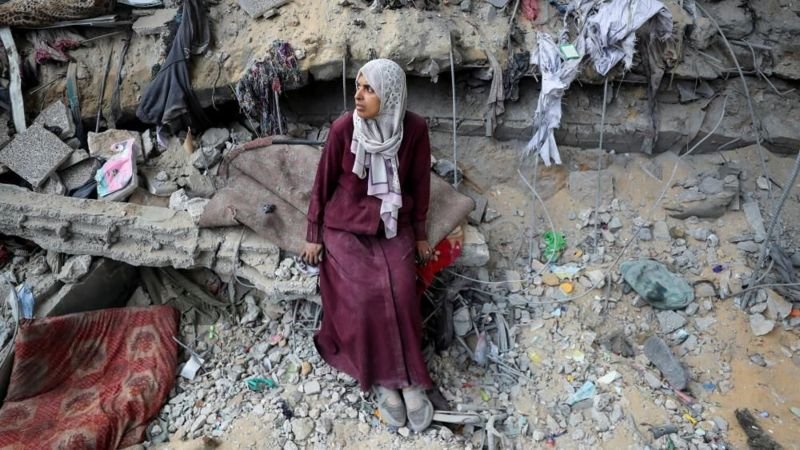
While ceasefire talks continue, the situation in Gaza remains dire. On Monday, at least 20 Palestinians were killed in an Israeli airstrike on a seaside café in Gaza City. The overall death toll in the enclave since the war began now exceeds 56,647, according to figures from the Hamas-run health ministry. Reports of civilian casualties during aid distribution have further intensified global scrutiny.
2. Controversy Over the Gaza Humanitarian Foundation
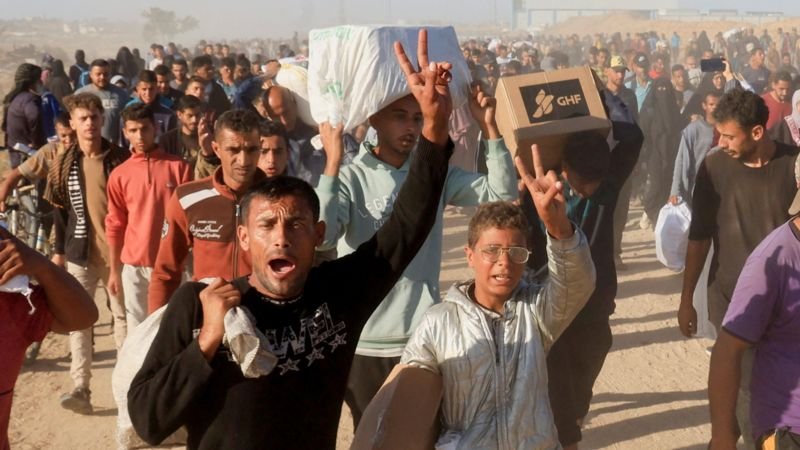
The Gaza Humanitarian Foundation (GHF), a U.S. and Israeli-backed aid initiative, has also drawn widespread criticism. Over 170 NGOs, including Oxfam and Save the Children, have called for its closure. According to Gaza’s health ministry, more than 400 people have died trying to access food at GHF-operated sites. Israel denies deliberately targeting civilians, maintaining that the foundation is necessary to prevent Hamas from diverting humanitarian supplies.
V. Obstacles to a Final Agreement
1. Stalled Negotiations and Hamas Concerns
Though international mediators have increased pressure on both sides, negotiations remain stuck. Hamas fears that even if it agrees to a ceasefire and releases hostages, Israel may resume its military campaign without implementing long-term peace measures. This skepticism underscores the difficulty in building mutual trust after months of intense warfare and failed diplomacy.
2. Aid Delivery and Ceasefire Logistics
Another issue that must be resolved before any agreement is signed—possibly during Netanyahu’s visit to Washington—is the resumption of full-scale UN-backed aid deliveries. The international community is likely to demand that food and medical assistance reach civilians in Gaza safely and without political interference. Ensuring access to aid may become a central pillar of the new ceasefire structure.
Conclusion
While President Trump’s announcement represents a glimmer of hope in the long-running Gaza conflict, multiple challenges remain. For a 60-day ceasefire to succeed, both Israel and Hamas must make difficult concessions, including agreements on hostages, military withdrawals, and the delivery of humanitarian aid. As pressure mounts from international mediators and domestic populations alike, the coming week—especially Netanyahu’s upcoming trip to Washington—could prove critical. Whether this is a true path to peace or just another failed attempt will depend largely on the willingness of both parties to compromise in the face of mounting civilian suffering and international condemnation.








