





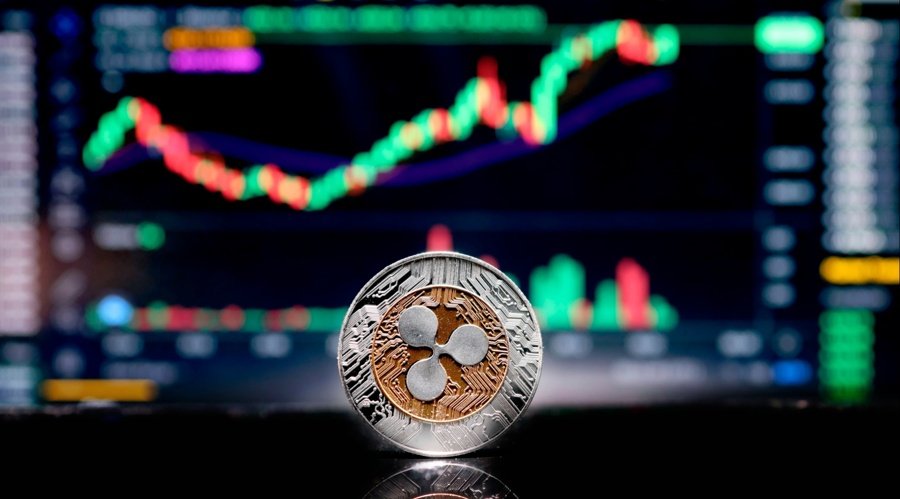


XRP, currently trading around the $2 mark, remains a topic of intense speculation in the crypto community. Despite its modest price, there is growing optimism that XRP could eventually climb to $10. While such a surge won’t happen overnight, recent developments suggest this ambitious target isn’t entirely out of reach. With the resolution of regulatory challenges, the emergence of new financial products, and a favorable market outlook, XRP might be gearing up for a long-term rally. Let’s explore the major catalysts and obstacles that will shape XRP’s path toward $10.


I. Factors Supporting XRP’s Growth Potential
1. Regulatory Clarity Could Unlock New Opportunities
One of the most significant turning points for XRP was the conclusion of its legal battle with the U.S. Securities and Exchange Commission (SEC). Since December 2020, this lawsuit cast a long shadow over Ripple—the company behind XRP—and its native token. However, under the current U.S. administration, the regulatory environment has become more crypto-tolerant.
By the end of June, both Ripple and the SEC agreed to halt any further appeals, effectively bringing the case to a close. While Ripple will still pay a financial penalty, the end of the legal conflict means the company can now operate without regulatory uncertainties clouding its future. CEO Brad Garlinghouse emphasized that this legal resolution allows Ripple to return to regular business activities, restoring investor confidence and laying the groundwork for XRP’s growth.
2. Spot XRP ETFs May Attract Mainstream Investment
Another promising development made possible by regulatory clarity is the anticipated launch of spot XRP exchange-traded funds (ETFs). These investment vehicles would allow traditional investors to gain exposure to XRP through regulated markets, without needing to directly buy and manage crypto wallets.

Current forecasts suggest that spot XRP ETFs could debut in Q4 of this year. According to online prediction platforms, there is a 78% likelihood that the SEC will approve these products within the year. Should that happen, it could drive a significant influx of institutional and retail capital into XRP, much like the impact that spot Bitcoin ETFs had on Bitcoin prices.
II. Innovations Fueling Ripple’s Core Business and Beyond
1. Ripple’s Push into Stablecoins and Emerging Financial Products
Ripple’s long-term growth will also depend on how it expands its business model beyond cross-border payments. The launch of Ripple USD (RLUSD), a stablecoin pegged 1:1 to the U.S. dollar, is a strategic step in this direction. Released in December, RLUSD is already facilitating smoother fund transfers across Ripple’s blockchain.
In just over six months, this new stablecoin reached a market valuation of $450 million. Its success signals a strong demand for blockchain-based dollar equivalents and positions Ripple to compete more directly with other stablecoin issuers. By encouraging broader adoption of Ripple’s infrastructure, RLUSD could indirectly drive up the demand for XRP itself.
2. Growth in Cross-Border Transactions and Fintech Adoption
Ripple has long positioned itself as a faster, cheaper alternative to traditional banking systems for international payments. With its XRP-powered network, the company can offer near-instant settlements across borders—a feature highly appealing to financial institutions and remittance providers.
As more banks and fintech firms adopt Ripple’s infrastructure, transaction volumes are likely to increase. If adoption continues to accelerate globally, this could help create sustained demand for XRP, thus supporting upward price momentum.
III. Challenges That Could Delay XRP’s Rise
1. Rising Competition from Traditional Finance and Crypto Rivals
While Ripple continues to innovate, it’s not the only player targeting cross-border transactions. In fact, traditional financial institutions are entering the blockchain space with their own solutions. JPMorgan Chase, in collaboration with Coinbase, recently introduced JPMD—a token with functionality similar to XRP.
Operating on Coinbase’s Base blockchain, JPMD is being developed for cross-border use cases. Described by CNBC as a “stablecoin-like token,” it essentially mirrors what XRP was designed to do. If JPMorgan and Coinbase successfully roll out this product at scale, Ripple may struggle to maintain its competitive edge in the institutional market.
2. Limited Short-Term Price Momentum
XRP’s current price behavior suggests a degree of stagnation. After soaring to $3.40 earlier in the year—an increase of nearly 600% following the U.S. election—the token has since retreated to around $2. This inability to establish a new bullish trend has tempered some investor enthusiasm.
Still, predictive models estimate that XRP has an 18% chance of reaching $4 and a 20% chance of climbing to $5 by the end of this year. While far from guaranteed, these odds offer a glimmer of hope that a significant rally could occur—potentially laying the foundation for a future run toward $10.
IV. What Needs to Happen for XRP to Hit $10
1. Sustained Institutional Support and Market Adoption
For XRP to hit the $10 milestone, it must gain broader institutional acceptance. The anticipated spot ETFs will help in this regard, but long-term success hinges on financial institutions using Ripple’s blockchain for real-world applications. From cross-border banking to supply chain financing, the more practical use cases XRP can support, the better its long-term outlook.
2. Expansion into High-Growth Sectors
Ripple must also continue to push into areas beyond its traditional remittance business. Stablecoins, decentralized finance (DeFi), and tokenized assets all offer opportunities for Ripple to expand its ecosystem. As new use cases for XRP emerge in these sectors, demand for the token could rise significantly.
3. Overcoming Competitive Pressure
Finally, XRP must prove it can withstand increasing competition. Whether it’s from centralized banks entering the blockchain race or decentralized platforms offering rival services, XRP’s future will depend on maintaining its technological edge and strong developer community.
Conclusion
While XRP is still hovering around $2, its journey toward $10 remains plausible—albeit complex. With regulatory uncertainty now largely resolved and exciting financial innovations on the horizon, XRP is in a better position than ever to attract serious investment. However, the token must still overcome fierce competition and prove it can establish sustained momentum in a volatile market.
The next six to twelve months will be critical in determining XRP’s trajectory. If it can break out of its current price range and attract major institutional backing, a path to $10 becomes more than just a dream—it becomes a long-term possibility worth watching closely.








