





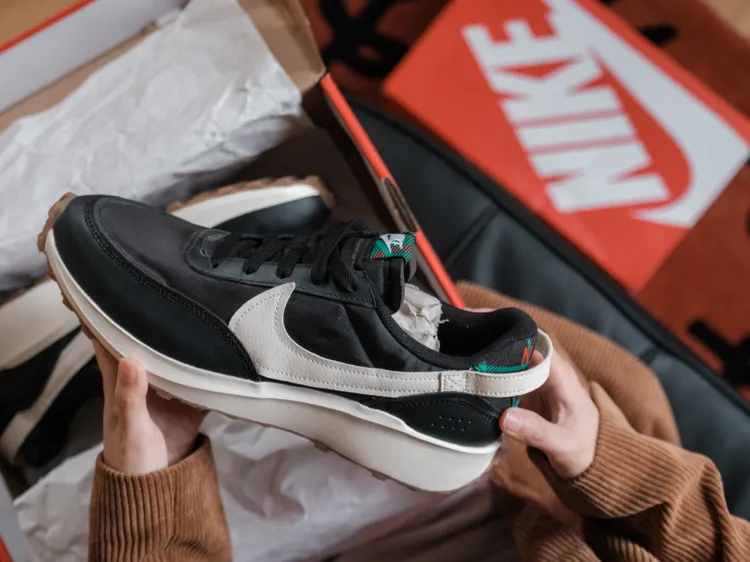


Retail and consumer goods companies with significant manufacturing operations in Vietnam saw their stock prices climb on Wednesday, following President Donald Trump’s announcement of a new trade agreement with the Southeast Asian nation. The deal, which reduces the risk of harsher tariffs, particularly benefits major brands like Nike, Wayfair, and Under Armour—many of which rely heavily on Vietnamese factories for shoes, apparel, and home furnishings. Investors welcomed the development, triggering notable gains across the retail sector.


I. Trade Deal Drives Up Retail Shares
1. Nike and Footwear Companies Rally
Nike (NKE) experienced a 4% jump in its stock price after the announcement. The company’s latest annual report revealed that half of its shoe production and nearly 28% of its apparel come from Vietnam, making it highly vulnerable to tariff changes. The trade agreement reassured investors about Nike’s cost structure and supply chain stability, fueling the upward momentum. Shares of On Holding (ONON), another brand with manufacturing roots in Vietnam, rose nearly 3%, signaling broad market relief.

2. Apparel Brands Also Benefit
Other apparel-focused retailers such as Under Armour (UA) and Abercrombie & Fitch (ANF) each recorded approximately 2% gains in their stock values. The news eased investor concerns about potential disruptions or cost hikes associated with sourcing goods from Vietnam, a country that supplies close to 20% of U.S. apparel imports and more than one-third of its footwear imports, according to Morgan Stanley.
II. Furniture Retailers See Strong Upside
1. Wayfair Leads the Pack
Among home furnishings retailers, Wayfair (W) emerged as one of the biggest beneficiaries, with its shares climbing more than 8%. Vietnam is the company’s second-largest source of inventory, meaning any increase in import tariffs could have significantly impacted its profitability. The new agreement lessens that threat and restores investor confidence in the company’s supply chain model.

2. RH, Lovesac Join the Rally
RH (formerly Restoration Hardware), for which Vietnam is the largest inventory supplier, saw its stock increase by over 3%. Meanwhile, rival Lovesac (LOVE) posted a 4% gain. These jumps suggest that investors are bullish on the long-term stability and lower-than-expected import costs for companies reliant on Vietnamese manufacturing.
III. Key Details of the U.S.-Vietnam Trade Agreement
1. Tariffs Reduced From Potential Maximum
The White House had previously set a July 9 deadline to reach trade agreements with various countries, including Vietnam. Without a deal, Vietnamese goods would have faced a steep 46% tariff. However, under the new agreement, Vietnam will impose a 20% export tariff on goods sent directly to the U.S. and a 40% tariff on items that are first imported from other countries into Vietnam before being exported to the U.S. This compromise was seen as favorable compared to the originally proposed rate, sparking immediate investor enthusiasm.
2. Avoiding Supply Chain Disruption
This agreement helps ensure continuity for a wide range of U.S. companies that depend on Vietnamese manufacturing. In recent years, Vietnam has become an essential hub in global supply chains due to its cost competitiveness and skilled labor force. By preventing a massive tariff spike, the U.S.-Vietnam deal allows businesses to maintain predictable costs and avoid the complex task of relocating production elsewhere.
IV. Broader Implications for Global Trade
1. Vietnam’s Strategic Trade Role
Vietnam has become a linchpin in U.S. import strategies, particularly in the wake of the China-U.S. trade tensions. As companies look to diversify their supply chains, Vietnam has grown into a preferred alternative, offering relatively low labor costs and favorable trade terms. This new agreement further solidifies Vietnam’s role as a key player in global commerce, especially for sectors like fashion, footwear, and furniture.
2. Market Signals and Investor Confidence
The stock market response underscores the importance of political stability and trade clarity for investor sentiment. Wednesday’s gains indicate that Wall Street closely monitors policy developments, particularly those that impact supply chains and import costs. The agreement not only buoyed specific stocks but also sent a reassuring signal to broader retail and consumer markets that were bracing for potential disruptions.
Conclusion
President Trump’s announcement of a trade deal with Vietnam has provided much-needed relief to retailers and manufacturers with production ties to the country. By averting steeper tariffs, the agreement has helped safeguard supply chains and stabilize import costs, allowing companies like Nike, Wayfair, and RH to breathe a sigh of relief. Investor response was swift and positive, as shares of these firms surged on news that the looming tariff hike would be significantly moderated. With Vietnam now more securely positioned as a critical partner in U.S. trade, businesses and markets alike can refocus on growth amid a more predictable global trade environment.








