




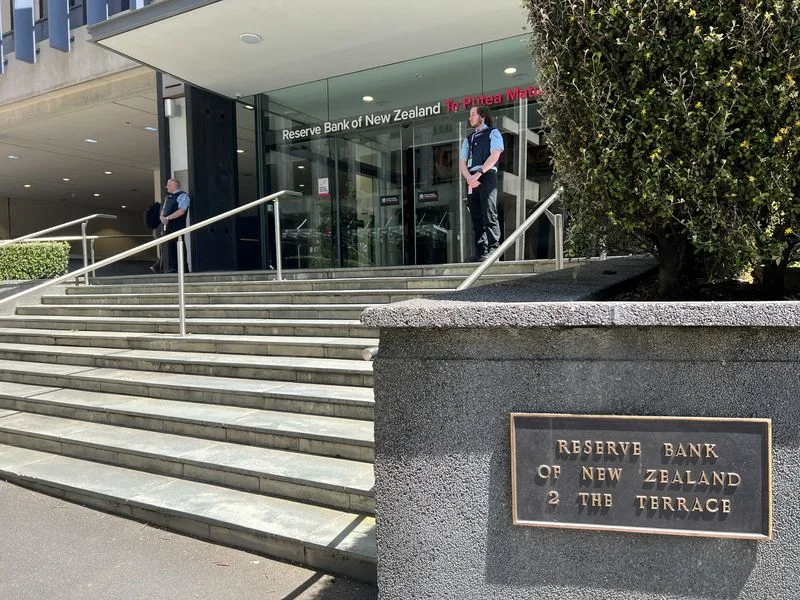


Grant Spencer, former Acting Governor of the Reserve Bank of New Zealand (RBNZ), has been appointed to the central bank’s board for a five-year term. With a robust background in monetary policy and financial stability, Spencer’s return comes at a pivotal moment as the institution undergoes leadership changes following Adrian Orr’s unexpected resignation.


I. Grant Spencer Joins RBNZ Board
1. Appointment Confirmed by Finance Minister
Grant Spencer, who previously held several top roles within the Reserve Bank of New Zealand (RBNZ), has been appointed to the central bank’s board for a five-year term, starting July 1. The announcement came from Finance Minister Nicola Willis, who emphasized Spencer’s deep expertise in central banking and economic governance.

2. A Veteran of Monetary Policy and Stability
Spencer’s track record includes a decade-long tenure as deputy governor and head of the RBNZ’s financial stability committee between 2007 and 2017. He also served as acting governor of the RBNZ from 2017 to 2018. According to Willis, Spencer’s experience in monetary policy and financial stability makes him well-positioned to contribute to the bank’s strategic direction during this critical phase.
II. Leadership Shifts Within RBNZ
1. Search Continues for Permanent Governor
Spencer’s appointment comes during a period of transition for the RBNZ, following the unexpected resignation of former Governor Adrian Orr in March. The current centre-right National Party-led government is still working to identify a permanent successor, with economic leadership being a focal point of policy reform under its administration.

2. Temporary Leadership in Place
In the interim, Christian Hawkesby has stepped in as acting governor. His term was formalized in April, giving him a six-month mandate to lead the central bank. Hawkesby, who previously served as RBNZ’s Deputy Governor, is seen as a steady hand while the search for a long-term appointee continues.
3. Political Criticism of Orr’s Tenure
Finance Minister Willis, who was a vocal critic of Adrian Orr during her time in opposition, had previously blamed the former governor for contributing to New Zealand’s post-pandemic economic struggles. She cited rising inflation and the resulting high interest rates—developments that eventually led the country into recession—as missteps in monetary management under Orr’s leadership.
III. Broader Implications of Spencer’s Appointment
1. Reinforcing Policy Expertise at Board Level
Spencer’s inclusion on the board is widely seen as an effort to strengthen the central bank’s internal governance during a time of fiscal tightening and economic uncertainty. With his background in financial oversight, he is expected to play a vital advisory role in shaping both monetary policy and the central bank’s response to ongoing global and domestic challenges.
2. A Sign of Continuity and Stability
His appointment may also offer a degree of continuity amid change. Having previously led the bank during another leadership transition in 2017–2018, Spencer brings both historical insight and a steadying influence. His knowledge of past economic cycles and regulatory frameworks could prove invaluable as the RBNZ navigates interest rate policies and inflation control in the current environment.
3. Strengthening the Board’s Composition
In addition to Spencer, Minister Willis also confirmed the reappointment of Byron Pepper to the RBNZ board for another five-year term. Pepper’s continued presence, combined with Spencer’s return, reinforces a sense of institutional memory and technical know-how within the bank’s leadership structure.
Conclusion
The appointment of Grant Spencer to the RBNZ board signals a strategic move by the government to fortify the central bank’s leadership during a delicate period of economic recovery and reform. As the search for a permanent governor continues, Spencer’s background in financial stability and central banking is expected to provide crucial support to the board and interim leadership. Alongside the reappointment of Byron Pepper, the RBNZ appears focused on ensuring both continuity and capability as it confronts the challenges ahead.