






Britain Resumes Diplomatic Ties with Syria: A Strategic Shift Toward Stability in the Middle East


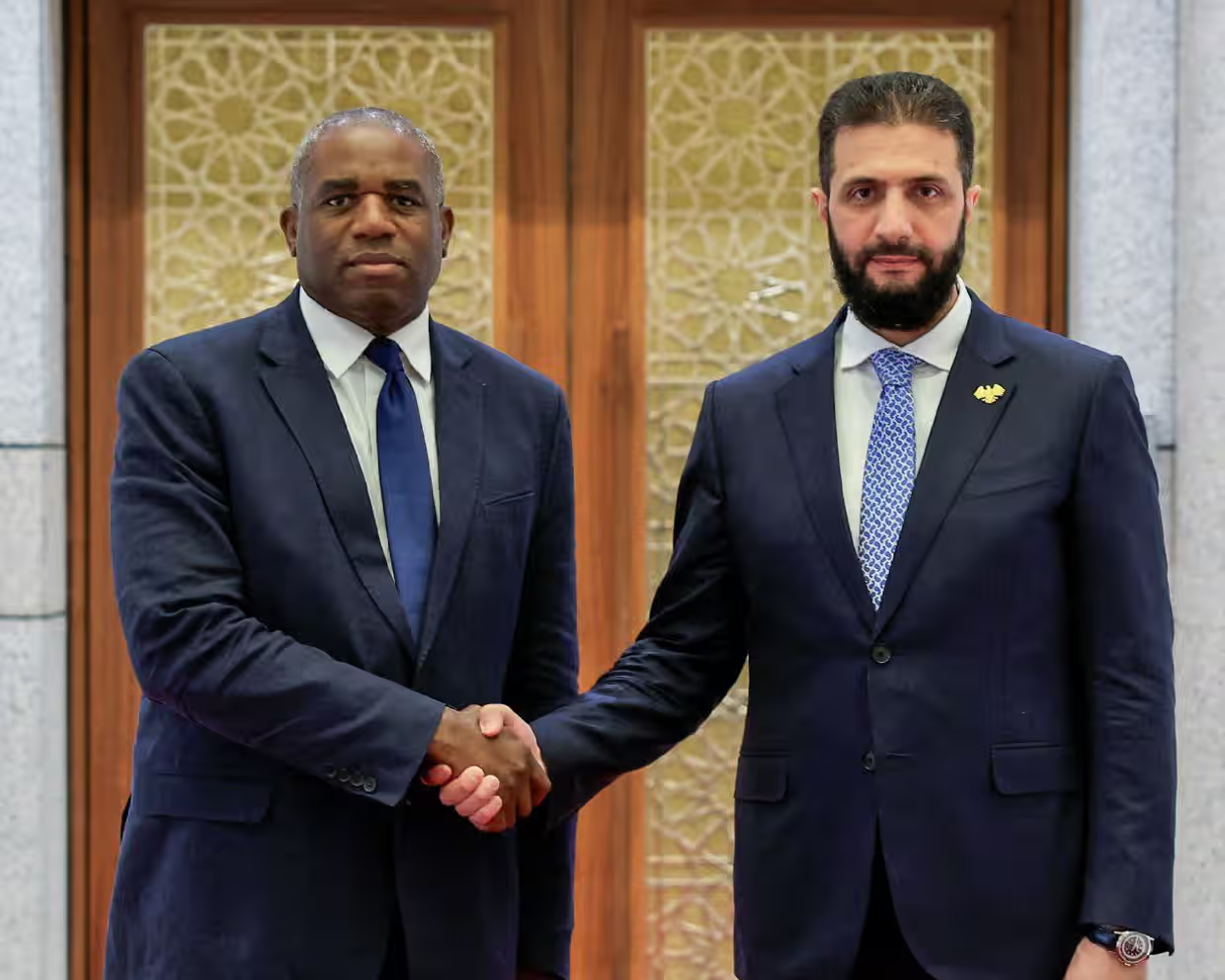
After more than a decade of severed ties and civil conflict, Britain has taken a pivotal step in renewing diplomatic relations with Syria. Foreign Secretary David Lammy announced the move during a landmark visit to Damascus—marking the first official British ministerial visit in 14 years. His visit signals a broader shift in Western engagement with Syria following major political changes in the country.

I. Britain’s Reengagement with Post-War Syria
1. A Historic Visit After Years of Silence
David Lammy’s visit to Damascus symbolizes a major shift in British foreign policy towards Syria. Speaking during his visit, Lammy emphasized that there is a “renewed hope for the Syrian people,” highlighting Britain’s willingness to engage with the newly formed Syrian government in a constructive way. His comments reflect a growing recognition that diplomatic isolation is no longer a viable strategy, especially as Syria attempts to move forward after years of devastating civil war.
This visit also carries symbolic weight—it’s the first of its kind since the outbreak of the Syrian conflict. The re-engagement suggests that the UK is prepared to support Syria’s political recovery and contribute to its stabilization, as long as the country upholds its commitments to build a more secure and inclusive society.

2. Humanitarian and Economic Support
Alongside this diplomatic thaw, Britain pledged £94.5 million to support both immediate humanitarian needs and Syria’s long-term reconstruction. The financial package is also intended to assist neighboring countries currently hosting large numbers of Syrian refugees. By allocating such substantial aid, the UK aims to facilitate a more stable and prosperous regional environment.
This funding demonstrates Britain’s dual approach: addressing short-term crises while promoting long-term stability. It also underscores the humanitarian dimension of the UK’s foreign policy, recognizing the enormous suffering endured by Syrians over the past decade.
II. A Broader Western Reset Toward Syria
1. Fall of Assad and Shifting Power Dynamics
Western governments have started rethinking their approach to Syria after the ousting of Bashar al-Assad by Islamist rebel forces, particularly Hayat Tahrir al-Sham. Assad’s removal in December ended his 13-year rule, dramatically altering the political landscape in Syria. This turning point has created new diplomatic opportunities for the West to re-engage with the country.
With Assad no longer in power, many nations, including Britain and the United States, see a renewed chance to influence Syria’s political and social reconstruction. The collapse of the Assad regime has removed a significant barrier to diplomatic engagement for many Western powers.
2. U.S. and UK Sanctions Policy Revisions
Just days before Lammy’s visit, U.S. President Donald Trump signed an executive order effectively ending a major sanctions program targeting Syria. This decision reopens the door for Syria’s participation in international financial systems and gives a critical boost to its post-war recovery.
Similarly, Britain relaxed its own sanctions earlier this year. In April, it lifted asset freezes on the Syrian central bank and 23 other entities, including oil and banking institutions. However, sanctions directed at individuals associated with the former Assad regime remain in place. These policy changes are intended to encourage economic recovery and stimulate investment in a country that has suffered extensive war-related damage.
3. Promoting Migration Control and Regional Security
Lammy emphasized the broader strategic benefits of a stable Syria. He noted that rebuilding the country would help mitigate irregular migration into Europe, ensure the destruction of chemical weapons stockpiles, and reduce the threat posed by terrorist organizations operating in the region.
The foreign secretary also held discussions with Syrian officials, including President Ahmed al-Sharaa and Foreign Minister Asaad Hassan al-Shaibani. These talks focused on supporting an inclusive political process and ensuring that Syria’s transition to a more representative government remains on track.
III. Expanding Diplomatic Engagement Beyond Syria
1. Strengthening Ties with Kuwait
Following his visit to Syria, Lammy is scheduled to travel to Kuwait, another key player in regional politics. The trip is expected to focus on regional security and enhancing bilateral relations. Kuwait’s strategic location and role in Gulf diplomacy make it a vital partner for the UK’s broader Middle East strategy.
This leg of the visit underscores the UK’s intent to maintain a proactive presence in the region, ensuring its interests are aligned with local efforts toward peace and cooperation.
2. Aiding Sudan Through Gulf Cooperation
During his time in Kuwait, Lammy is also expected to unveil a new partnership aimed at addressing the escalating humanitarian crisis in Sudan. By working alongside Gulf allies, Britain aims to coordinate a more robust international response to the crisis, demonstrating its commitment to humanitarian leadership in the region.
The new initiative is part of a broader UK foreign policy trend of leveraging Gulf partnerships to address interconnected regional challenges—from Syria’s recovery to Sudan’s instability.
Conclusion
Britain’s renewed diplomatic engagement with Syria represents more than just a shift in bilateral relations—it reflects a calculated effort to stabilize the region, support humanitarian recovery, and adapt to new political realities. With Syria’s leadership transformed and Western sanctions easing, opportunities have emerged for constructive international involvement.
Through financial aid, diplomatic visits, and strategic partnerships, the UK is positioning itself as a key player in shaping the post-war future of Syria and the wider Middle East. David Lammy’s visit may well mark the beginning of a new era of engagement, one grounded in pragmatism, cooperation, and a vision for long-term regional peace.