





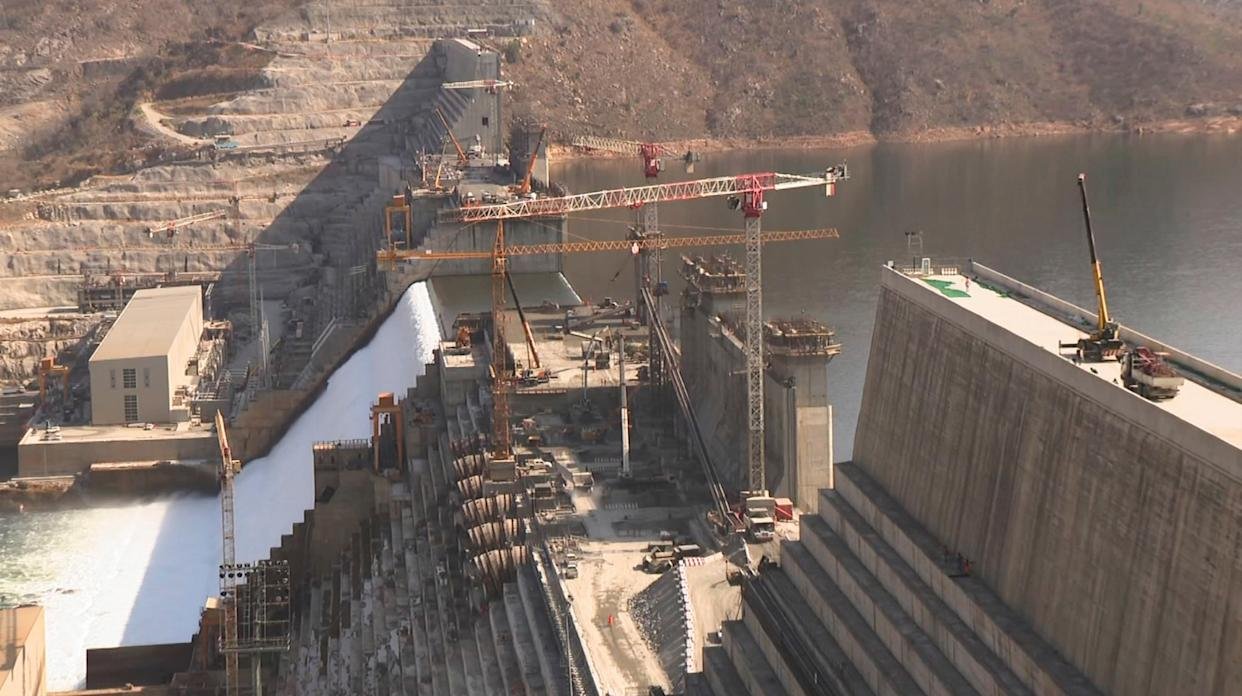
Egypt has once again criticized Ethiopia for what it describes as a persistent unwillingness to reach a binding agreement regarding the Grand Ethiopian Renaissance Dam (GERD), a massive hydroelectric project on the Nile River. The issue has sparked long-standing tensions between Ethiopia, Egypt, and Sudan over water access and resource management. On Thursday, Ethiopia announced the completion of the dam, with a formal inauguration planned for September—a move Egypt condemned as a violation of international law and an attempt to dominate control over Nile waters.


I. Ethiopia Announces Dam Completion Amid Dispute
1. Grand Ethiopian Renaissance Dam Nears Inauguration
Ethiopian Prime Minister Abiy Ahmed revealed on Thursday that the GERD, which has been under construction since 2011, is now finished and is set to be officially inaugurated in September. Located on the Blue Nile near Sudan’s border, the dam began generating electricity in 2022 and is projected to deliver over 6,000 megawatts—doubling Ethiopia’s current power capacity.


2. Egypt’s Long-Standing Opposition Over Water Access
Egypt has consistently opposed the project, arguing that the dam threatens its share of the Nile’s water—an essential resource that sustains agriculture and provides for its population of more than 100 million. Egyptian officials insist that Ethiopia’s unilateral completion of the dam, without a comprehensive agreement, poses a serious risk to regional stability and violates international norms governing shared water resources.

II. Negotiation Stalemate and Rising Tensions
1. Thirteen Years of Unresolved Talks
Despite over a decade of negotiations, Ethiopia and Egypt have failed to reach a formal deal on how the dam will be managed, particularly in times of drought. The impasse has at times led to heightened diplomatic friction, with concerns that unresolved disputes might provoke broader conflict in the region.
2. Egypt Denounces Ethiopia’s Unilateralism
In a statement released Friday, Egypt’s Ministry of Water Resources and Irrigation denounced Ethiopia’s actions as “unlawful,” accusing Addis Ababa of attempting to assert water dominance rather than seeking equitable cooperation. The ministry rejected Ethiopia’s ongoing approach of unilateral decision-making, labeling it a clear breach of its obligations concerning international river systems.

3. Ethiopia Calls for Shared Prosperity
Addressing the Ethiopian parliament, Prime Minister Abiy stated that his government is committed to ensuring the dam benefits all regional partners. He emphasized that Ethiopia supports mutual growth and envisions shared use of the Nile’s waters. However, Egyptian officials dismissed these remarks as insincere, viewing them as a strategic move to bolster Ethiopia’s global image rather than reflecting a genuine desire to negotiate in good faith.
III. Egypt’s Response and Future Strategy
1. Enhancing Domestic Water Management
In light of the ongoing stalemate, Egypt is taking steps to reduce its dependence on Nile waters. The Ministry of Water Resources noted that the country is expanding its wastewater treatment capacity and improving irrigation methods to increase efficiency and resilience in the agricultural sector.
2. Deepening Regional Cooperation
At the same time, Egypt is strengthening alliances with other Nile Basin countries by investing in joint development initiatives and water-related projects. These efforts are part of Cairo’s broader strategy to counterbalance Ethiopia’s influence and promote a collaborative approach to managing the river’s resources.
Conclusion
Ethiopia’s announcement of the completion of the GERD marks a significant milestone in a decade-long conflict over Nile River access. While Prime Minister Abiy Ahmed framed the development as a step toward regional cooperation, Egypt strongly condemned the move, arguing it defies international standards and threatens the equitable use of a vital shared waterway. With negotiations stalled and unilateral actions continuing, Egypt is now focused on enhancing internal water systems and building regional partnerships to safeguard its national interests.








