





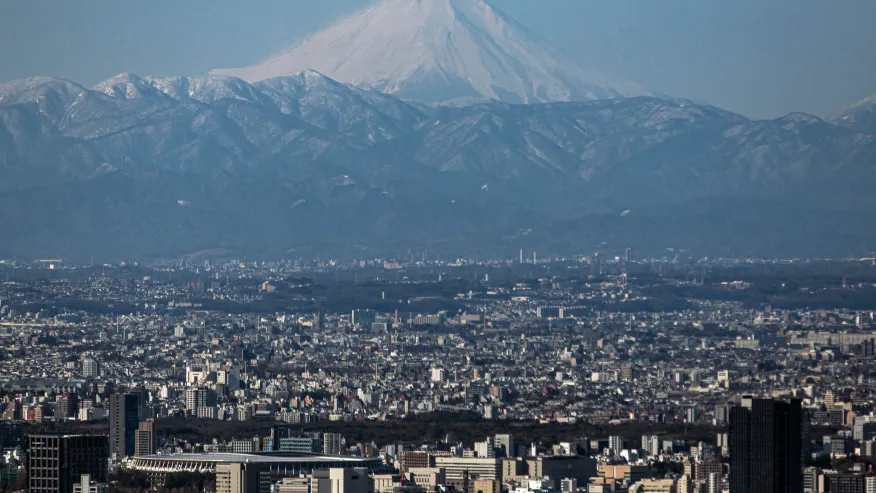
Airlines in Japan are facing a surge of cancellations tied to an old manga that has resurfaced in public consciousness due to a doomsday prediction. The book, titled “Watashi ga Mita Mirai” or “The Future I Saw,” was published in 1999 by artist Ryo Tatsuki and is based on her detailed records of prophetic dreams. With one entry pointing to a disaster set for July 5, 2025, travelers are reportedly adjusting plans—despite authorities dismissing the claims.


I. A Manga Rooted in Dreams
1. Tatsuki’s Early Premonitions
Ryo Tatsuki began documenting her dreams in the early 1990s, claiming to foresee tragic events. In one instance, she dreamed of a charismatic figure’s death shortly before Freddie Mercury passed in 1991—an event skeptics say was likely coincidental.


2. Dreams that Mirrored Disasters
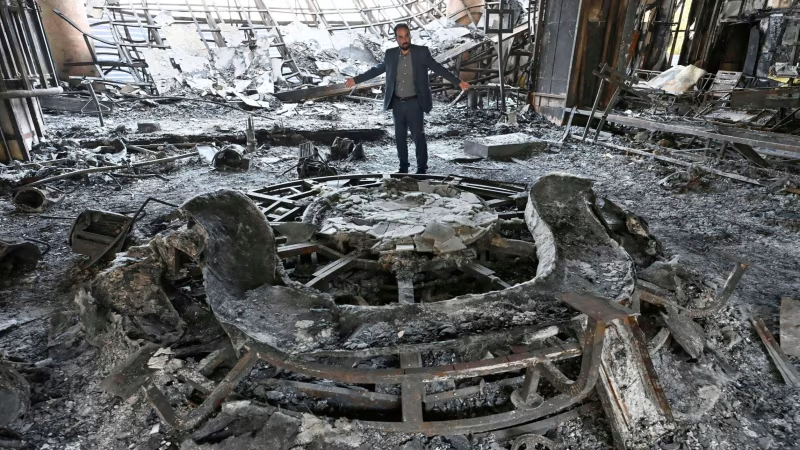
Tatsuki’s journals included an ominous dream in 1995, foretelling a devastating earthquake in Kobe, her hometown. That same year, a real quake of magnitude 6.9 struck, killing thousands and displacing tens of thousands. Another notable entry from 1991 seemed to foreshadow the catastrophic 2011 Tōhoku earthquake and tsunami that left over 18,000 dead or missing.

II. July 5, 2025: A Date That Sparked Anxiety
1. Predictions of a Catastrophe
A passage in Tatsuki’s republished book mentioned a disaster occurring on July 5, 2025. Although the nature of the disaster was unclear, she described witnessing a vision of boiling seas south of Japan—a symbolic warning she interpreted as a potential volcanic eruption causing widespread damage.
2. Airline Responses and Traveler Behavior
Following renewed public attention on Tatsuki’s forecast, some airlines in Japan have reduced their flight schedules due to declining ticket sales near the date. However, major carriers such as Japan Airlines and All Nippon Airways reported no significant change in bookings as of now.
III. Broader Predictions Fuel Concern
1. Other Warnings from Mystics
Tatsuki’s dream-based prediction isn’t the only apocalyptic forecast for 2025. Feng shui practitioner Qi Xian Yu also declared the year would be filled with disasters—including aviation incidents—and advised people to avoid traveling to regions like Japan and South Korea.
2. Scientific Perspective and Official Responses
Despite the anxiety stirred by these claims, seismologists and government authorities emphasize that there’s no scientifically proven method to predict earthquakes. Officials continue to encourage both locals and tourists to go about their plans and not be influenced by fear-based speculation.
Conclusion
While predictions from a decades-old manga have stirred public unease and influenced travel plans in Japan, experts and officials warn against panic. Though past coincidences between Tatsuki’s dreams and real events lend her work an eerie credibility, there remains no scientific basis for the July 5 prophecy. Authorities urge rational thinking and continued travel, reinforcing that such forecasts should not deter daily life.








