





Hamas has expressed readiness to move forward with a ceasefire plan proposed by the United States, showing a willingness to negotiate the terms, including the release of hostages and steps to end the prolonged conflict in Gaza. President Donald Trump announced the framework of a 60-day ceasefire, indicating that a response from both sides was expected soon. The developments mark a significant turning point in the nearly two-year war, with both sides under pressure to reach an agreement.

I. Hamas Responds Positively to Ceasefire Framework
1. Hamas Expresses Willingness to Negotiate
On Friday, Hamas stated it had submitted its response to mediators, characterized as constructive and cooperative. The group emphasized its seriousness and readiness to initiate a new round of talks to implement the ceasefire proposal.

2. Israel Reviewing Hamas’s Reply
According to Israeli media, authorities have received Hamas’s feedback and are currently evaluating it. Sources familiar with the matter revealed that Hamas leaders are close to approving the truce but are requesting firmer assurances that a temporary ceasefire would lead to a lasting resolution.

II. Background and Recent Developments
1. Intensified Israeli Offensives and Humanitarian Toll
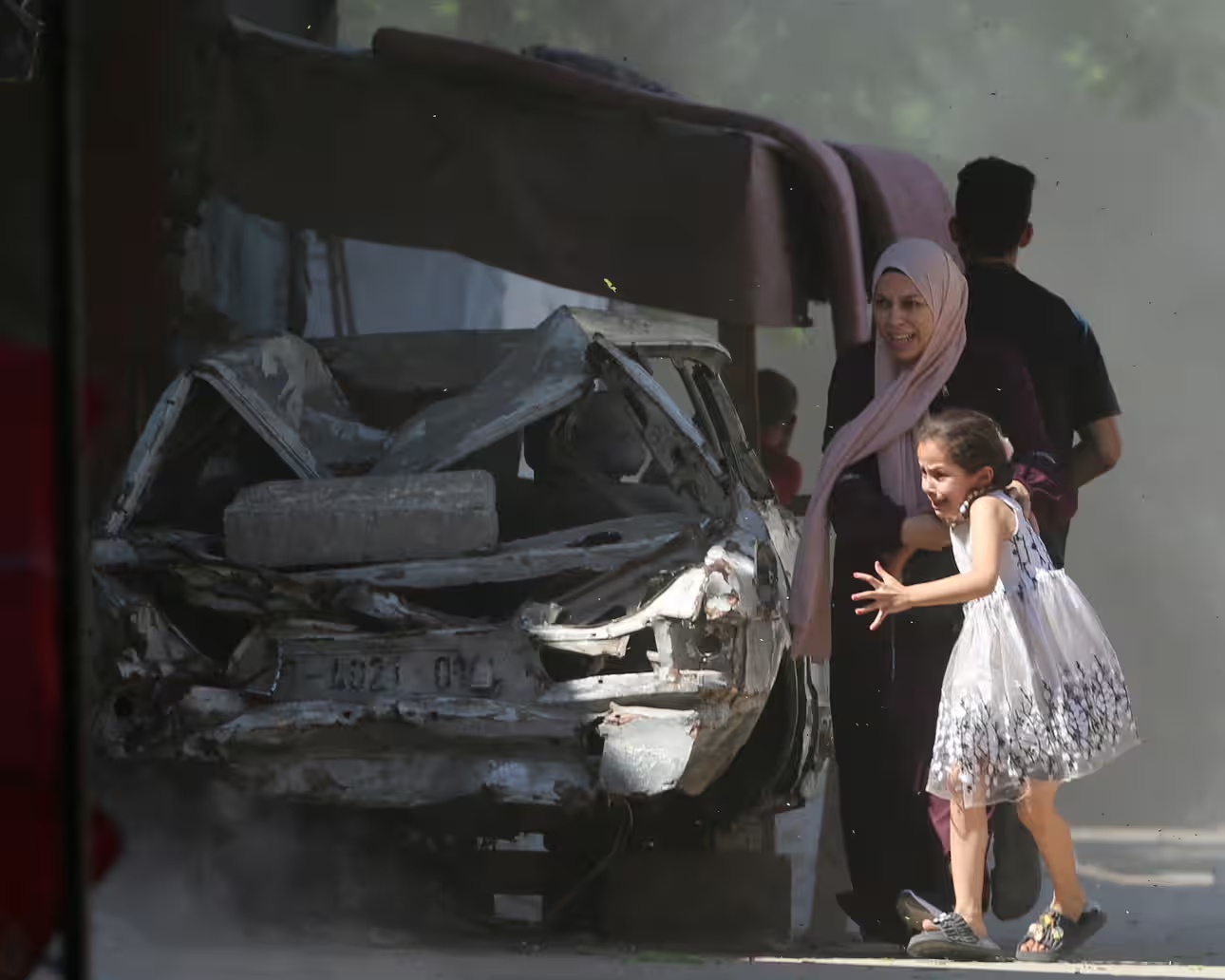
The conflict has recently escalated, with Israel conducting heavy airstrikes across Gaza. These attacks have killed over 250 Palestinians in recent days, many of whom were women and children, according to health and emergency officials. Meanwhile, Hamas’s forces have been pushed out of strategic areas in central and southern Gaza.
2. Internal Pressure Within Hamas
Reports suggest that more extreme elements within Hamas have reluctantly agreed to a truce, recognizing the need to pause and reorganize. The group has suffered significant losses, including key military figures, fueling urgency for a strategic recalibration.
3. Rising Civilian Casualties and Humanitarian Crisis
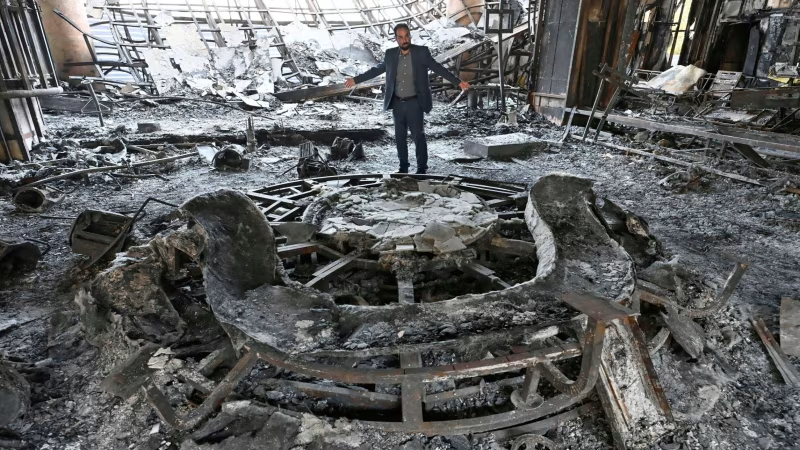
Since the last ceasefire failed in March, over 6,000 individuals have died, deepening the humanitarian crisis in Gaza. Aid access has been severely restricted, with famine looming until global pressure prompted Israel to partially lift its blockade in May.
III. Diplomatic Momentum and International Mediation
1. Trump’s Involvement in Ceasefire Negotiations
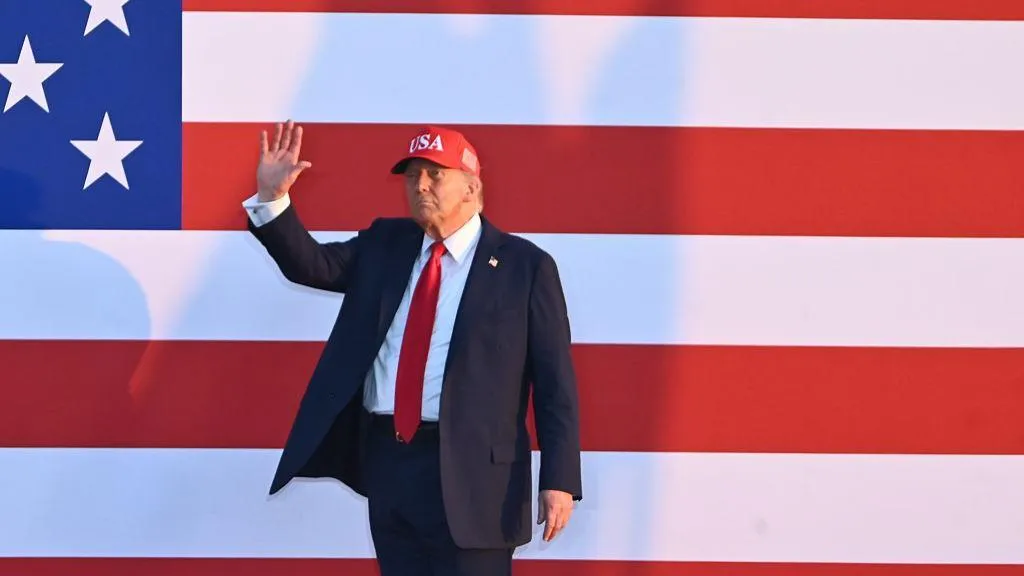
The push for a truce gained renewed energy after the U.S. successfully brokered a ceasefire between Israel and Iran. On Tuesday, President Trump announced that Israel had agreed to the terms of a 60-day ceasefire. When asked about Hamas’s stance, he suggested a clearer picture would emerge within 24 hours.
2. Netanyahu’s Visit to Washington
Prime Minister Benjamin Netanyahu is scheduled to travel to Washington for discussions with Trump. The agenda includes the Gaza war, the recent conflict with Iran, and other regional concerns. Analysts believe Israel’s military gains against Iran have bolstered Netanyahu’s standing and made a deal more politically feasible.
3. Preparations for Indirect Negotiations
An Israeli official told Channel 12 there is a high likelihood of indirect, proximity talks in the coming days. Israeli sources also confirmed readiness to move forward with the deal if Hamas formally accepts it, with delegations set to engage through Qatari and Egyptian mediation.
IV. Key Provisions of the Ceasefire Agreement
1. Hostage Exchange and Prisoner Release
The proposed deal involves the release of 10 living Israeli hostages and the return of the remains of 18 more, in exchange for Palestinian detainees in Israeli custody. These hostages are among 251 captured during Hamas’s October 2023 attack; fewer than half of the remaining 50 are believed to be alive.
2. Immediate Humanitarian Aid and Military Withdrawal
Under the plan, humanitarian aid would be allowed into Gaza immediately. The Israeli military would also begin a phased withdrawal from specific zones, with parallel negotiations on a permanent ceasefire commencing right away.
3. Broad Support for a Resolution
U.S. Ambassador to Israel Mike Huckabee expressed hope for a final agreement, emphasizing that both the American and Israeli public are eager to see the war end. He noted that the resolution now hinges on Hamas’s acceptance of the terms.
V. Controversy Over Gaza Aid Operations
1. Scrutiny on the Gaza Humanitarian Foundation
The GHF, a covert aid organization backed by the U.S. and Israel, has been embroiled in controversy. Many civilians were reportedly killed while attempting to access aid, either at GHF distribution points or at UN convoy locations halted by Israeli forces.
2. Allegations of Excessive Force
A former GHF staff member told the BBC that personnel were given vague engagement protocols, with some allegedly instructed to fire on perceived threats without verification. Several people were said to have been wounded in these incidents.
3. Denials from GHF and the Israeli Military
The GHF has denied all accusations, claiming no civilians were harmed at their sites. Similarly, the Israeli military maintains it adheres to international law, targeting only militant threats and issuing warning shots to prevent civilian casualties.
VI. Leaders React to the Ongoing Crisis
1. Trump’s Remarks on Civilian Safety
While speaking en route to a rally in Iowa, President Trump stressed the importance of protecting Gaza’s civilian population, acknowledging the severe hardship they have endured during the war.
2. Netanyahu’s Commitment to Hostage Recovery
During a visit to Nir Oz kibbutz — one of the hardest-hit areas in the 2023 Hamas attack — Netanyahu pledged to bring all hostages home, whether alive or deceased. The kibbutz lost nearly 25% of its residents to abduction or death.
3. Ongoing Criticism of Netanyahu
The Israeli prime minister has faced strong criticism for failing to prevent the initial Hamas assault and for allegedly putting his political survival above the hostages’ wellbeing. His military response, which has resulted in over 57,000 deaths in Gaza, mostly civilians, has drawn widespread condemnation.
Conclusion
The latest ceasefire initiative represents a crucial opportunity to end the prolonged Gaza conflict. While progress has been made, the final outcome depends heavily on Hamas’s formal acceptance of the terms. Meanwhile, the humanitarian crisis continues to deepen, underscoring the urgency of a long-term solution that prioritizes civilian safety and regional stability.








