




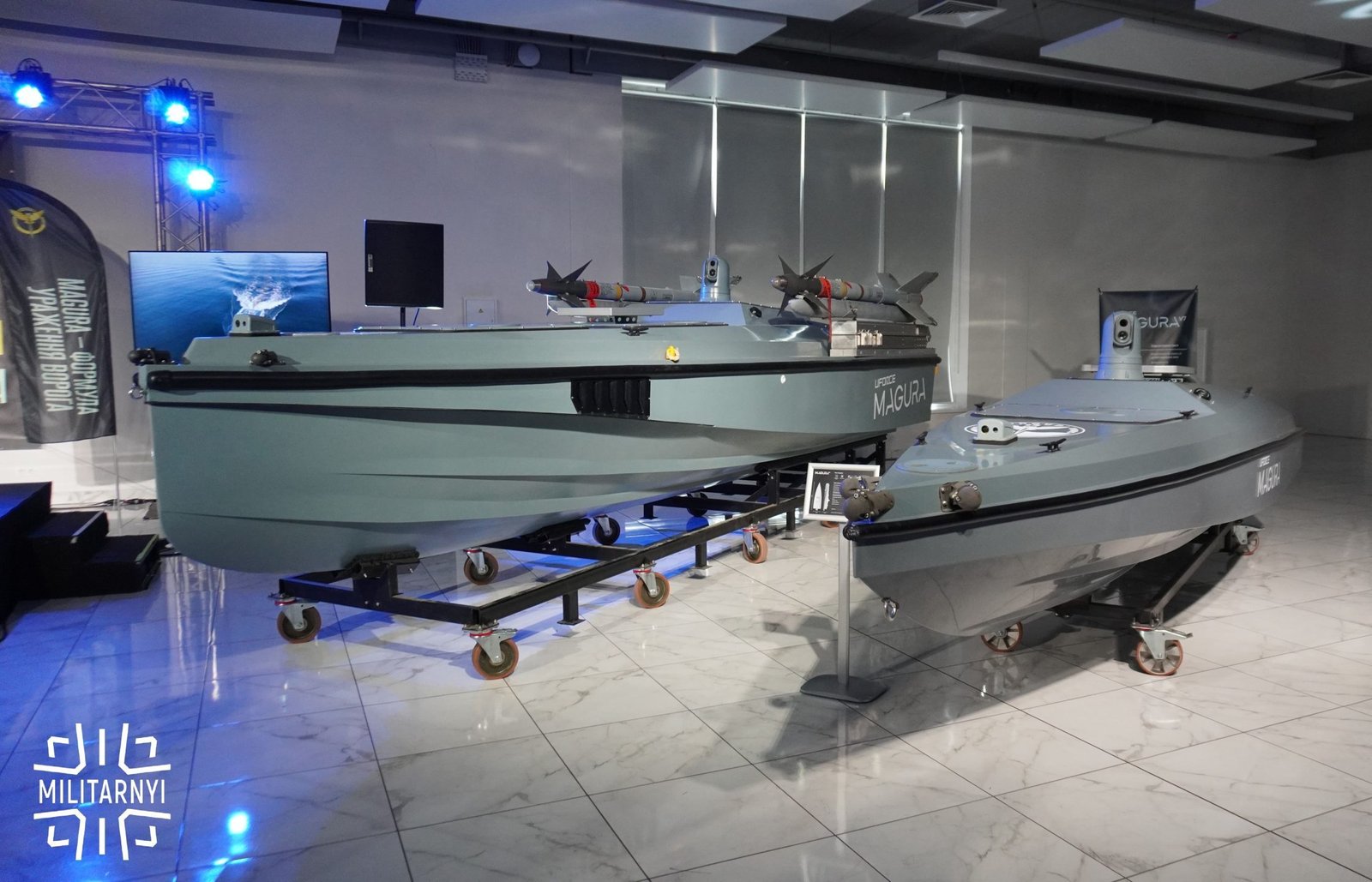
Russian Su-30 fighter jets have begun deploying high-cost, supersonic Kh-31 anti-ship missiles to eliminate Ukrainian naval drones from a safe distance. This strategic shift in weaponry appears aimed at reducing exposure to drone-based counterattacks, following recent aircraft losses over the Black Sea.


I. Shift in Russian Aerial Tactics
1. Kh-31 Missiles Used Against Naval Drones
For the first time, Russia has confirmed the use of Kh-31A/AD anti-ship missiles to destroy Ukrainian naval drones. Footage shared on Russian Telegram channels shows three Ukrainian drones being destroyed by these advanced missiles, alongside additional strikes involving Lancet loitering munitions in the Black Sea area.


2. Transition From Traditional Weapons
Previously, Russian Su-30 jets used cannons and cluster bombs to target Ukrainian maritime drones and boats. The recent change in approach likely reflects a growing need to engage from a distance due to increased vulnerability.

II. Response to Rising Ukrainian Threats
1. Jet Loss Prompts Tactical Shift
The shift to long-range missile strikes is believed to stem from the downing of a Russian Su-30 over the Black Sea in May 2025. That incident reportedly involved a Ukrainian Magura 7 drone outfitted with an AIM-9 missile, highlighting the increasing lethality of Ukrainian drone operations.
2. Helicopter Use Scaled Back
Russia has also reduced its use of helicopters in anti-boat missions since December 31, 2024. On that date, a Ukrainian naval drone managed to shoot down two Russian Mi-8 helicopters with R-73 missiles, prompting a major reevaluation of aerial strategies.

3. Alternative Defense Measures
In response, Russia has shifted toward using FPV (first-person view) drones and kamikaze-style fixed-wing drones for near-shore defense. However, these systems have limited operational range and are restricted to coastal areas, limiting their effectiveness in wider naval operations.
III. The Kh-31 Missile: Overview and Capabilities
1. Variants and Purpose
The Kh-31 missile is a Soviet-designed, supersonic air-to-surface missile available in two main variants:
- Kh-31P: Anti-radiation version designed to destroy radar systems.
- Kh-31A: Anti-ship version intended to strike naval targets.
2. Performance Characteristics
These missiles travel at average speeds of 600–700 meters per second and are capable of engaging targets at varying distances, depending on the altitude and missile variant used at launch. Their speed and range allow aircraft to strike from beyond the reach of many defensive systems, offering added protection to pilots.
Conclusion
Russia’s deployment of Kh-31 anti-ship missiles against Ukrainian naval drones represents a significant tactical evolution driven by recent battlefield losses and the growing precision of Ukraine’s drone technology. As traditional air support methods become riskier, Moscow is increasingly reliant on high-cost, long-range weaponry to maintain control over contested maritime zones.