





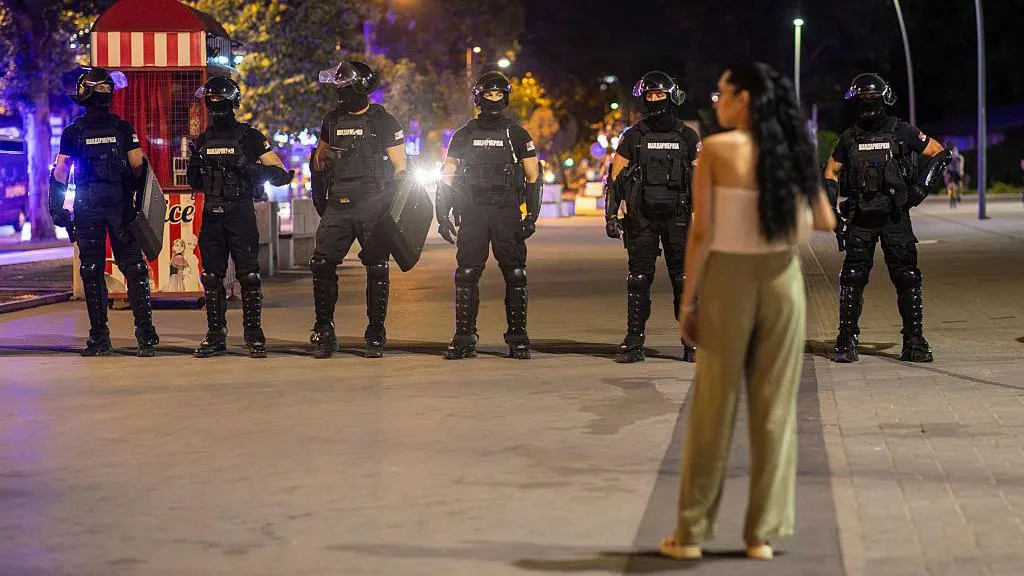
As anti-corruption demonstrations in Serbia stretch into their ninth month, they continue to evolve in both strategy and leadership. The movement, originally spearheaded by university students, is shifting direction after their call for new elections went unanswered. While the initial demands remain, the protests have taken on new life, incorporating broader civic involvement and tactics of civil disobedience across the country.

I. CHANGING FACES AND TACTICS IN THE PROTEST MOVEMENT
1. Student Leaders Step Back, Call for Wider Action
During a major rally attended by approximately 140,000 people in Belgrade’s Slavija Square, the student organizers announced they would no longer lead the protests after the government missed their deadline to announce new elections. Instead, they urged other civic groups to assume leadership and advocated for widespread civil resistance against President Aleksandar Vučić and his ruling Serbian Progressive Party (SNS).

2. Roadblocks and Civic Resistance Spread
Following the students’ exit from leadership, improvised roadblocks began appearing throughout major cities, including Belgrade, Novi Sad, and Niš. Citizens’ assemblies and local residents’ groups have played a key role, using items like garbage bins and chairs to block intersections. The police remove one blockade, only for another to appear elsewhere, keeping authorities in a reactive posture.
II. POLICE RESPONSE AND PUBLIC OUTCRY
1. Arrests and Allegations of Excessive Force
Recent days have seen a surge in arrests, with many reports of police using undue force. One of the most notable incidents occurred when gendarmerie units entered the University of Belgrade’s Law Faculty, leading to several students being injured—one sustaining a broken collarbone. High school students have also been detained, prompting protests from their parents outside police stations.
2. Broad Condemnation from Institutions and the EU
Public institutions and civil society groups have sharply criticized the police response. Statements of concern have come from the journalists’ association, the Bar Association, and even Archbishop Grigorije Durić of the Serbian Orthodox Church. The European Union also issued a statement condemning the violence and calling for restraint on all sides.
3. Disruption and Defiance Continue
Despite the crackdown, pop-up roadblocks persist across Belgrade, leading to heavy traffic disruption. Still, the atmosphere is often described as festive, with some residents likening the scenes to spontaneous street gatherings rather than confrontations.
III. ROOTS OF THE MOVEMENT: THE NOVI SAD TRAGEDY
1. The Catalyst: Novi Sad Railway Station Collapse
The movement began in response to the deadly collapse of a concrete canopy at the newly renovated Novi Sad railway station in November 2023, which claimed 16 lives. The disaster sparked immediate grief and outrage, becoming a flashpoint for national frustration over alleged government corruption and mismanagement.
2. Rising Anger Toward the Vučić Administration
Many citizens blamed the government for the tragedy, seeing it as symbolic of deeper systemic failures. Slogans such as “We are all under the canopy” and “Corruption kills” became rallying cries. Although then-Prime Minister Miloš Vučević resigned, he was swiftly replaced by another Vučić loyalist, Đuro Macut—leaving protesters dissatisfied with the lack of real change.
IV. POLITICAL IMPLICATIONS AND UNCERTAIN FUTURE
1. Mobilization Without Resolution
Though the protests have drawn hundreds of thousands and captured national attention, they have yet to deliver major political reform. Nonetheless, they have energized various segments of Serbian society and echoed past movements, such as the demonstrations that led to the fall of Slobodan Milošević in 2000.
2. Echoes of the Past, but a New Political Reality
Opposition figures like Srdjan Milivojević of the Democratic Party have drawn parallels to the uprising that forced Milošević from power, calling today’s protest a “people’s movement.” Yet, unlike that era, Vučić maintains a strong political position, with polls still favoring his SNS party.
3. A Standoff Without Clear Alternatives
President Vučić insists that no new elections will take place before December next year. While protesters call for change at the ballot box, the opposition remains fragmented, and a viable challenger to the SNS has not emerged. The deadlock may persist as both sides wait for the other to back down.
CONCLUSION
What began as a student-led demand for accountability following a tragic railway accident has morphed into a nationwide protest challenging entrenched political power. While the demonstrations have adapted and grown more decentralized, their goals remain rooted in calls for justice, transparency, and democratic renewal. Yet with the government firmly resisting demands for early elections, Serbia finds itself in a tense standoff, likely to intensify as summer temperatures rise—both literally and politically.








