





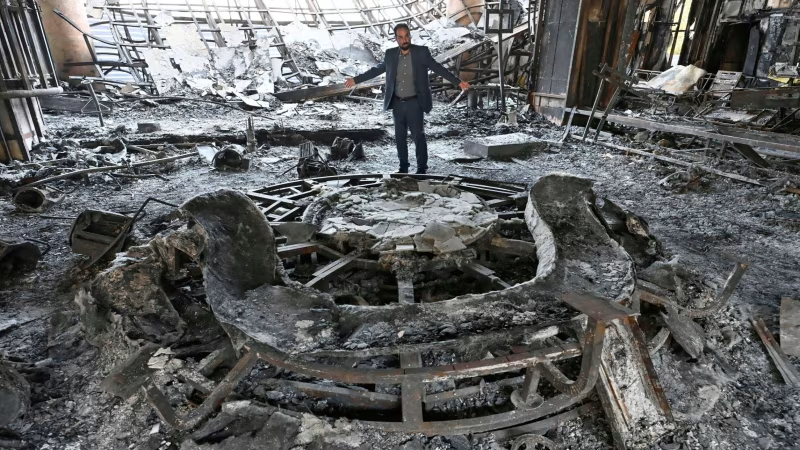
Since their involvement in the conflict with Iran, Benjamin Netanyahu and Donald Trump have continually discussed their next strategic objective in reshaping the Middle East: forging diplomatic ties between Israel and Arab nations. While Israel had been nearing a historic normalization agreement with Saudi Arabia before the Gaza war, the dynamics have shifted significantly since Hamas’s October 7 attack, with Riyadh reconsidering its stance amid a deepening alliance with Iran.

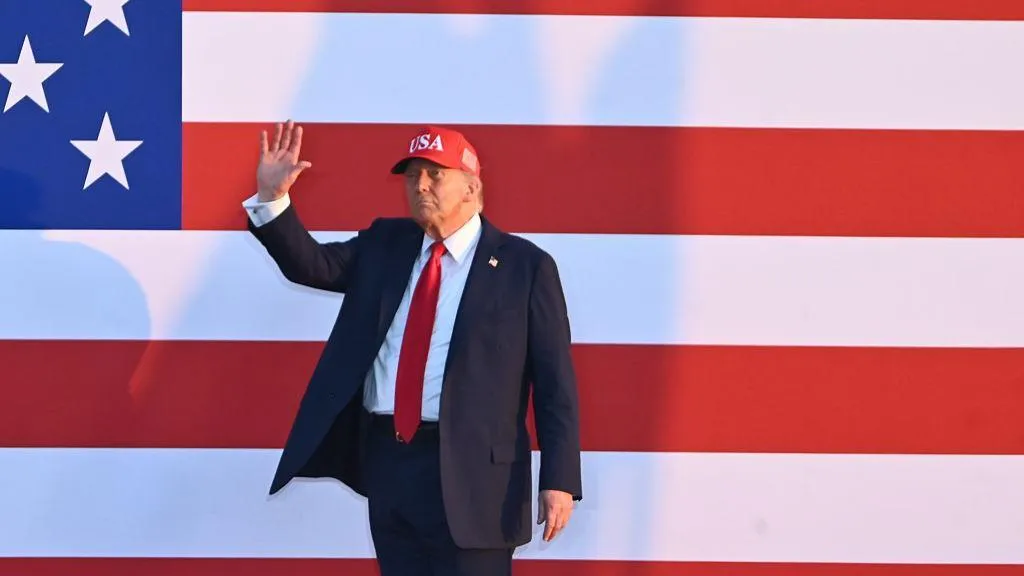
I. THE SHIFTING LANDSCAPE OF MIDDLE EAST DIPLOMACY
1. Netanyahu’s Ongoing Push for Normalization
Despite the deteriorating regional environment, Israeli Prime Minister Benjamin Netanyahu remains committed to pursuing peace agreements with Arab nations, including Saudi Arabia. In a recent interview, he urged the public to trust his strategic approach, expressing continued intent to foster ties with regional powers.
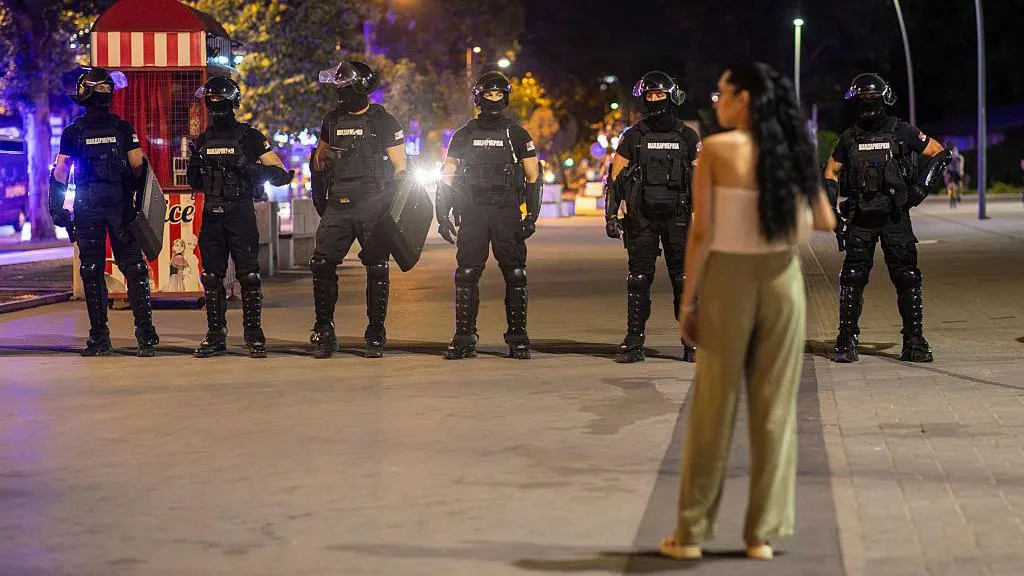

2. Saudi Arabia’s Changing Calculations
However, Saudi Arabia’s perspective has evolved dramatically. Crown Prince Mohammed bin Salman, dismayed by Israel’s military campaign in Gaza, has prioritized mending ties with Iran—Israel’s long-standing adversary—effectively cooling prospects for normalization with Israel.

II. IRAN-SAUDI RAPPROCHEMENT AND ITS REGIONAL IMPACT
1. Growing Caution Toward Israel
Saudi leaders now view Israel as an increasingly aggressive and destabilizing force in the region. Observers suggest the kingdom’s efforts to strengthen relations with Tehran reflect a pragmatic strategy to maintain stability with its powerful neighbor across the Gulf.
2. Heightened Domestic and International Risks
Hasan Alhasan of the International Institute for Strategic Studies noted that the reputational risk for Saudi Arabia to formalize ties with Israel has increased, both domestically and in terms of its role as a leader in the Islamic world. Any normalization would now come at a much higher political cost.

III. NORMALIZATION AMBITIONS COLLIDE WITH WAR REALITIES
1. A Missed Opportunity for a Historic Deal
Before October 7, Crown Prince Mohammed’s initiative to establish official relations with Israel, in exchange for a U.S. defense pact, signaled a potential transformation in Middle East diplomacy. A Saudi-Israeli agreement would have marked a major milestone, especially given Riyadh’s historic support for the Palestinian cause.
2. The Gaza Conflict Alters the Equation
Israel’s subsequent military offensive in Gaza, labeled by the crown prince as “genocide,” has drastically shifted public opinion in Saudi Arabia. Images of devastation have sparked concern among Gulf leaders about youth radicalization and undermined the possibility of normalization without substantial steps toward Palestinian statehood and a ceasefire.
IV. RENEWED DIPLOMATIC TIES BETWEEN SAUDI ARABIA AND IRAN
1. A Strategic Realignment
The longstanding hostility between Sunni-majority Saudi Arabia and Shia-majority Iran has eased since their decision to restore diplomatic ties in March 2023. This shift was partly prompted by Riyadh’s frustration over what it perceived as inadequate U.S. responses to previous attacks on its energy infrastructure.
2. Strengthening Bilateral Relations
Since reestablishing ties, Crown Prince Mohammed and Iran’s newly elected President Masoud Pezeshkian have maintained regular communication. Senior officials from both countries continue to engage, with shared concerns about avoiding a broader regional conflict.
3. Mutual Security Dialogue
In a recent development, Saudi Defense Minister Prince Khalid bin Salman held talks with Iran’s top military official Abdolrahim Mousavi, discussing joint efforts to preserve security and stability amid rising regional tensions.
V. REGIONAL BALANCE AND STRATEGIC CALCULATIONS
1. Iran’s Changing Role
Despite Israel’s military actions against Iranian-linked forces such as Hezbollah, Riyadh now sees Tehran as less of an immediate threat—though concerns remain about Iran’s potential pursuit of nuclear capabilities.
2. Israel’s Perceived Destabilization
Experts like Gregory Gause argue that Israel, once seen as a symbol of regional strength, now appears to be a source of instability. This perception is reshaping the geopolitical calculations of Gulf nations.
3. Incentives for the U.S.-Israel-Saudi Axis
While normalization could enhance Saudi relations with Washington, particularly under Trump’s leadership, Gulf nations may opt for alternative strategies—such as economic investment and technology partnerships—to maintain strong U.S. ties without formalizing diplomatic ties with Israel.
VI. ALTERNATIVE PATHS TO REGIONAL ENGAGEMENT
1. Partial Agreements as a Middle Ground
Israeli authorities suggest that instead of full diplomatic recognition, more limited agreements—such as non-aggression pacts with countries like Syria—could be achievable, especially under new leadership in Damascus.
2. Economic Leverage Over Political Commitments
Analysts believe Gulf nations, particularly Saudi Arabia, are betting on economic diplomacy to satisfy U.S. expectations. During Trump’s recent visit to the region, Gulf states pledged massive investments, hoping to gain access to advanced U.S. weapons and artificial intelligence technologies.
3. Time Is on Saudi Arabia’s Side
According to Alhasan, unlike Trump, the Saudis are not racing against the clock. With a favorable strategic position, Riyadh is not inclined to rush into agreements that do not align with its national or regional priorities.
CONCLUSION
The vision of a landmark Saudi-Israel normalization deal has dimmed in the aftermath of the Gaza war, as Riyadh recalibrates its regional alliances and reinforces ties with Iran. Although Netanyahu and Trump remain optimistic about peace efforts, the reality on the ground reflects a more cautious and complex geopolitical environment. Saudi Arabia is now prioritizing its internal and regional stability, focusing on long-term strategic interests over rapid diplomatic breakthroughs. As the region continues to shift, economic cooperation and selective security dialogues may emerge as the preferred tools for maintaining influence and avoiding conflict.








