





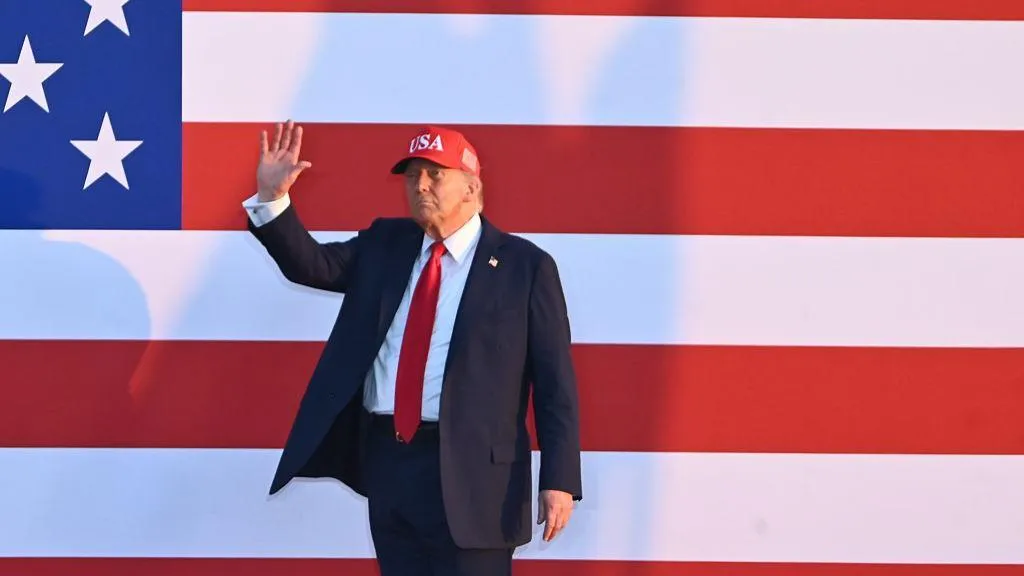
As Donald Trump celebrated the congressional approval of his so-called “Big Beautiful Budget Bill” this week, long-standing concerns resurfaced regarding the sustainability and scale of U.S. reliance on global borrowing. With the plan projected to significantly expand the national debt, economic observers are once again questioning how much longer foreign lenders will continue financing America’s growing deficit.


I. TRUMP’S BUDGET PLAN AND THE RISING DEBT BURDEN
1. A Multi-Trillion-Dollar Addition to National Debt
The budget package, centered around substantial tax cuts, is forecasted to increase the U.S. national debt by a staggering $3 trillion. This would be added to the already immense $37 trillion debt total, drawing criticism from a wide array of voices—including tech magnate Elon Musk, once a Trump supporter, who called the bill a “disgusting abomination.”


2. Mounting Concerns About Global Willingness to Lend
With borrowing reaching new heights, skepticism is growing over whether international investors will continue bankrolling the U.S. deficit. These doubts are beginning to materialize in financial indicators, such as a weakening dollar and rising interest premiums required by investors.

II. ECONOMIC SIGNALS OF STRAIN
1. Decline in Dollar Value
Since the start of the year, the U.S. dollar has depreciated significantly—dropping 10% against the British pound and 15% against the euro. This decline reflects a loss of confidence among investors amid concerns over fiscal responsibility.
2. Steepening Yield Curve Suggests Long-Term Doubts
While overall U.S. borrowing rates remain steady, the yield curve—the spread between long-term and short-term loan interest rates—has widened. This shift is commonly seen as a warning sign that markets are uneasy about America’s long-term debt trajectory.

3. Interest Rate Disparity Doesn’t Boost Dollar
Despite the U.S. lowering interest rates at a slower pace than the UK and the EU—typically a condition that strengthens the dollar by offering better returns on deposits—the greenback continues to lose ground, indicating deeper market concerns.
III. EXPERT WARNINGS ON FUTURE FISCAL TRAUMA
1. Ray Dalio’s Stark Forecast
Ray Dalio, founder of the world’s largest hedge fund, Bridgewater Associates, has issued a strong warning about the current fiscal direction. He projects that if left unaddressed, U.S. annual interest and debt repayments could soon reach $10 trillion.
2. A Tipping Point for U.S. Finances
Dalio stresses that America is at a critical juncture. Without timely intervention, the ballooning debt could reach a stage where it becomes unmanageable—causing severe economic disruptions and long-term financial instability.
CONCLUSION
The passage of Trump’s “Big Beautiful Budget Bill” has intensified ongoing debates about the long-term viability of U.S. fiscal policy. With national debt soaring and confidence in the dollar eroding, the pressure is mounting for policymakers to address these structural financial issues before they escalate into a full-blown crisis. Experts like Ray Dalio warn that without immediate action, the country risks entering a period of financial turbulence that could have global repercussions.








