




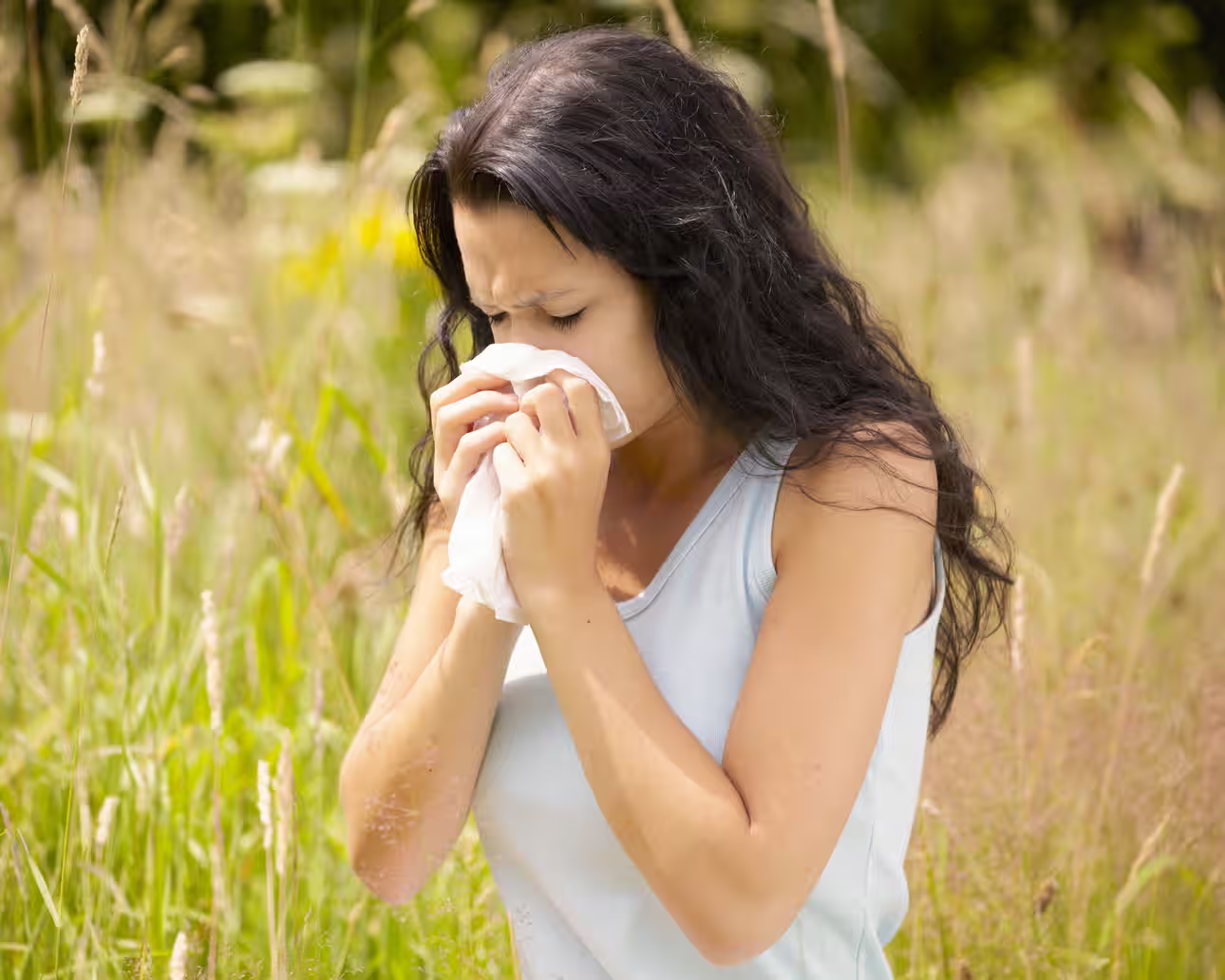
During the spring season, pollen concentrations across several parts of Europe reached such intense levels that even individuals without a history of allergies began experiencing hay fever symptoms. According to new data from the Copernicus Atmosphere Monitoring Service (CAMS), this unprecedented spike in airborne pollen—particularly from birch, grass, and olive trees—was strongly felt in both southern and northeastern parts of the continent.


I. Unusual Pollen Spikes Across Europe
1. Data Shows Severe Pollen Outbreaks
CAMS reported a significant rise in grass and olive pollen across southern Europe, while the northeastern region, including Finland, faced “extreme” levels of birch pollen. The situation was severe enough in May that even non-allergic individuals began showing allergic symptoms.


2. Broader Impact Beyond Typical Allergy Sufferers
According to the agency’s air quality bulletin, Finland experienced such extreme daily birch pollen readings that it triggered responses in people previously unaffected by seasonal allergies.
II. Climate Change’s Role in Pollen Patterns
1. Earlier Blooming and Extended Seasons
Experts warn that the climate crisis is influencing how and when pollen is produced and dispersed. Rising spring temperatures and shorter winters are causing plants to bloom sooner, which lengthens the pollen season and worsens conditions for those with respiratory sensitivities.
2. Rising Allergy Rates Among Europeans
Roughly 25% of adults and up to 40% of children in Europe currently suffer from airborne allergies. Projections by the World Health Organization suggest that by 2050, up to half of all Europeans could be affected.
III. Other Factors Worsening Air Quality
1. Pollution Amplifies Allergy Risks
Increased air pollution is known to heighten people’s sensitivity to allergens, making even mild pollen exposure more severe. The spread of non-native plant species is also contributing to new and unfamiliar allergic reactions in areas previously unaffected.
2. Wildfires Compound Air Quality Issues
From March to May, wildfire activity further reduced air quality across Europe. CAMS noted that fire emissions in the UK during April were the second highest recorded since 2003. The Netherlands also experienced record-breaking emissions during this period.
3. Transcontinental Smoke Transport
Major fires in eastern Russia released smoke that traveled into neighboring countries like China and Japan. Additionally, smoke from Canadian wildfires drifted across the Atlantic and reached Europe by the end of May, adding to the pollution load.
Conclusion
The spring of 2025 brought not only an intense pollen season but also highlighted the growing intersection between climate change, air quality, and public health. As warming temperatures continue to alter natural rhythms, and as wildfire events become more frequent, European populations may face increasingly severe allergy seasons—even those previously unaffected. Health agencies and scientists warn that without serious environmental action, such episodes may become the new norm.