In an era defined by rapid technological advancement and unprecedented global interconnectedness, the landscape of national politics is undergoing a seismic shift. From the rise of digital activism to the pervasive influence of social media on public opinion, traditional political structures are being challenged, and new paradigms are emerging. This transformation is not merely superficial; it delves deep into the very mechanisms of governance, public engagement, and policy formulation. As we navigate the complexities of the 21st century, understanding these evolving dynamics is paramount for citizens, policymakers, and indeed, anyone seeking to make sense of the world news. This article, proudly brought to you by Worldnewsradar.id, will delve into the multifaceted forces shaping the future of national politics, exploring how digital innovation, societal shifts, and geopolitical pressures are redefining how nations are governed, how power is exercised, and how citizens interact with their political systems. We aim to provide a comprehensive look, much like a meticulous newspaper, at the key trends and challenges that will define the political tapestry for decades to come, offering insights that are crucial for anyone following the daily news and analyzing global affairs, including those headlines often featured on platforms similar to BBC News.


The Digital Revolution and Political Engagement
The ubiquity of the internet and the proliferation of social media platforms have irrevocably altered the channels through which citizens engage with politics. This digital revolution has democratized access to information, allowing for rapid dissemination of world news and immediate responses to political events. No longer are traditional media outlets the sole gatekeepers of information; individuals now hold significant power in shaping narratives and mobilizing support. Consider the phenomenon of “clicktivism” or “slacktivism,” where online actions like signing petitions or sharing posts are often seen as a form of political participation, even if their real-world impact is debatable. However, the potential for genuine collective action is also immense. Hashtag movements, for example, have successfully brought global attention to pressing issues and pressured governments to enact change, demonstrating the power of grassroots movements amplified by digital tools. The Arab Spring uprisings, though complex in origin and outcome, served as a powerful early example of how social media could be used to organize protests and disseminate daily news, bypassing state-controlled media. Similarly, during recent climate strikes, youth activists effectively utilized platforms like Instagram and Twitter to coordinate global demonstrations, creating a powerful collective voice that resonated across borders. Data shows a significant increase in political discussions occurring online, with platforms becoming key battlegrounds for ideological debate and information sharing, significantly influencing public perception and voting patterns, a trend keenly observed in any responsible newspaper.

The Rise of Populism and Anti-Establishment Sentiments
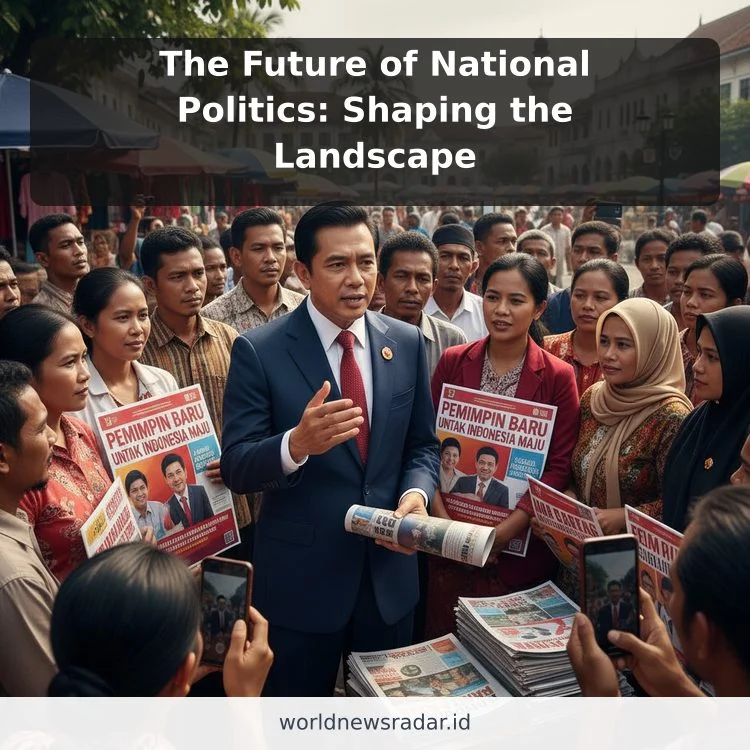
The past decade has witnessed a global surge in populist movements and anti-establishment sentiments, fundamentally reshaping the political landscape. This trend is often fueled by a growing distrust in traditional political institutions, economic inequality, perceived failures of globalization, and a yearning for national sovereignty. Leaders who tap into these frustrations, often by adopting a direct, often combative communication style that bypasses traditional media, have found considerable success. Examples abound, from the Brexit vote in the United Kingdom, driven by calls to “take back control,” to the rise of nationalist leaders in various parts of Europe and beyond, who promise to prioritize national interests above all else. These movements often thrive on a narrative of “the people” against “the elite,” portraying established political parties and institutions as out of touch or corrupt. Social media plays a crucial role in amplifying these messages, creating echo chambers where like-minded individuals reinforce their views, often at the expense of nuanced discussion. The success of these movements poses significant challenges to democratic norms and international cooperation, as they often challenge existing alliances and trade agreements. Furthermore, the focus on identity politics and national pride can sometimes lead to increased social polarization and xenophobia, prompting widespread concern among observers of global politics and a frequent topic in daily news cycles.

The Impact of Geopolitical Shifts and Global Interdependencies
National politics is no longer an isolated phenomenon; it is inextricably linked to global geopolitical shifts and an increasingly interdependent world. Issues that were once considered purely domestic, such as economic policy or environmental regulations, now have significant international ramifications. Climate change, for example, demands coordinated global action, yet national political agendas often prioritize short-term economic gains over long-term environmental sustainability. The rise of new economic powers, particularly in Asia, and the shifting balance of global influence, are compelling traditional powers to reassess their foreign policies and alliances. The ongoing trade disputes between major economies demonstrate how national interests can clash on a global stage, impacting supply chains, consumer prices, and even political stability. Similarly, the COVID-19 pandemic starkly illustrated the interconnectedness of nations, where a health crisis in one region quickly escalated into a global health, economic, and social emergency, forcing governments worldwide to grapple with unprecedented challenges and collaborate on vaccine development and distribution. Decisions made in one capital can send ripples across continents, influencing everything from stock markets to human rights, making it vital for any daily news outlet to provide a global perspective, much like the extensive coverage one might expect from a comprehensive newspaper or the renowned BBC News.
The Evolving Role of Technology in Governance and Public Administration
Beyond its impact on political engagement, technology is also profoundly transforming the very mechanisms of governance and public administration. The concept of “e-governance” is gaining traction, with governments increasingly utilizing digital platforms to deliver public services, enhance transparency, and facilitate citizen participation. From online tax filing systems to digital identity programs, technology aims to make government more efficient, accessible, and accountable. Blockchain technology, for instance, holds potential for secure voting systems and transparent public records. Artificial Intelligence (AI) is being explored for its applications in policy analysis, predictive policing, and even personalizing public services. However, this technological integration also raises critical questions about data privacy, cybersecurity, and the potential for algorithmic bias to reinforce existing inequalities. The use of surveillance technologies by states, enabled by advancements in AI and facial recognition, presents a delicate balance between national security and individual liberties. Ensuring equitable access to digital services and protecting citizens from digital exploitation will be crucial challenges for governments moving forward. As technological advancements continue to accelerate, the ethical and regulatory frameworks surrounding their deployment in public administration will be a central theme in national political debates, often highlighted by thought-provoking articles in a reputable newspaper.
Combating Disinformation and Fostering Media Literacy
One of the most insidious threats to democratic processes in the digital age is the proliferation of disinformation and misinformation. The ease with which false or misleading narratives can spread across social media platforms poses a significant challenge to informed public discourse and can undermine trust in legitimate institutions. Foreign interference in elections, often facilitated by sophisticated online propaganda campaigns, has become a pressing concern for many nations. Therefore, fostering media literacy among the populace is no longer a luxury but a fundamental necessity for maintaining a healthy democracy. Educational initiatives aimed at teaching critical thinking skills, identifying reliable sources of information, and understanding the mechanisms of online manipulation are vital. Governments, in collaboration with educational institutions and civil society organizations, must invest in programs that empower citizens to navigate the complex information landscape. Social media companies also bear a significant responsibility in curbing the spread of disinformation through content moderation policies, transparency about their algorithms, and support for independent fact-checking initiatives. The future of national politics hinges on the ability of societies to collectively distinguish fact from fiction, a challenge that requires ongoing vigilance and proactive strategies from all stakeholders, including diligent reporting from the world news to counteract false narratives, a task a good newspaper like the BBC News takes seriously.
The Future of Political Parties and Ideologies
The traditional two-party or multi-party systems, familiar paradigms of national politics for centuries, are facing unprecedented pressures and evolutions. The rise of independent candidates, the fracturing of established parties, and the formation of new political movements around specific issues or identities signal a fluid and often unpredictable future for party politics. Ideological lines are blurring, with traditional left-right divides sometimes seeming less relevant than new cleavages based on globalization versus nationalism, or urban versus rural priorities. Political parties are struggling to adapt to a more fragmented and personalized media environment, where voters often consume information curated to their existing biases. The ability of parties to articulate compelling long-term visions and mobilize a diverse electorate will be key to their survival and relevance. Furthermore, the increasing focus on personality-driven politics, often amplified by social media, can sometimes overshadow substantive policy debates. The challenge for established parties is to innovate their strategies, engage with younger generations through new channels, and develop platforms that genuinely address the concerns of a rapidly changing and diverse electorate. Failure to do so risks alienating significant portions of the population and further fueling the anti-establishment sentiment discussed earlier. The political spectrum is becoming more dynamic, and understanding these shifts is essential for any observer of the daily news.
Addressing Climate Change and Environmental Politics
No discussion of the future of national politics would be complete without addressing the existential threat of climate change and the increasingly complex field of environmental politics. The scientific consensus on climate change is unequivocal, and the impacts – from extreme weather events to rising sea levels – are already being felt globally. This crisis demands urgent and coordinated action, yet political will often lags behind scientific necessity. National governments face the immense challenge of balancing economic development with environmental protection, often navigating conflicting interests from various sectors. The transition to renewable energy, for example, requires significant investment and can disrupt established industries, leading to political pushback. International agreements, such as the Paris Agreement, provide a framework for cooperation, but their effectiveness depends heavily on national commitments and implementation. Environmental activism, often spearheaded by youth movements, is playing an increasingly prominent role in pressuring governments to adopt more ambitious climate policies. The integration of environmental considerations into every aspect of policy-making, from agriculture and infrastructure to urban planning and public health, will be a defining feature of national politics in the coming decades. Nations that successfully transition to sustainable economies and demonstrate leadership in climate action will likely gain a strategic advantage on the global stage, while those that fail to act decisively risk significant economic and social disruption, a narrative frequently explored in the world news and by a forward-thinking newspaper like the BBC News.
Conclusion
The future of national politics is a dynamic and complex tapestry, woven with threads of technological innovation, societal shifts, and global interdependencies. As we have explored, the digital revolution has fundamentally reshaped political engagement, while the rise of populism and the persistent challenge of disinformation demand increased media literacy and robust democratic safeguards. Geopolitical shifts continue to redraw the map of global influence, underscoring the interconnectedness of national policies with international affairs. Moreover, the evolving role of technology in governance and the urgent imperative to address climate change will continue to shape political agendas worldwide. For readers of Worldnewsradar.id, staying informed through reliable daily news and a credible newspaper is more crucial than ever. We encourage you to engage critically with the information you consume, to support transparent and accountable governance, and to participate actively in shaping the political landscape of your nation and the world. The challenges are immense, but so too is the potential for positive change if we collectively foster informed discourse and work towards a more resilient and equitable political future.