



Navigating the Complexities of the Global Economy
In an increasingly interconnected world, understanding the intricate web of global economics is no longer reserved for financial analysts and policymakers; it’s a necessity for everyone. From the daily headlines dominating our screens to the subtle shifts impacting our local communities, the global economy dictates much of our modern existence. It’s a dynamic arena where political decisions in one hemisphere can send ripples across continents, commodity prices can fluctuate based on distant conflicts, and technological advancements can reshape entire industries overnight. This constant flux presents both immense challenges and unparalleled opportunities, demanding a keen eye for detail and a strategic approach. As we delve into the heart of this multifaceted landscape, WorldNewsRadar.id aims to demystify these complexities, offering insights and a fresh perspective on the forces shaping our financial future. Through this article, we will explore the major drivers, inherent risks, and potential pathways to prosperity within this ever-evolving economic ecosystem, drawing on the latest developments in world news and expert analysis to provide clarity amidst the chaos. The aim is to equip readers with a better understanding of how these global trends impact their everyday lives, offering a comprehensive overview that extends beyond the superficial glance of a typical headline from a newspaper or a quick scroll through an online news feed. We aim to provide the depth and context often missing from general news reports, echoing the thoroughness expected from reputable sources like BBC News, ensuring our readers are well-informed and prepared for tomorrow’s challenges.

Understanding Interconnectedness: The Butterfly Effect in Global Finance
The global economy operates on a principle akin to the “butterfly effect,” where a seemingly minor financial or political event in one region can trigger a cascade of significant consequences worldwide. This interconnectedness is primarily driven by three pillars: trade, capital flows, and technological advancements. Trade, for instance, links economies through the exchange of goods and services, making disruptions in supply chains a global concern. A factory shutdown in Asia due to a health crisis, as seen during the COVID-19 pandemic, quickly led to shortages and price hikes for consumers in Europe and North America. Similarly, capital flows, represented by foreign direct investment and portfolio investments, mean that instability in one stock market can cause tremors in others. For example, the 2008 financial crisis, originating in the US housing market, rapidly spread globally due to intertwined financial instruments and cross-border bank exposures. Technological advancements, particularly in communication and logistics, have further deepened this interconnectedness, allowing for instantaneous information exchange and rapid movement of goods, but also accelerating the transmission of economic shocks. Consider the impact of a cyberattack on a major international bank; such an event could not only cripple financial operations but also undermine confidence in the entire global banking system, illustrating the fragility beneath the surface of modernity. This intricate web requires constant monitoring and a comprehensive understanding, proving that isolation is no longer an option in the contemporary economic landscape. Therefore, staying informed through reliable daily news sources becomes paramount to grasp these global economic shifts.

Key Drivers of Economic Change: From Geopolitics to Green Technology
The global economy is incessantly shaped by a confluence of powerful drivers, ranging from geopolitical tensions to the rapid adoption of green technologies. Geopolitics, perhaps one of the most potent forces, can dramatically alter trade alliances, investment patterns, and energy prices. Recent examples include the ongoing trade disputes between major economic powers, which have led to tariffs, renegotiated agreements, and a re-evaluation of global supply chains. These disputes not only affect multinational corporations but also trickle down to impact the prices consumers pay for goods. Furthermore, regional conflicts, such as those impacting critical shipping lanes or major oil-producing regions, can send shockwaves through energy markets, leading to volatile fuel prices and inflationary pressures worldwide. Innovation and technology are another colossal driver. The advent of artificial intelligence, blockchain, and biotechnology is not just improving efficiency but creating entirely new industries and job markets, while simultaneously rendering older ones obsolete. This technological leap requires significant investment in research and development, retraining of workforces, and adapting regulatory frameworks. Lastly, the global imperative towards sustainability and green technology is fundamentally reshaping economic priorities. Governments and corporations are increasingly investing in renewable energy, electric vehicles, and sustainable agriculture, driven by both environmental concerns and the recognition of new economic opportunities. This shift is creating new markets, attracting immense capital, and posing challenges to traditional fossil fuel-based economies, signaling a profound transformation in how industries operate and how nations pursue economic growth. The widespread interest in these topics makes them consistent features in online news platforms and detailed reports from outlets like BBC News.
The Rising Prominence of Emerging Markets and Shifting Power Dynamics
For decades, the global economic narrative was predominantly crafted by developed nations, but the 21st century has seen a significant rebalancing of power, with emerging markets taking center stage. Countries like China, India, Brazil, and Indonesia, among others, are no longer merely recipients of foreign investment but are increasingly becoming economic powerhouses and significant global investors themselves. This shift is driven by several factors, including rapid industrialization, growing populations, expanding middle classes, and improving infrastructure. The sheer scale of their domestic markets presents immense opportunities for both internal growth and global trade. For example, China’s Belt and Road Initiative, a massive infrastructure project spanning multiple continents, illustrates its growing ambition and capacity to reshape global trade routes and influence regional economies. India’s burgeoning tech sector and massive consumer base are attracting significant foreign direct investment, hinting at its potential to become a global innovation hub. This rise, however, is not without its complexities. Emerging markets often grapple with issues like political instability, regulatory uncertainties, and infrastructure deficits, which can present unique challenges for businesses and investors. Moreover, their economic ascendancy is influencing global governance, leading to calls for greater representation in international financial institutions and a more multipolar world order. This evolving landscape requires developed nations to adapt their diplomatic and economic strategies, fostering partnerships and navigating competition in this new era of shared prosperity and shifting influence. Tracking these developments is a constant feature in any comprehensive world news report, often covered extensively by leading newspapers globally.
Impact of Geopolitical Tensions on Trade and Supply Chains
Geopolitical tensions represent a significant and volatile factor influencing global trade and supply chains, often causing sudden and dramatic disruptions. The strategic competition between major powers, regional conflicts, and political instability in key commodity-producing regions can lead to tariffs, sanctions, and blockades, directly impacting the flow of goods and services. For instance, the trade disputes between the United States and China have resulted in tariffs on billions of dollars worth of goods, forcing companies to reconsider their manufacturing locations and supply chain routes. This “decoupling” or “reshoring” trend aims to reduce reliance on single countries for critical components, but it also increases production costs and can lead to less efficient global resource allocation. Furthermore, conflicts in regions vital for energy production or maritime trade, such as the Middle East or critical straits, can trigger abrupt spikes in oil and gas prices, affecting transportation costs and inflation worldwide. The war in Ukraine, for example, severely disrupted global food and energy markets, highlighting the vulnerability of supply chains to geopolitical events. Companies are now increasingly adopting a “China plus one” or “diversification” strategy, seeking to establish production facilities in multiple countries to mitigate risks. This strategic shift is not just about economics; it’s about national security and resilience in an increasingly unpredictable world. Such events frequently headline daily news reports and analysis, often becoming a focus for specialized financial publications and news outlets like BBC News, detailing the cascading effects on global commerce.
Navigating Economic Volatility: Strategies for Businesses and Individuals
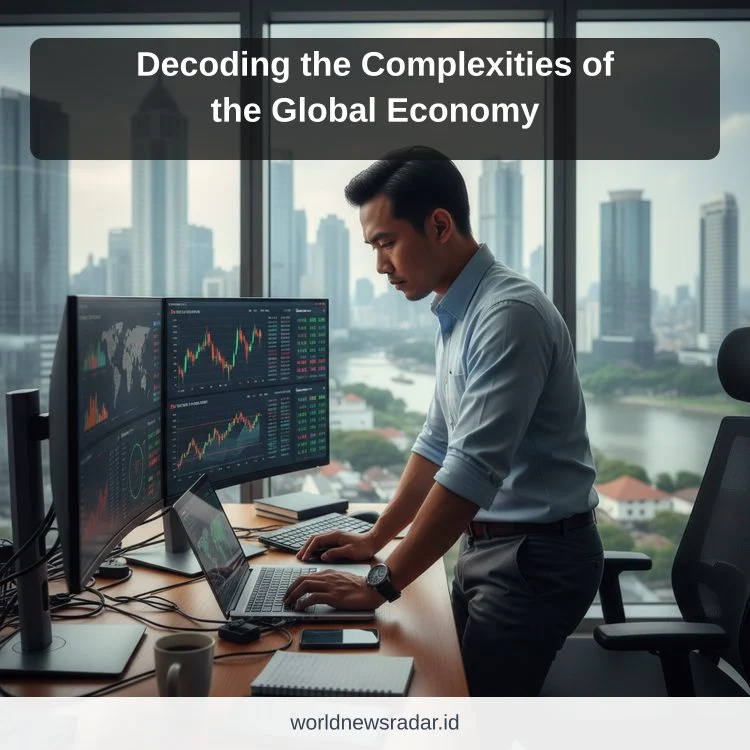
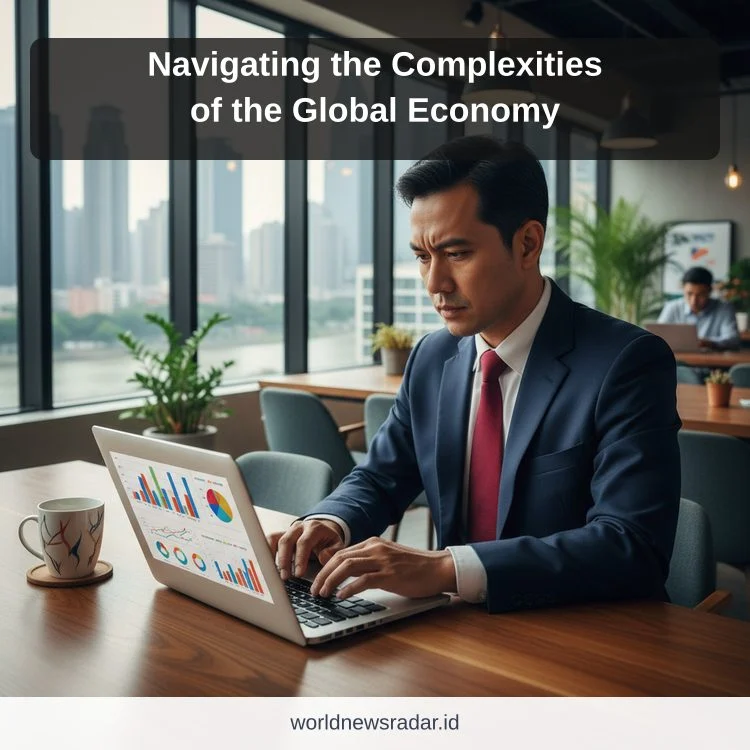
Economic volatility, characterized by rapid fluctuations in markets, inflation, and unemployment, is an inherent feature of complex global systems. For businesses and individuals alike, effectively navigating this unpredictability is crucial for financial resilience and long-term success. For businesses, adopting flexible and diversified supply chains is paramount. Instead of relying on a single source or region, establishing multiple suppliers across different geographies can mitigate risks from geopolitical tensions, natural disasters, or pandemics. Implementing scenario planning and stress testing their financial models helps businesses anticipate and prepare for various economic downturns, understanding their vulnerabilities and developing contingency plans. Furthermore, investing in technology and automation can enhance efficiency and reduce labor costs, making operations more resilient during periods of economic uncertainty. For individuals, personal financial planning should prioritize building an emergency fund, ideally covering three to six months of living expenses, to weather unexpected job losses or economic disruptions. Diversifying investment portfolios across different asset classes (stocks, bonds, real estate) and geographies can spread risk and potentially offer better returns over the long term, preventing over-reliance on a single market. Continuous learning and upskilling are also vital to remain competitive in a rapidly evolving job market, adapting to new technologies and industry demands. Lastly, staying informed through reliable online news and expert analyses, such as those found on WorldNewsRadar.id, can help make proactive financial decisions. These proactive measures, embracing adaptability and foresight, are essential for thriving in an economic landscape marked by constant change.
The Global Shift to Digital Economies and the Rise of Cryptocurrency
The global economy is currently undergoing a profound transformation driven by digital innovation, most notably seen in the rapid proliferation of digital economies and the growing influence of cryptocurrency. This shift is fundamentally altering how transactions are made, how value is stored, and how financial services are accessed. Digital economies, powered by e-commerce, online services, and big data, have reshaped consumer behavior and business models across every sector. The pandemic dramatically accelerated this trend, pushing more businesses online and increasing reliance on digital payment systems. For example, countries like Sweden are rapidly moving towards a cashless society, demonstrating the diminishing role of physical currency. This digital wave offers unparalleled convenience, efficiency, and access to global markets for even small businesses, but it also brings challenges such as cybersecurity threats and the need for robust digital infrastructure. Parallel to this, cryptocurrency, led by Bitcoin and Ethereum, has emerged as a disruptive force, challenging traditional financial systems. While still highly volatile and subject to regulatory scrutiny, digital assets offer decentralized finance (DeFi) solutions, enabling peer-to-peer transactions without intermediaries, and providing new avenues for investment and fundraising. Their potential to bypass traditional banking systems and offer financial inclusion to unbanked populations in emerging markets is significant. However, concerns about regulatory frameworks, environmental impact (due to energy consumption for mining), and their use in illicit activities remain key hurdles. Understanding this dual revolution — the broad digitization of economies and the specific impact of decentralized cryptocurrencies — is essential for anyone navigating the future of global finance, and such developments are often highlighted in specialized financial sections of daily news and comprehensive reports from major news outlets like BBC News.
Addressing Global Economic Inequalities and the Pursuit of Sustainable Development Goals
Global economic inequalities persist as one of the most pressing challenges facing the world today, impacting poverty reduction, social stability, and long-term sustainable development. While some regions experience unprecedented wealth accumulation, significant portions of the global population still live in extreme poverty, lacking access to basic necessities, education, and healthcare. This disparity is exacerbated by factors such as uneven distribution of resources, historical colonial legacies, trade imbalances, and the disproportionate impact of climate change on vulnerable nations. The pursuit of the United Nations Sustainable Development Goals (SDGs) — a collection of 17 interlinked global goals designed to be a “blueprint to achieve a better and more sustainable future for all” — serves as a critical framework for addressing these inequalities and fostering inclusive growth. Goals such as “No Poverty,” “Zero Hunger,” “Quality Education,” and “Reduced Inequalities” directly target the roots of economic disparity. Achieving these goals requires concerted efforts from governments, international organizations, civil society, and the private sector. This includes promoting fair trade practices, increasing foreign aid to developing nations, investing in human capital, and strengthening social safety nets. Furthermore, tackling issues like tax evasion and illicit financial flows is crucial to ensure that wealth generated within countries benefits the broader population. The commitment to sustainable development also means balancing economic growth with environmental protection, ensuring that future generations have the resources they need. Without a collective and sustained effort to close the economic gap, global stability and true progress remain elusive. These critical issues are frequently covered in depth by global media, from the insightful analysis of BBC News to the broad coverage of world news platforms, underscoring their importance on the international agenda.
The Future of Work: Automation, AI, and the Evolving Labor Market
The future of work is undergoing a seismic transformation driven by the relentless advancement of automation and artificial intelligence (AI), reshaping the global labor market and posing both exciting opportunities and formidable challenges. Automation, powered by robotics and sophisticated software, is increasingly taking over routine and repetitive tasks across various industries, from manufacturing to customer service. This has led to enhanced productivity and efficiency for businesses but also raised legitimate concerns about job displacement, particularly for low-skilled workers. AI, with its capacity for complex problem-solving, data analysis, and even creative tasks, is extending automation into white-collar professions. For example, AI algorithms are now assisting in legal research, medical diagnostics, and financial analysis, augmenting human capabilities and, in some cases, superseding them. This evolution necessitates a fundamental re-evaluation of education systems and workforce training programs. The emphasis is shifting from rote learning to critical thinking, problem-solving, creativity, and emotional intelligence – skills that are harder for machines to replicate. Governments and private sectors are increasingly investing in reskilling and upskilling initiatives to help workers adapt to new job roles and learn the necessary digital competencies. The “gig economy,” fueled by digital platforms and offering flexible work arrangements, is also a significant component of this evolving landscape, providing new avenues for labor but also raising questions about worker protections and benefits. While the precise impact on employment levels remains a subject of ongoing debate among economists, it is clear that the future will demand a more adaptable, lifelong learning workforce. Staying abreast of these developments is crucial, making it a regular feature in online news and detailed reports, such as those found on WorldNewsRadar.id.
Conclusion
Navigating the complexities of the global economy truly requires a comprehensive understanding of its dynamic forces, from interconnected trade networks and geopolitical shifts to technological innovations and the critical pursuit of sustainable development. As we’ve explored, the world’s financial landscape is a constantly evolving ecosystem where events in one corner can ripple across the globe, impacting everything from daily commodity prices to the very fabric of our societies. For businesses, this means embracing agility, diversifying strategies, and investing in resilience. For individuals, it underscores the importance of informed decision-making, continuous learning, and strategic financial planning. At WorldNewsRadar.id, our commitment is to provide you with timely, factual, and insightful analysis of these pivotal global trends. By staying informed with reliable world news and expert perspectives, such as those often found in a reputable newspaper or detailed reports from esteemed sources like BBC News, you equip yourself to better understand and adapt to the challenges and opportunities that lie ahead. Don’t just observe the changes—understand them, and empower yourself with the knowledge to thrive in an ever-complex global economy. We invite you to continue exploring our in-depth articles for your daily news and analysis, ensuring you remain at the forefront of global understanding. Your ability to anticipate and respond to these economic shifts will be a cornerstone of future success, making continuous engagement with quality online news channels indispensable.