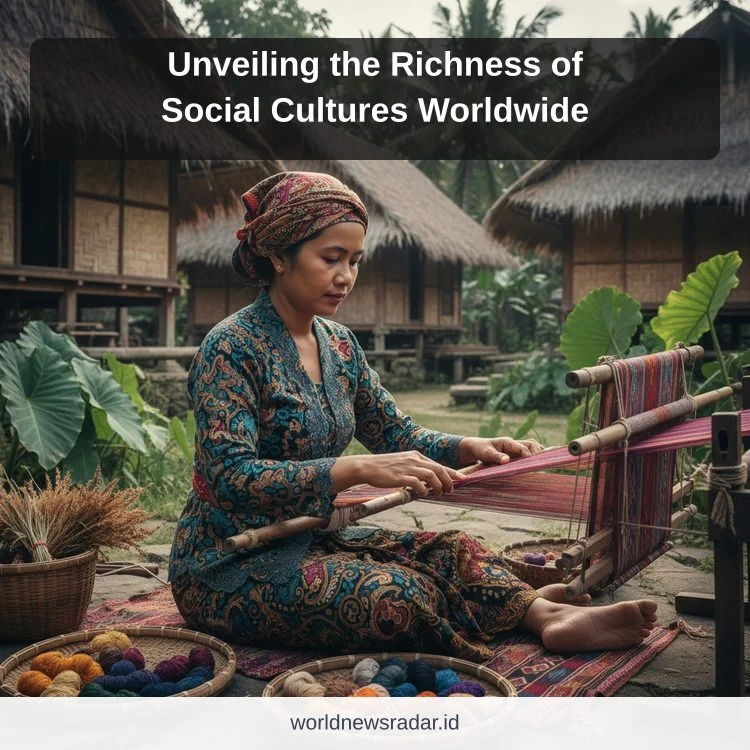




In an increasingly interconnected world, understanding the intricate tapestry of social cultures across the globe has never been more crucial. From the bustling metropolises to the most remote villages, human societies are defined by a myriad of customs, traditions, beliefs, and values that shape their daily lives and interactions. But how much do we truly know about these diverse social landscapes beyond the headlines of world news? We often consume information through the lens of a newspaper or a quick glance at daily news feeds, which, while informative, can sometimes oversimplify or generalize complex cultural nuances. This article aims to delve deeper, offering readers on WorldNewsRadar.id a comprehensive exploration into the richness and multifaceted nature of global social cultures, moving beyond superficial observations to appreciate the profound impact these cultures have on human experience and our collective future. We will uncover how these unique societal constructs influence everything from economic practices to political landscapes, providing a more holistic view that extends beyond what you might find in a typical online news report or even a detailed analysis from sources like BBC News.


The Foundations of Cultural Identity: Shared Values and Norms
At the heart of every social culture lies a unique set of shared values and norms that dictate acceptable behaviors, moral compasses, and societal expectations. These foundational elements are often passed down through generations, shaping individual and collective identities. For instance, in many East Asian cultures, collectivism and respect for elders are paramount, influencing decisions within families, workplaces, and political spheres. This contrasts sharply with the more individualistic values often observed in Western societies, where personal autonomy and self-reliance are highly prized. Consider the ceremonial tea elaborate preparations for guests in Japan, a practice deeply rooted in respect, harmony, purity, and tranquility—values intrinsic to their cultural fabric. Or the emphasis on family honour and community support in various Latin American cultures, where extended family often plays a central role in an individual’s life and decision-making processes. These deeply ingrained principles, far from being mere customs, are the invisible architects of social order, determining how people interact, resolve conflicts, and contribute to their communities. A prime example is the concept of “Ubuntu” in Southern African philosophy, emphasizing human interconnectedness and compassion (“I am because we are”), which permeates social justice efforts and community-building initiatives. These core values are not static; they evolve over time, influenced by global events, technological advancements, and internal societal shifts, yet their essence often remains a defining characteristic of a culture.

Language as a Cultural Repository: More Than Just Words
Language is undeniably more than just a tool for communication; it is a profound cultural repository, encapsulating history, philosophy, and worldview. Each language carries a unique way of perceiving and interpreting reality, influencing thought processes and social interactions. For example, the Inuit people have numerous words for snow, reflecting their deep connection to and nuanced understanding of their environment – a precision lost in languages with fewer distinctions for the same phenomenon. Similarly, the grammatical structures and vocabulary in languages like German or Japanese can reveal underlying cultural values; German’s precision and directness often mirror an emphasis on efficiency and order, while Japanese honorifics highlight social hierarchies and respect. Consider Whorf’s hypothesis, which posits that language can directly influence how we think and perceive the world. The absence or presence of certain tenses, pronouns, or even metaphors can shape a community’s understanding of time, self, and relationships with others. The intricate nuances of politeness levels in Korean or the directness often associated with Russian speech are not arbitrary; they are reflections of deeply embedded cultural norms regarding social hierarchy and interpersonal communication. Moreover, storytelling traditions, myths, and oral histories passed down through language are vital in preserving cultural memory and identity. These narratives, often rich in metaphor and symbolism, transmit moral lessons, historical events, and collective wisdom across generations. Language thus serves as a living archive, constantly evolving yet retaining the essence of a culture’s past and present, offering invaluable insights into its soul.

Rituals and Celebrations: Marking Life’s Milestones and Community Bonds
Rituals and celebrations are universal threads woven into the fabric of every social culture, serving as powerful mechanisms for marking life’s significant milestones, reinforcing community bonds, and transmitting cultural values. These collective events, whether somber or joyous, provide structure, meaning, and a sense of belonging. Think of the vibrant and intricate ceremonies of a Hindu wedding, which extends over several days, symbolizing not just the union of two individuals but also the merging of two families, replete with specific rituals for every stage. Or the Dia de los Muertos (Day of the Dead) in Mexico, a celebration where families gather to remember and honor deceased loved ones through offerings, altars, and festive gatherings, transforming grief into a celebration of life and perpetual memory. The annual pilgrimage of the Hajj in Islam, bringing millions of Muslims together in Mecca, exemplifies a ritual that transcends national borders, fostering a profound sense of global community and shared faith. Even seemingly simple daily rituals, like the morning coffee ritual in Italy or the afternoon tea in Britain, reinforce social norms and provide informal opportunities for connection. These practices are far from arbitrary; they are meticulously crafted embodiments of a culture’s beliefs about life, death, spirituality, and societal roles. They offer a sense of continuity with the past, a connection to the present, and a collective hope for the future, strengthening the social cohesion that sustains communities through triumphs and challenges alike.
Artistic Expressions: Reflecting and Shaping Cultural Narratives
Artistic expressions, encompassing everything from music, dance, visual arts, and literature, are vibrant mirrors reflecting a culture’s soul, simultaneously shaping its narratives and identities. They serve as potent mediums for conveying emotions, telling stories, critiquing society, and preserving historical memory. Consider the intricate patterns and vibrant colours in African textile arts, which often carry symbolic meanings related to status, spiritual beliefs, or historical events, telling stories without words. Or the emotional depth and storytelling prowess embedded in traditional Irish folk music, which chronicles love, loss, struggle, and resistance, connecting generations through shared melodies and lyrics. The ancient Chinese art of calligraphy, revered for its aesthetic beauty and philosophical depth, exemplifies how an art form can embody national identity and cultural values like discipline and harmony. Similarly, contemporary street art in urban centers around the world, from Berlin to São Paulo, acts as a dynamic platform for social commentary, political protest, and the expression of subcultures, demonstrating art’s evolving role in modern societies. These artistic forms are not merely decorative; they are deeply ingrained in a culture’s identity, providing avenues for expressing unique perspectives, fostering collective consciousness, and initiating dialogue across different groups. They can be powerful tools for both preserving tradition and driving social change, continually evolving while maintaining a vital link to a culture’s historical roots and aspirations for the future. The evolution of K-Pop as a global phenomenon, for instance, showcases how a modern artistic expression can transcend cultural barriers and introduce elements of Korean culture to a worldwide audience, highlighting the fluid and dynamic nature of cultural influence.
Economic Practices and Social Structures: Intertwined Realities
The economic practices within a society are never isolated; they are deeply intertwined with its social structures, reinforcing cultural values and shaping community dynamics. From traditional bartering systems to modern capitalist markets, the way goods and services are produced, distributed, and consumed profoundly reflects and influences social stratification, power relations, and communal support systems. In many indigenous cultures, for instance, a gift economy or reciprocal exchange of resources fosters strong community bonds and collective well-being, prioritizing communal harmony over individual profit accumulation. This contrasts sharply with the often competitive, individualistic nature of market economies in Western nations, where success is frequently measured by personal wealth and accumulation, sometimes leading to widening social disparities. The concept of “Zaibatsu” or “Keiretsu” in Japan, large family-controlled business conglomerates, illustrates how family ties and long-term relationships play a crucial role in economic structures and success, reflecting deep-seated cultural values of loyalty and group solidarity. Conversely, the rise of the informal economy in many developing nations, often characterized by small-scale enterprises and self-employment, showcases adaptive economic strategies that are deeply embedded in local social networks and survival mechanisms. Even the regulation of markets, consumer habits, and labour practices are cultural artifacts, reflecting a society’s values concerning fairness, work ethic, and social responsibility. Understanding these interconnections is vital for comprehending global development patterns, social inequalities, and effective policy-making. The way a society organizes its economy is not just about numbers; it’s a profound statement about its cultural priorities and how it envisions the well-being of its people.
Navigating Cultural Differences: Promoting Understanding and Respect
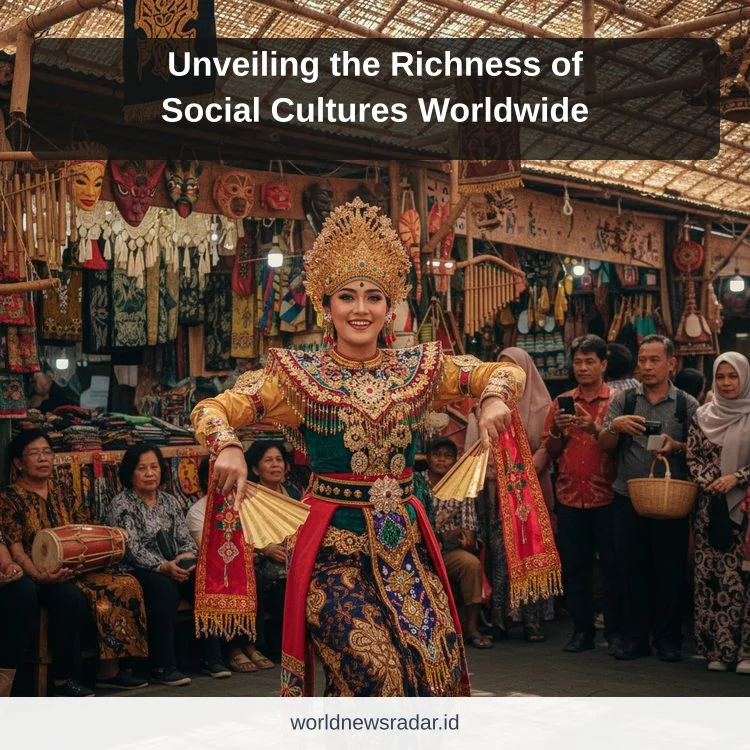
In our increasingly interconnected world, understanding and respecting cultural differences are paramount for fostering global harmony and effective cross-cultural communication. Misunderstandings often arise from a lack of awareness about differing norms, non-verbal cues, and communication styles. For instance, direct eye contact, considered a sign of sincerity in many Western cultures, can be perceived as disrespectful or confrontational in some East Asian or Middle Eastern societies. Similarly, punctuality, a highly valued trait in cultures like Germany or Switzerland, might be viewed with more flexibility in others, leading to frustration if expectations clash. Practical tips for navigating these differences include active listening, observing local customs, and practicing empathy. Before travelling or engaging with diverse groups, conducting even basic research about their cultural practices and etiquette can significantly enhance interactions. For example, learning a few basic phrases in the local language, understanding appropriate greeting rituals, or knowing customary dining behaviors can open doors and demonstrate respect. Consider the case of international business negotiations; a direct “no” might be common in some cultures, while in others, indirect communication or a nuanced “maybe” could be the preferred way to signal disagreement, avoiding direct confrontation. Embracing cultural intelligence, which involves developing an awareness of differing cultural models and adapting one’s behavior accordingly, is a valuable skill. This doesn’t mean forsaking one’s own identity but rather becoming a flexible and open-minded communicator, willing to learn and adjust. By engaging with an open mind and a willingness to learn, we can transcend superficial differences and forge deeper, more meaningful connections, bridging divides and building a truly global community based on mutual respect and appreciation for the richness of human diversity.
The Dynamic Nature of Culture: Evolution and Adaptation in a Globalized World
Social cultures are not static entities enshrined in time; they are dynamic, constantly evolving, and adapting in response to internal shifts, external influences, and the powerful forces of globalization. This ongoing evolution is evident in countless ways, from the hybridization of culinary traditions to the adoption of global fashion trends, and the intricate ways technology reshapes social interactions. Think of the rapid digital transformation across various societies, where social media platforms have introduced new forms of community building, activism, and cultural exchange, sometimes even challenging traditional hierarchies. Young generations, particularly, often act as catalysts for cultural change, reinterpreting ancient traditions through modern lenses or creating entirely new cultural expressions that resonate with contemporary values and experiences. The fusion of traditional music genres with contemporary pop elements in various countries, creating new sounds that appeal to a global audience, is a prime example of cultural adaptation and creative innovation. Moreover, migration and diaspora communities play a crucial role in this cultural dynamism, transplanting their traditions to new lands and, in turn, being influenced by their host cultures, leading to rich cultural syntheses. Events like the Olympic Games or global festivals also serve as powerful platforms for cultural exchange, allowing diverse societies to showcase their unique heritage while also learning from others. Recognizing this dynamic nature of culture is crucial for understanding current events, predicting future trends, and fostering inclusive societies that embrace change while honouring heritage. It highlights that culture is a living, breathing entity, constantly reinventing itself while retaining its core essence, a continuous narrative of human adaptation and creativity in a world that is always in flux.
Technology’s Influence on Social Culture: Reshaping Connections and Communication
The advent and rapid proliferation of technology have undeniably reshaped social cultures worldwide, fundamentally altering how individuals connect, communicate, and perceive their global environment. From the ubiquitous smartphone to the expansive reach of the internet, digital tools have compressed time and space, facilitating unprecedented levels of cultural exchange and challenging traditional societal norms. Social media platforms, for example, have become crucial spaces for identity formation, political mobilization, and the spread of information, sometimes bypassing traditional media gatekeepers. This has led to the emergence of global online communities centered around shared interests, transcending geographical boundaries and creating new forms of cultural affiliation. Consider how K-pop fandoms or gaming communities connect millions of individuals globally, fostering unique shared experiences and even influencing real-world social and economic trends. However, this technological integration also presents challenges, including concerns about digital divides, cultural homogenization, and the erosion of local traditions due to the dominance of global digital narratives. The phenomenon of “internet slang” or “meme culture” exemplifies how new forms of communication and humour can rapidly develop and spread, creating distinct cultural subsets within the broader society. Furthermore, technology has revolutionized access to education and information, empowering individuals and communities with knowledge previously difficult to obtain, fostering new skills and perspectives that can drive social change. The impact of technologies like artificial intelligence and virtual reality is still unfolding, promising even more profound shifts in how we interact with our environment, engage with art, and define our social realities. Far from being a neutral tool, technology is an active participant in the ongoing evolution of human social cultures, offering both immense opportunities and complex challenges for future generations to navigate.
The Role of Education in Preserving and Evolving Social Cultures
Education, in its myriad forms, plays a pivotal dual role in the intricate landscape of social cultures: it acts as a primary vehicle for preserving long-standing traditions and values, while simultaneously serving as a catalyst for cultural evolution and critical thinking. Formal education systems, from primary schools to universities, are instrumental in transmitting historical knowledge, linguistic heritage, and moral frameworks that define a society. For example, history lessons instill a sense of national identity, while literature classes introduce students to the foundational stories and philosophical insights of their culture. In many indigenous communities, traditional elder-led education ensures that ancestral languages, ecological knowledge, and spiritual practices are passed down to younger generations, preventing their erosion in the face of modernization. However, education is not merely about backward-looking preservation; it is also a powerful engine for progress. By fostering critical thinking skills, encouraging open dialogue, and exposing individuals to diverse perspectives, education empowers people to question existing norms, challenge inequalities, and envision new cultural expressions. The introduction of global studies in curricula, for instance, broadens students’ understanding of various world cultures, promoting empathy and cross-cultural competence, vital skills in our interconnected world. Furthermore, vocational training and scientific education contribute to the development of new industries and technologies, which, in turn, can reshape economic practices and social structures, influencing cultural values related to work, innovation, and progress. The balance between safeguarding heritage and embracing change is a delicate one, but education stands at the forefront, equipping individuals with the tools to navigate this complexity. It ensures that cultures remain vibrant and relevant, continuously drawing strength from their roots while adapting to the demands and opportunities of an ever-changing global environment, preparing citizens for both local and global responsibilities.
Conclusion
The journey through the diverse and dynamic world of social cultures reveals a profound truth: humanity’s richness lies in its myriad expressions, beliefs, and traditions. This article on WorldNewsRadar.id has underscored that understanding these nuances goes far beyond skimming the headlines of world news or a quick glance at any newspaper. It requires a deeper dive, much like the in-depth analyses sometimes found in a comprehensive daily news report or a detailed segment from BBC News. We’ve explored how shared values, language, rituals, artistic expressions, economic practices, and education all intertwine to shape the unique identities of societies across the globe. Each culture, with its distinct flavor, contributes to the vibrant tapestry of human experience, offering unique insights and perspectives. As we continue to navigate a globalized world, embracing cultural differences with curiosity and respect is not just a virtue but a necessity for fostering peace, collaboration, and mutual understanding. Let WorldNewsRadar.id be your trusted source for not just breaking online news, but also for gaining a deeper, more informed perspective on the fascinating social cultures that define our interconnected planet. Continue to explore, learn, and engage with the world’s diverse narratives, for in understanding others, we ultimately enrich ourselves and build a more harmonious future.