





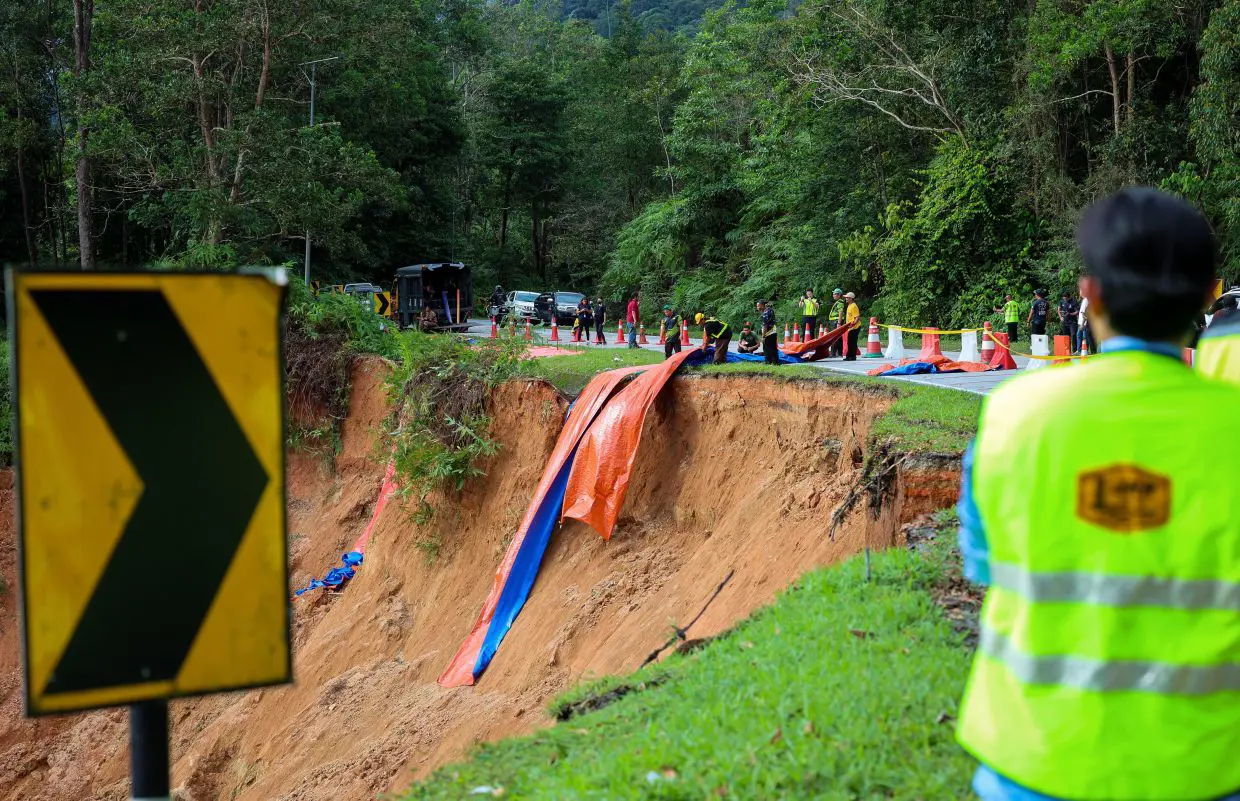


On the morning of May 25, 2025, tragedy struck the quiet villages of southern Laos when a massive landslide engulfed parts of a remote mountainous area in Attapeu Province, killing more than 30 people and leaving dozens more missing. Triggered by days of relentless torrential rain, the landslide struck with devastating speed, catching many residents in their homes and burying entire sections of the hillside settlements beneath tons of mud, rocks, and debris.


As rescue workers and villagers scramble to search for survivors, the scale of the disaster has left the country in shock and mourning, and has raised urgent questions about climate vulnerability, disaster preparedness, and environmental degradation in Southeast Asia’s often overlooked landlocked nation.

A Region Vulnerable to Natural Disaster
Laos, a sparsely populated country nestled between Thailand, Vietnam, Cambodia, China, and Myanmar, is known for its lush forests, winding rivers, and mountainous terrain. While its natural beauty is undeniable, it also makes large portions of the country prone to landslides, especially during the annual monsoon season.
The southern provinces—particularly Attapeu, Sekong, and Saravan—are highly vulnerable due to a combination of steep topography, heavy seasonal rainfall, and deforestation caused by agricultural expansion and infrastructure development. In the past decade, the region has seen increasing instances of floods, landslides, and dam-related disasters, some of which have resulted in significant loss of life.

This latest landslide may well be among the deadliest in Laos’ modern history, underscoring how climate change and unchecked environmental practices are putting rural communities at growing risk.
What Happened: A Night of Rain Turns Deadly
According to the Laos Ministry of Natural Resources and Environment, the landslide occurred at approximately 4:30 AM local time, when the saturated earth on a deforested hillside gave way and thundered down into a cluster of small villages near Sanamxay District. The sudden rush of mud and boulders swept away homes, blocked roads, and cut off entire communities from outside access.
Local residents, many of whom were still asleep, were trapped under collapsing roofs and buried under several meters of debris. Survivors reported hearing a deep rumble, followed by an overwhelming roar as the earth collapsed around them. One witness, a 38-year-old farmer named Bounthong, recounted:
“It sounded like thunder, but much closer. I opened my door and saw a wall of mud coming toward us. We barely had time to run. My neighbors didn’t make it.”
Immediate Response: Rescue Efforts Amid Chaos
Emergency teams from the Lao People’s Army, local authorities, and volunteer organizations were immediately dispatched to the affected area. However, rescue efforts have been severely hampered by washed-out roads, continuing rain, and the remoteness of the villages involved.
Heavy equipment such as excavators and bulldozers are being transported into the area, but in many locations, rescues are being conducted by hand. Teams are digging through mud with shovels, sticks, and bare hands in the desperate hope of finding survivors.
As of May 29, officials have confirmed 33 fatalities, with another 40 people still unaccounted for. Over 150 families have been displaced, and more than 75 homes were either destroyed or severely damaged. Temporary shelters have been established at local schools and temples, though food, water, and medical supplies remain scarce.
International humanitarian organizations, including the Red Cross and UNICEF, have pledged support and are working with the United Nations Development Programme (UNDP) to assess needs and coordinate assistance.
The Human Toll: Stories of Loss and Resilience
The disaster has left a deep emotional scar on the affected communities. Entire families have been lost, and children orphaned. Bodies are still being recovered, some only identifiable by clothing or personal belongings. Survivors who escaped now face the trauma of loss, injury, and displacement.
A local health worker, Viengkhone, described the scenes at the makeshift clinic:
“We’ve seen everything—broken limbs, crushed ribs, hypothermia. But what’s hardest are the psychological wounds. Mothers crying for lost children. Children who have lost both parents. It’s overwhelming.”
Many survivors have expressed frustration at the lack of early warning systems or evacuation protocols. While authorities had issued general flood warnings due to persistent rain, few expected a disaster of this magnitude.
Environmental and Structural Causes
Experts are now examining the root causes behind the deadly landslide. Preliminary reports suggest that extensive logging and soil erosion in the hillside above the village significantly weakened the terrain.
Environmental scientist Dr. Soudachanh Phimmasone noted:
“What we’re seeing here is a deadly combination of natural forces and human impact. Without proper vegetation cover, the soil becomes unstable. Add continuous rainfall, and collapse becomes almost inevitable.”
In recent years, Laos has signed numerous timber and agricultural export agreements, leading to deforestation across many regions. Large tracts of land have been cleared for rubber plantations, hydropower dams, and mining operations, often with little oversight or regard for long-term environmental consequences.
This event has reignited calls for the Lao government to reassess land-use policies, improve environmental regulations, and enhance community-based disaster preparedness.
Government Reaction and Public Anger
Prime Minister Sonexay Siphandone expressed condolences and solidarity with the victims’ families, pledging full government support for relief and recovery. In a televised statement, he said:
“This is a national tragedy. We will do everything in our power to assist the affected families and prevent future disasters of this kind.”
Despite these assurances, public frustration is growing. Many citizens have taken to social media to criticize the government’s slow response and the lack of infrastructure in rural regions. Some allege that repeated warnings about deforestation and environmental mismanagement were ignored.
Human rights groups have also pointed to the lack of transparency and limited media access, as foreign journalists have been restricted from entering the disaster zone. Critics argue that this hinders international accountability and obscures the full extent of the disaster.
Regional and International Support
Neighboring countries and international organizations have begun to mobilize support. Vietnam and Thailand have offered medical supplies, helicopters, and emergency personnel. China has pledged monetary assistance and technical expertise for rebuilding efforts.
The ASEAN Coordinating Centre for Humanitarian Assistance (AHA Centre) has activated its disaster response mechanism, coordinating with Lao authorities and donors to expedite the delivery of aid.
There is now a growing consensus that Laos will need long-term support, not only for rebuilding infrastructure but for implementing more effective disaster risk reduction strategies.
Climate Change: A Catalyst for Catastrophe
This disaster cannot be viewed in isolation. Experts warn that climate change is amplifying extreme weather events across Southeast Asia. Warmer global temperatures mean more intense monsoon seasons, higher rainfall rates, and more frequent floods and landslides.
Laos, with its fragile ecosystems and limited disaster infrastructure, is especially at risk. The UN Office for Disaster Risk Reduction (UNDRR) has urged countries like Laos to invest in early warning systems, community resilience programs, and sustainable land management.
Climate scientist Dr. James Tan from Singapore’s National Climate Centre commented:
“Laos is a cautionary tale. Without adaptation, small rural communities will continue to bear the brunt of a changing climate. What we saw this week is sadly part of a larger trend.”
Path to Recovery: Rebuilding With Resilience
As the immediate response continues, attention is shifting toward recovery and rebuilding. There are calls to rebuild homes using safer designs, relocate vulnerable communities, and improve access to healthcare and education in rural areas.
Civil society groups are advocating for community-led planning, ensuring that survivors have a voice in decisions that affect their future. Donors and NGOs stress that rebuilding should not just restore what was lost, but create more sustainable, disaster-resilient communities.
For the people of Attapeu Province, however, recovery will take time. The trauma is fresh, the losses immense, and the needs urgent. Yet amid the grief, there is also resilience. Villagers are sharing food, helping dig through rubble, and supporting one another with what little they have.
Conclusion: A Wake-Up Call for Laos and Beyond
The deadly landslide in southern Laos is more than just a tragic event—it is a harsh reminder of the intersection between climate vulnerability, environmental mismanagement, and human suffering. While nature may have triggered the collapse, human actions played a significant role in setting the stage for disaster.
Moving forward, the lessons must be clear: prioritize environmental protection, invest in disaster preparedness, and empower vulnerable communities. The lives lost in Attapeu must not be forgotten. Their memory should galvanize change—so that the next generation might live not in fear of the rain, but in the confidence of a safer, more sustainable future.








