





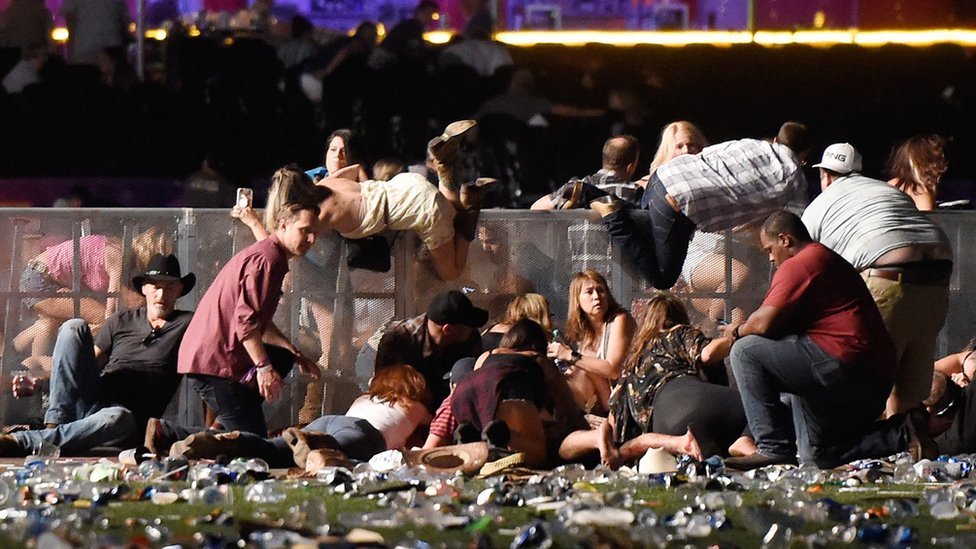


Las Vegas, known globally as the “Entertainment Capital of the World,” became the scene of unimaginable horror on the evening of May 28, 2025, when a gunman opened fire during a packed outdoor concert near the Las Vegas Strip. As music echoed through the night sky, panic erupted among thousands of concertgoers when bullets began raining down on the crowd, turning a joyful celebration into a mass casualty event.


According to the Las Vegas Metropolitan Police Department (LVMPD), at least 20 people have been confirmed dead, and more than 80 others are injured, some critically. The suspected shooter, described as a lone male armed with a high-powered rifle, was neutralized by authorities at the scene. As investigators continue to piece together the timeline of events, the city is left grappling with yet another senseless act of mass violence.

A Night of Music Turns Deadly
The attack took place at approximately 9:45 p.m. local time, during the Desert Echoes Music Festival, an open-air event that had drawn more than 15,000 attendees to the Las Vegas Festival Grounds. Headliner performances had just begun when gunfire erupted from an elevated position, reportedly a hotel room on the 17th floor of a nearby building.
Witnesses described a terrifying scene as rapid bursts of gunfire pierced the music, initially mistaken for fireworks. When the crowd realized what was happening, chaos ensued. Attendees screamed, dropped to the ground, and scrambled for cover behind barricades, food trucks, and stage equipment.
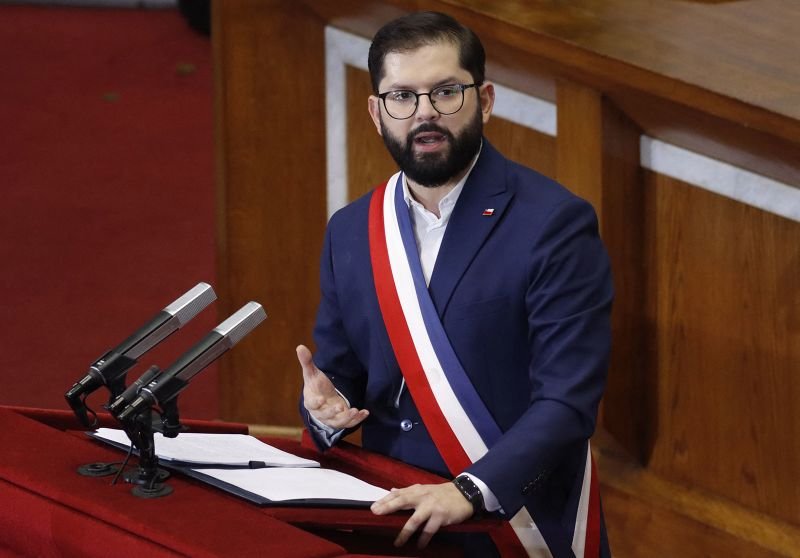
One survivor, 26-year-old concertgoer Kayla Simmons, recounted the moment the shooting began:
“It was like a nightmare. One moment we were dancing and singing, the next we were running for our lives. People were falling, screaming, covered in blood. I don’t know how I made it out.”
Police Response and Neutralization of the Shooter
LVMPD officers and on-site security personnel quickly mobilized as the shots rang out. Within minutes, officers had identified the source of the gunfire: a window from the upper floor of the adjacent Oasis View Hotel, located across the street from the concert venue.
According to Sheriff Raul Martinez, officers breached the hotel room within 20 minutes of the first 911 call and found the suspected shooter deceased, having reportedly taken his own life before authorities entered. Multiple weapons, including semi-automatic rifles, handguns, and thousands of rounds of ammunition, were recovered from the room.
Investigators have not yet released the gunman’s identity pending notification of next of kin, but initial reports indicate he was a 42-year-old male with no known criminal record, a Nevada resident who had checked into the hotel several days prior.
The Human Toll: Victims and Survivors
As daylight broke over Las Vegas, the full extent of the tragedy began to emerge. Emergency services transported more than 80 victims to local hospitals, including University Medical Center and Sunrise Hospital, where trauma teams worked through the night. Many of the injured suffered gunshot wounds to the chest, abdomen, and limbs, while others sustained injuries in the stampede that followed the attack.
Among the confirmed dead were a schoolteacher, a retired military veteran, and at least two teenagers attending the concert with their families. Several victims have yet to be identified, and authorities have set up a family reunification center for those seeking loved ones.
Hospital spokesperson Dr. Miriam Alston stated:
“This is one of the most devastating mass casualty events we’ve ever seen. The injuries are severe, and we expect the death toll may rise. Our thoughts are with every family affected by this tragedy.”
National Shock and Presidential Response
As news of the shooting spread across the nation, tributes and messages of support began pouring in. Flags across federal buildings were ordered to be flown at half-mast by President James Carlton, who addressed the nation from the White House early the next morning.
“We are heartbroken by the senseless violence that claimed so many lives in Las Vegas. We stand with the victims, their families, and the heroic first responders who risked everything to protect others. America mourns with Las Vegas.”
Governor of Nevada, Lena Rodriguez, has declared a state of emergency, releasing additional resources for hospitals and emergency personnel and urging citizens to donate blood.
Investigation Underway: Motive Remains Unclear
As of now, the motive behind the attack remains unclear. The FBI has joined local authorities in the investigation, with terrorism not immediately suspected but not ruled out.
Authorities are examining the shooter’s digital footprint, financial records, travel history, and any known associations. A laptop, mobile phone, and several documents were recovered from the hotel room. Surveillance footage shows the suspect bringing in multiple bags over several days.
LVMPD has also urged the public to come forward with any video footage or eyewitness accounts that might aid the investigation.
Gun Violence in the United States: A Persistent Crisis
The Las Vegas shooting marks yet another entry in a growing list of mass shootings in the United States, and has reignited the national debate over gun control, mental health, and public safety. According to the Gun Violence Archive, the U.S. has already seen more than 220 mass shootings in 2025 alone.
This tragedy is reminiscent of the October 1, 2017, Route 91 Harvest Festival shooting, also in Las Vegas, where 60 people were killed and over 400 injured in the deadliest mass shooting in modern U.S. history. Despite previous legislative efforts, meaningful gun reform remains politically contentious, with deep divides between advocates of stricter regulations and defenders of Second Amendment rights.
Senator Melissa Andrews of Nevada said in a press briefing:
“We cannot allow this to keep happening. It’s time to put politics aside and prioritize lives. One more dead child is one too many.”
Security Measures and Public Events Under Review
In the wake of the shooting, concert venues, hotels, and event organizers across the country are re-evaluating security protocols. The Desert Echoes Music Festival had security personnel and metal detectors at entrances, but the attack from an off-site elevated position exposed the limitations of existing safety measures.
Experts suggest that event security must now include expanded surveillance, rooftop monitoring, and coordination with adjacent property owners. The Las Vegas Convention and Visitors Authority has convened an emergency task force to explore further preventive measures.
Event organizers nationwide have expressed concerns about liability, public trust, and attendance, especially during peak summer concert season.
Community Response: Mourning and Solidarity
Despite the horror, the Las Vegas community has responded with remarkable resilience. Vigils were held across the city, with thousands gathering at the Welcome to Las Vegas sign, laying flowers and lighting candles. Local churches and community centers have opened their doors to offer grief counseling and support.
Volunteers lined up in record numbers at blood donation centers, with some locations staying open 24 hours to meet demand. Online fundraisers for victims’ families have already raised hundreds of thousands of dollars.
One local resident, 54-year-old Tony Vasquez, said:
“This is our city. We’ve been through dark times before. We’ll grieve, we’ll heal, and we’ll stand together.”
Media Coverage and Ethical Considerations
Major media outlets have descended upon Las Vegas, broadcasting non-stop updates, survivor interviews, and police briefings. While comprehensive coverage is essential, several media watchdogs have urged news organizations to avoid glorifying the shooter by repeatedly sharing his name and background, a practice that some say can inspire copycat incidents.
Instead, many media platforms are focusing on the victims, the heroes, and the community’s resilience, seeking to shift the narrative toward healing and remembrance.
Path Forward: Healing and Accountability
As funerals are planned and hospitals continue treating the wounded, Las Vegas faces a long road to recovery. The city must balance immediate crisis response with deeper questions about security, mental health, gun laws, and societal resilience.
There are growing calls for bipartisan legislative action at both the state and federal level, including:
-
Stricter background checks
-
Red flag laws
-
Ban on high-capacity magazines
-
Improved mental health care and reporting systems
Whether this tragedy will spur lasting change remains to be seen, but for many, this is a turning point they refuse to let pass silently.
Conclusion: A City Changed, A Nation Watching
The concert shooting in Las Vegas is not just another statistic—it’s a heartbreaking reminder of the fragility of peace in public spaces. For the victims and their families, life has been irrevocably altered. For the nation, it is yet another call to confront the deep-rooted challenges of gun violence, public safety, and mental health.
In the coming days, investigators will uncover more details, policymakers will debate, and families will bury loved ones. But even as pain endures, so too will stories of courage: of strangers shielding others from bullets, of medics treating wounds under fire, of a community rising together in sorrow and strength.
In memory of those lost, may this be a moment not just of grief—but of resolve.








