




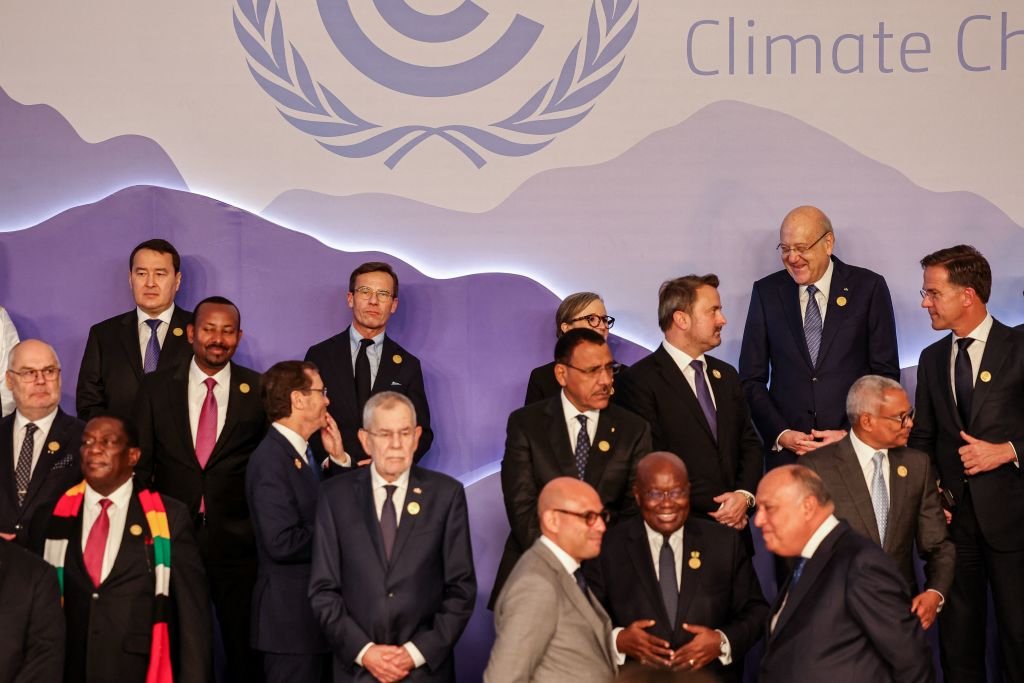


In a landmark event underscoring the urgency of climate change, world leaders, top scientists, environmental activists, and international policymakers have convened in Geneva, Switzerland, for the Global Climate Leadership Summit 2025. This critical meeting comes amid mounting global temperatures, unprecedented weather events, and a widening gap between climate commitments and actual progress. The primary objective: to negotiate the future of international climate agreements and develop unified strategies for global carbon reduction.

Held at the United Nations European Headquarters in Geneva, the summit marks a pivotal moment for the international community as it seeks to reinvigorate the global climate agenda, reassess national pledges under the Paris Agreement, and accelerate the path toward net-zero emissions by mid-century.

The Stakes Are Higher Than Ever
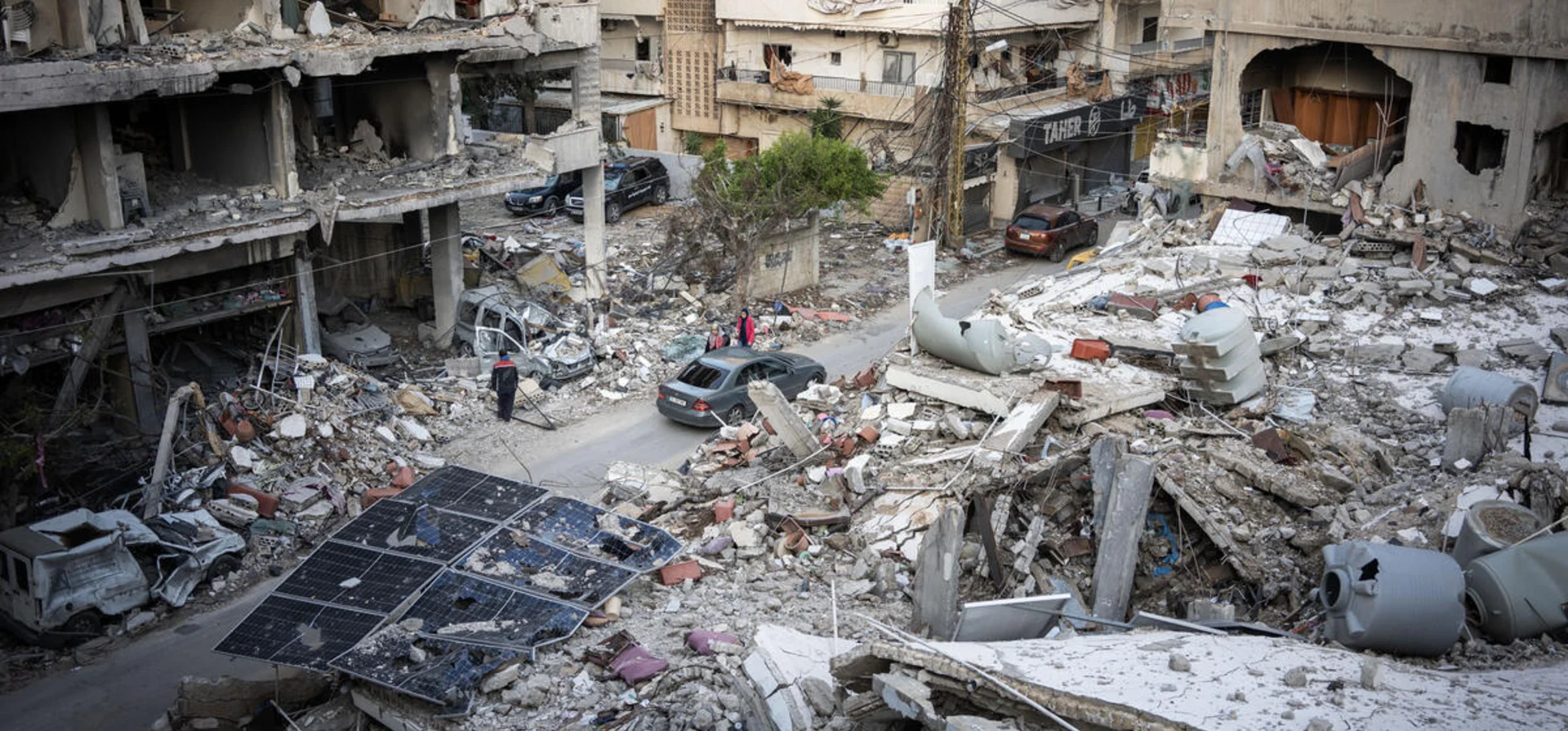
With 2024 being recorded as the hottest year in history, climate scientists have issued dire warnings. Wildfires have ravaged parts of North America, Europe, and Australia, while floods and droughts have devastated communities in Asia and Africa. Rising sea levels continue to threaten coastal cities, and biodiversity loss is accelerating at alarming rates.
Against this backdrop, the Geneva summit presents a unique opportunity to realign global climate ambitions with scientific imperatives. The Intergovernmental Panel on Climate Change (IPCC) has made it clear: to avoid the worst impacts of climate change, global carbon emissions must be cut by 43% by 2030 compared to 2019 levels, and net-zero must be reached by 2050.

“The window for action is closing rapidly,” said Dr. Sofia Mendes, a lead climate scientist at the summit. “This summit must deliver more than words—it must ignite transformative action.”
Attendance and Key Stakeholders
Representatives from over 190 countries, including heads of state, climate ministers, and special envoys, are participating in the summit. Notably present are U.S. President Linda Thompson, Chinese Premier Zhang Wei, Indian Prime Minister Anjali Rao, and European Commission President Klaus Schneider. The high-level presence underscores the summit’s importance in shaping the next phase of global climate governance.
Also in attendance are major international organizations such as the United Nations Framework Convention on Climate Change (UNFCCC), World Bank, International Monetary Fund (IMF), World Health Organization (WHO), and International Energy Agency (IEA). Civil society groups, indigenous leaders, youth activists including representatives from Fridays for Future and Extinction Rebellion, and corporate leaders from sustainable industries have also been given prominent speaking roles.
Reimagining Climate Agreements: From Paris To Geneva
One of the central goals of the Geneva summit is to strengthen and expand the Paris Agreement, the landmark 2015 accord that sought to limit global warming to well below 2°C, preferably 1.5°C. However, recent assessments reveal that current national pledges—known as Nationally Determined Contributions (NDCs)—are insufficient to meet this goal.
The Geneva Climate Compact (GCC), a proposed successor or supplementary framework to the Paris Agreement, is under negotiation. This new compact aims to introduce legally binding emissions targets, standardized monitoring mechanisms, and stricter enforcement protocols.
“We are past the point of voluntary ambition,” declared UN Secretary-General Amina Al-Mahdi in her opening speech. “The Geneva Climate Compact must be a binding commitment, not an aspirational wish.”
Focus on Carbon Reduction Strategies
Throughout the weeklong summit, sessions have focused on various strategies for carbon reduction:
-
Energy Transition: Leaders discussed the phasing out of coal, expansion of renewables, and investment in next-generation energy technologies like green hydrogen and advanced nuclear power.
-
Carbon Pricing and Taxation: Several countries proposed a unified global carbon pricing mechanism to internalize the environmental costs of greenhouse gas emissions. Economists argue that a global carbon tax could generate billions in green development funds.
-
Forest Conservation and Land Use: Recognizing the role of forests as carbon sinks, discussions included mechanisms for preserving the Amazon, Congo Basin, and Southeast Asian rainforests through sustainable development and indigenous stewardship.
-
Carbon Capture and Storage (CCS): Technological solutions like direct air capture and underground CO₂ storage are being evaluated as essential tools, especially for hard-to-abate sectors such as cement and steel.
-
Agricultural Reform: With agriculture contributing a significant share of emissions, leaders debated practices like regenerative farming, methane-reducing livestock management, and soil carbon sequestration.
-
Green Finance: Banks and financial institutions are pledging to divest from fossil fuels and fund clean energy initiatives. The Climate Finance Accord, a new public-private initiative launched in Geneva, aims to raise $2 trillion annually for climate projects by 2030.
Bridging the Global Divide: Justice and Equity
A recurring theme in the summit is climate justice—ensuring that developing nations, who are often the least responsible but most affected by climate change, receive adequate support. The Global South has called on industrialized nations to fulfill the $100 billion annual climate finance pledge, which remains only partially met.
African and Pacific Island nations are pushing for a Loss and Damage fund to compensate for climate-related destruction, such as rising seas and extreme weather. Meanwhile, small island states are demanding relocation and resettlement programs, backed by international guarantees.
“The burden must be shared fairly,” said Fijian President Mara Tui. “Climate change is not just an environmental issue; it’s an existential one.”
Youth and Indigenous Voices Lead the Charge
In one of the most powerful moments of the summit, 17-year-old Kenyan climate activist Asha Mutua addressed the assembly, calling for urgent action and intergenerational accountability. “We are the ones inheriting your decisions. Please don’t let your legacy be one of inaction.”
Indigenous representatives from the Amazon, Arctic, and Southeast Asia also took the stage, reminding the world that traditional ecological knowledge must guide conservation efforts. “We’ve been protecting nature for millennia,” said Lena Anaktuvuk of the Inuit Circumpolar Council. “Include us, or risk failing again.”
Controversies and Diplomatic Friction
Despite a generally unified front, tensions have flared behind closed doors. Some oil-producing nations have resisted calls for complete fossil fuel phase-outs, preferring “gradual reduction pathways” and reliance on carbon offsets. Negotiations have also been complicated by geopolitical rivalries, particularly between China, the U.S., and the EU over technological leadership and responsibility sharing.
There was heated debate over Article 6 of the Paris Agreement, which governs international carbon markets. Critics argue it allows wealthy countries to “buy their way out” of cutting domestic emissions, while advocates claim it promotes cost-effective mitigation.
Technological Innovation and the Private Sector
In a special technology showcase, companies from around the world presented breakthrough climate solutions—ranging from AI-driven smart grids and biodegradable batteries to low-carbon concrete and lab-grown meat. The Geneva Innovation Pavilion highlighted the crucial role of startups and corporations in accelerating decarbonization.
Microsoft, Tesla, and a coalition of clean-tech firms pledged billions in new investments, while IKEA and H&M committed to achieving carbon-neutral supply chains by 2030.
“Solving climate change is the biggest business opportunity of our time,” said Elon Musk during a virtual panel. “But it requires courage, capital, and cooperation.”
The Road Ahead: Commitments and Timelines
As the summit nears its conclusion, negotiators are working tirelessly to finalize the Geneva Declaration—a nonbinding but influential statement of shared goals. Key anticipated outcomes include:
-
Revised and enhanced NDCs from major emitters
-
A framework for the Geneva Climate Compact
-
Expansion of climate adaptation financing
-
Creation of a global carbon pricing task force
-
Establishment of climate resilience metrics for infrastructure and health
A follow-up summit is scheduled for 2026 in Rio de Janeiro to assess progress and hold signatories accountable.
Conclusion: A Turning Point for Climate Action?
The Geneva summit stands as a potential turning point for global climate policy. As leaders weigh economic priorities, political risks, and planetary survival, the message from scientists and citizens is clear: the time for delay has passed. What remains is the choice between transformative action and collective failure.
The decisions made in Geneva will shape the climate trajectory of the 21st century—whether the world will face runaway warming or begin a path to sustainable prosperity.
As delegates prepare to return home, the words of UN Secretary-General Al-Mahdi resonate: “History will judge us not by what we promised, but by what we delivered. The world is watching. Let us not disappoint.”