




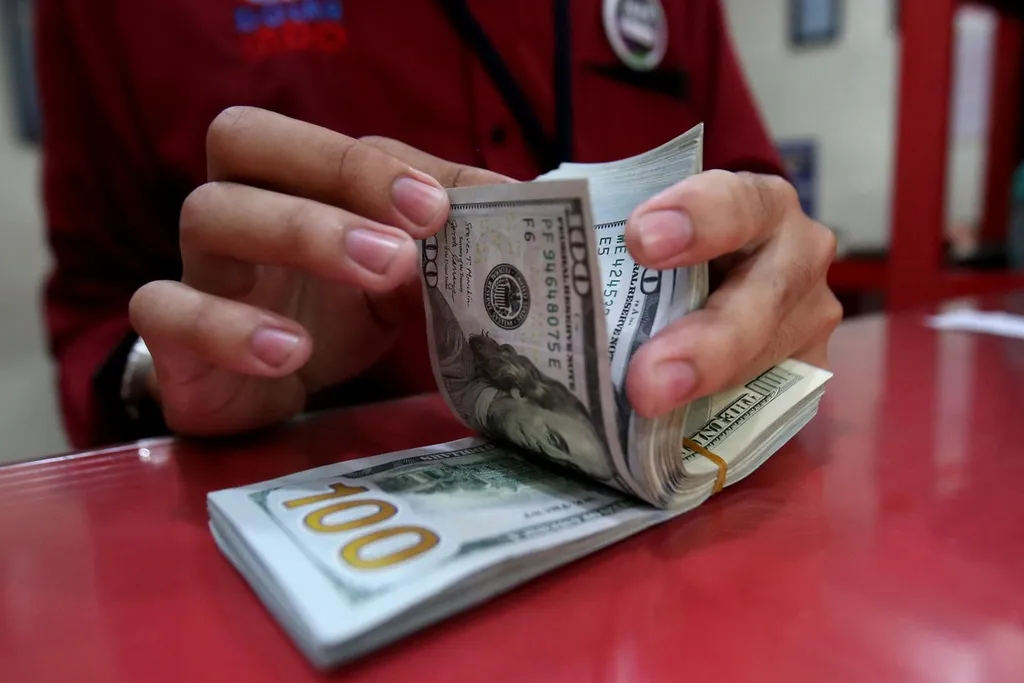

In recent years, the global financial system has faced a series of shocks — from pandemic disruptions and geopolitical conflicts to inflationary pressures and volatile commodity markets. For many emerging and developing economies, one of the most acute challenges has been the persistent devaluation of national currencies. This phenomenon has placed unprecedented strain on the banking systems, threatening not only macroeconomic stability but also public confidence, investor behavior, and the long-term viability of financial institutions.


As currencies weaken against major benchmarks like the US dollar and euro, banking sectors around the world are finding themselves under pressure. Liquidity constraints, rising foreign debt burdens, shrinking capital reserves, and heightened risk of defaults are becoming commonplace. This prolonged financial stress exposes systemic vulnerabilities, prompting calls for stronger regulation, monetary intervention, and institutional reform.

Currency Devaluation: What It Means and Why It Matters
Currency devaluation refers to a deliberate or market-driven reduction in the value of a country’s currency relative to foreign currencies. While moderate devaluation can sometimes boost exports and narrow trade deficits, prolonged or severe depreciation tends to signal deeper economic trouble.
In the banking context, currency devaluation can:

-
Increase the cost of repaying foreign-denominated debt, both for banks and their clients.
-
Lead to a decline in asset value, particularly if bank reserves are held in local currency.
-
Trigger capital flight, as investors and depositors move assets to more stable currencies.
-
Undermine public trust in the banking system, potentially causing runs on banks.
-
Weaken central banks’ ability to control inflation, interest rates, and monetary supply.
Banks are, by nature, highly sensitive to exchange rate fluctuations, and even more so in economies reliant on imports, foreign investment, or international borrowing.
Factors Driving Ongoing Currency Devaluation
The current wave of currency devaluations in low- and middle-income countries is fueled by several interconnected factors:
1. Global Interest Rate Hikes
As central banks in developed economies, particularly the US Federal Reserve and the European Central Bank, continue to raise interest rates to combat inflation, capital tends to flow out of emerging markets back into “safer” assets. This exodus leads to a decline in the value of emerging market currencies.
2. Trade Imbalances
Countries that import significantly more than they export experience persistent foreign currency shortages, weakening their domestic currency over time.
3. Debt Overhang
Many governments and corporations borrowed heavily in foreign currencies during periods of low global interest rates. Now, servicing that debt has become costlier as local currencies lose value.
4. Commodity Price Volatility
For commodity-exporting countries, falling prices in key sectors like oil, copper, or agricultural products reduce foreign exchange earnings, further depleting reserves and weakening currencies.
5. Geopolitical Instability
Political unrest, armed conflict, and international sanctions have led to a loss of investor confidence, accelerated capital flight, and mounting pressure on national currencies.
Impact on Banking Systems
Currency devaluation directly impacts the financial health of banks in numerous ways, which can vary depending on the structure and exposure of each banking system. Here are the most common areas affected:
1. Foreign Currency Loan Defaults
In many countries, businesses and individuals take loans denominated in US dollars or euros. When the local currency depreciates, repayment becomes more expensive, often leading to a spike in non-performing loans (NPLs). This erodes banks’ balance sheets and requires higher capital reserves.
2. Liquidity Crunch
As clients withdraw foreign currency or convert their local currency deposits to dollars or other stable currencies, banks face liquidity shortages. Without adequate foreign reserves, they may be unable to meet obligations or process international transactions.
3. Capital Erosion
If a bank holds a significant portion of its capital in local currency, devaluation reduces the real value of that capital. This can push banks below minimum regulatory thresholds, triggering emergency capital raises or government intervention.
4. Investment Flight and Currency Substitution
Depositors and investors may lose faith in the local banking system and opt to hold assets offshore or in physical cash (dollarization). This undermines domestic lending and reduces banks’ ability to mobilize savings into productive investments.
5. Credit Contraction
To manage risk, banks often tighten credit conditions during periods of currency volatility. This contraction limits business expansion, weakens small and medium-sized enterprises (SMEs), and can stifle economic recovery.
Case Studies: A Global Phenomenon
Argentina
Argentina has experienced persistent currency devaluation for years, with the peso losing over 90% of its value since 2018. The country’s banking system has responded with tight capital controls, restrictions on foreign exchange, and reliance on dual currency markets. Despite these efforts, public confidence remains low, and inflation has soared past 100%, leading to dollarization of savings and investments.
Nigeria
The Nigerian naira has come under heavy pressure due to declining oil revenues, reduced foreign reserves, and increased demand for dollars. The Central Bank of Nigeria recently allowed more market-driven exchange rate mechanisms, which led to a sharp devaluation. Banks are now struggling with a surge in FX-denominated NPLs and declining margins.
Turkey
Turkey’s lira has been in freefall, partly due to unorthodox monetary policies and geopolitical tensions. While the country’s banking sector remains capitalized, pressure is mounting due to inflation, high corporate debt, and increasing demand for foreign currency. Swap lines and foreign investments have provided temporary relief, but underlying issues remain.
Regulatory Responses and Central Bank Measures
In the face of rising pressure, central banks and financial regulators are adopting a range of strategies to stabilize the banking sector and manage the fallout from currency devaluation.
1. Foreign Exchange Controls
Several countries have imposed currency restrictions, such as limits on international transfers, mandatory conversion of export earnings, or bans on foreign currency lending to non-exporting firms.
2. Reserve Requirement Adjustments
To boost liquidity, central banks are adjusting reserve ratios or injecting capital into the banking system through open market operations and discount windows.
3. Monetary Tightening
In an attempt to shore up currency value and curb inflation, many regulators are raising interest rates, despite the risk of slowing economic growth and increasing loan defaults.
4. Capital Injections and Bailouts
Governments are stepping in with recapitalization packages or state guarantees for troubled banks. While this can restore short-term confidence, it also raises concerns about fiscal sustainability.
5. Deposit Insurance and Public Communication
Maintaining public trust is key. Regulators are enhancing deposit protection schemes and launching campaigns to reassure depositors, minimize panic, and prevent bank runs.
Long-Term Implications for Economic Stability
If not properly managed, the convergence of currency devaluation and banking sector distress can lead to:
-
Banking crises, requiring systemic bailouts or restructurings.
-
Credit contraction, deepening recessions and increasing unemployment.
-
Hyperinflation, as currency confidence deteriorates further.
-
External debt defaults, risking exclusion from international markets.
-
Institutional instability, as faith in central banks and regulators erodes.
Conversely, economies that respond with transparency, sound monetary policy, and institutional reform can use the crisis as a catalyst for modernization and resilience.
Recommendations and Future Outlook
To reduce pressure on banking systems and stabilize currencies, experts recommend a multi-pronged approach:
1. Diversification of Economies
Reducing dependency on imports and primary commodities can help strengthen national currencies and protect banking systems from external shocks.
2. Strengthening Bank Resilience
Capital adequacy, risk management practices, and stress testing protocols must be improved to withstand currency volatility and external disruptions.
3. Promoting Local Currency Use
Encouraging transactions and lending in local currencies can reduce exposure to FX risks. This requires building public confidence, stabilizing inflation, and improving monetary credibility.
4. Regional Currency Cooperation
Regional monetary frameworks, such as currency swap agreements or pooled reserve funds, can offer relief during crises and reduce dependency on external currencies.
5. Digital and Fintech Solutions
Technology can help enhance transparency, streamline cross-border payments, and offer alternatives to traditional banking structures vulnerable to currency volatility.
Conclusion: A Critical Juncture for Global Finance
The ongoing currency devaluations and their impact on banking systems represent a pivotal moment for global finance. While advanced economies are grappling with inflation and interest rate policy, emerging markets are fighting to preserve monetary stability and prevent a banking crisis.
This is not just a financial issue — it’s a deeply human one. When banks fail, savings are lost, businesses close, and livelihoods suffer. The ability of policymakers, regulators, and banks themselves to navigate this storm will determine whether nations emerge more resilient or further weakened.
The path ahead is uncertain, but one thing is clear: the intersection of currency and banking stability must be treated not as isolated phenomena, but as interconnected components of a healthy, inclusive, and robust economy.