





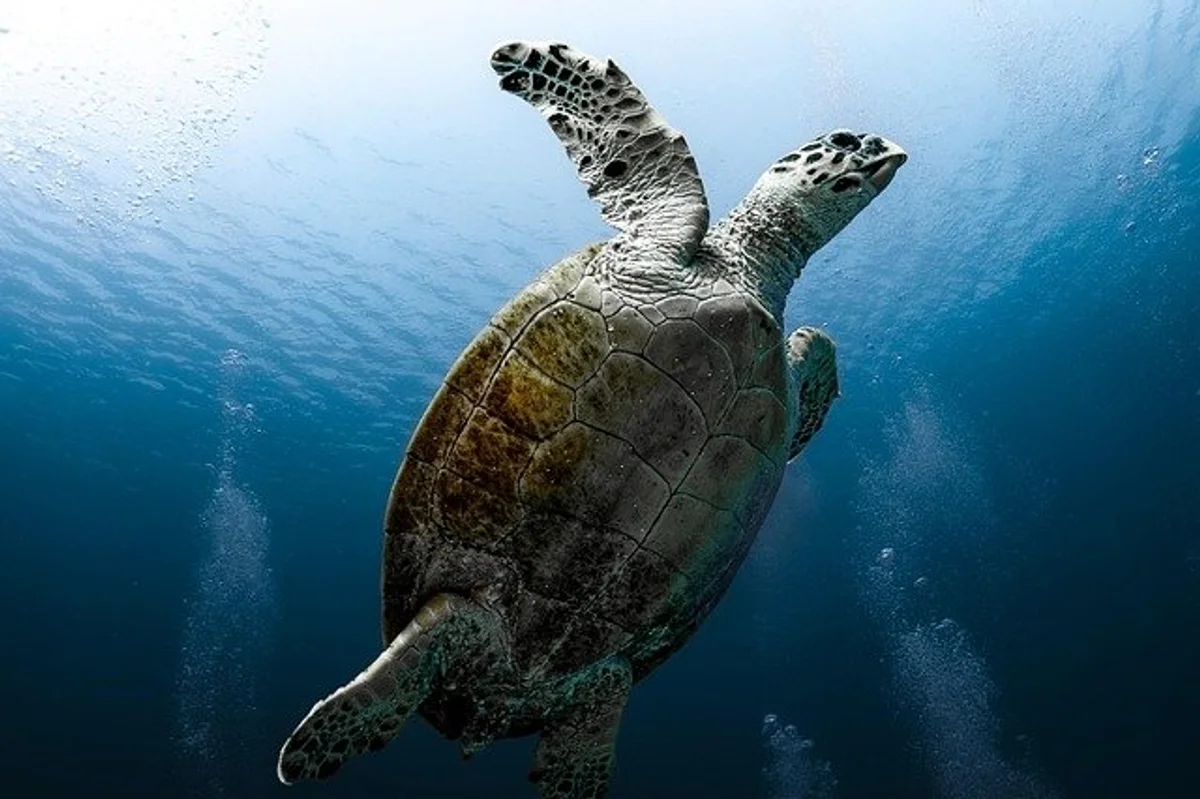


As climate change accelerates, one of the most pressing and visible consequences is the rapid warming of our oceans. Marine biologists around the world are raising urgent alarms about the long-term ecological impacts this trend may unleash—impacts that are not only devastating to marine biodiversity but also profoundly disruptive to the global economy, coastal communities, and food security.

The Alarming Rise In Sea Temperatures
According to the National Oceanic and Atmospheric Administration (NOAA), the world’s oceans have absorbed over 90% of the excess heat generated by greenhouse gas emissions since the 1970s. Recent data indicate that global ocean temperatures are rising at an unprecedented pace, with surface waters reaching record highs year after year. In 2023, the North Atlantic and parts of the Pacific saw marine heatwaves lasting for months, disrupting local ecosystems and species distribution.

Marine heatwaves—periods when sea surface temperatures remain significantly above average for prolonged periods—have increased in frequency, intensity, and duration. These events are no longer isolated anomalies; they are becoming the new norm. Scientists emphasize that the ocean’s role as a planetary heat buffer is reaching its limits, and the consequences are becoming harder to ignore.
Coral Reefs: The Canary In The Coal Mine
One of the most iconic and vulnerable victims of ocean warming is the coral reef ecosystem. Coral reefs, often called the “rainforests of the sea,” support about 25% of all marine life despite covering less than 1% of the ocean floor. These ecosystems are highly sensitive to temperature changes. Even a rise of just 1°C above normal summer temperatures can lead to coral bleaching, a phenomenon where corals expel the symbiotic algae (zooxanthellae) they depend on for energy, turning white and becoming more susceptible to disease and death.
In 2016 and again in 2020, the Great Barrier Reef in Australia experienced massive bleaching events that affected more than half of its coral systems. Similar events have been recorded in the Indian Ocean, Southeast Asia, the Caribbean, and the Red Sea. Marine biologists warn that if global temperatures continue to rise at current rates, up to 90% of the world’s coral reefs could disappear by 2050, representing a catastrophic loss of biodiversity and ecosystem services.
Impact On Marine Species Distribution
Warming oceans are also forcing marine species to migrate toward cooler waters, often toward the poles or deeper ocean layers. This shift in species distribution is disrupting food chains and ecosystems that have remained stable for centuries. For example, fish species traditionally found in tropical regions are now appearing in temperate zones, altering predator-prey relationships and introducing new competition for native species.
These changes can have dramatic ripple effects. In the North Atlantic, cod populations have declined as they move to colder, deeper waters, impacting fisheries that have relied on them for generations. Similarly, the movement of squid, mackerel, and other commercially important species into new territories has created geopolitical tensions over fishing rights and quotas.
Fisheries And Food Security At Risk
Marine biologists and climate scientists are particularly concerned about the impact of warming seas on global fisheries. The oceans provide a primary source of protein for over 3 billion people worldwide, particularly in developing nations. As ocean temperatures rise and fish stocks shift, many small-scale fishing communities are seeing dramatic declines in catch volume and quality.
Ocean warming also disrupts the upwelling process, where nutrient-rich cold water from the deep ocean rises to the surface, supporting plankton growth—the foundation of the marine food web. In regions like the eastern Pacific and the Arabian Sea, reduced upwelling has led to plankton decline, threatening fish populations and the larger predators that depend on them.
In addition, increased ocean temperatures exacerbate the spread of marine diseases and harmful algal blooms (HABs), sometimes called “red tides.” These toxic blooms can contaminate shellfish, kill marine mammals, and render large stretches of ocean uninhabitable. Combined, these factors contribute to the growing unpredictability and instability of marine food resources.
Disruption Of Ocean Currents And Weather Patterns
The warming of the oceans doesn’t just impact marine life; it also influences the very systems that regulate our climate. Thermohaline circulation, or the global conveyor belt of ocean currents, depends on the differences in temperature and salinity to move heat and nutrients around the planet. As polar ice melts and warms the surrounding seawater, this circulation slows, with potentially disastrous consequences.
One major concern is the possible weakening or collapse of the Atlantic Meridional Overturning Circulation (AMOC), a key component of global heat transport. A slowdown of the AMOC could lead to severe cooling in parts of Europe, intensified droughts in the Sahel region of Africa, stronger hurricanes in the North Atlantic, and rising sea levels along the U.S. East Coast.
These shifts would not only harm marine ecosystems but also impact agriculture, water availability, and human settlement patterns on land, demonstrating how deeply interconnected ocean health is with planetary stability.
Arctic And Antarctic Melting
At the poles, warming seas are accelerating the loss of sea ice and glaciers, further contributing to global sea level rise. The Arctic is warming four times faster than the rest of the planet, and as the sea ice disappears, it exposes darker ocean surfaces that absorb more heat, creating a feedback loop that amplifies warming.
In Antarctica, warming waters are melting the undersides of massive ice shelves, destabilizing them and raising concerns about sudden ice sheet collapse. The potential loss of the West Antarctic Ice Sheet alone could raise global sea levels by more than 3 meters (10 feet) over the coming centuries, with devastating impacts on coastal cities, habitats, and communities.
Ocean Acidification And Oxygen Loss
Another silent but deadly consequence of ocean warming is ocean acidification, caused by the absorption of excess atmospheric carbon dioxide (CO₂). Warmer waters can hold less gas, but as more CO₂ dissolves into the oceans, it forms carbonic acid, lowering pH levels. Acidification affects the ability of marine organisms like mollusks, crustaceans, and corals to build their calcium carbonate shells and skeletons.
At the same time, warming oceans are experiencing deoxygenation—a reduction in oxygen levels that threatens the survival of fish and other aerobic marine life. Dead zones, where oxygen is too low to support most life, are becoming more frequent and widespread, particularly in coastal regions affected by nutrient runoff and high temperatures.
Long-Term Ecological Tipping Points
Marine biologists warn that many of these changes could lead to ecological tipping points, where gradual shifts result in sudden, irreversible damage. For example, the loss of key species such as kelp, seagrass, or large predatory fish can destabilize entire ecosystems. Coral reefs may not recover once bleaching events surpass a certain frequency, while mangrove forests and salt marshes may retreat under rising seas, unable to reestablish inland due to human development.
These transformations are not hypothetical—they are already happening in places like the Caribbean, the Arctic, and the South Pacific. Scientists stress that once these tipping points are crossed, the damage may be permanent, altering Earth’s biosphere in ways that we can neither predict nor control.
Call To Action: What Needs To Be Done
Marine biologists are calling for urgent global action to mitigate these threats and preserve the oceans’ ecological balance. Key recommendations include:
-
Drastic Reduction Of Greenhouse Gas Emissions
Limiting global warming to 1.5°C above pre-industrial levels, as outlined in the Paris Agreement, is critical. This requires rapid transitions away from fossil fuels, investment in renewable energy, and widespread carbon reduction policies. -
Expansion Of Marine Protected Areas (MPAs)
Designating and effectively managing MPAs can help preserve biodiversity, allow ecosystems to recover, and build resilience against climate stress. Currently, less than 10% of the ocean is protected; scientists recommend increasing this to at least 30% by 2030. -
Sustainable Fisheries Management
Reducing overfishing and illegal fishing, implementing adaptive fishery practices, and supporting community-based marine stewardship are essential for maintaining healthy fish stocks and marine food security. -
Restoration And Conservation Projects
Initiatives to restore coral reefs, mangroves, and seagrasses can enhance carbon sequestration, protect shorelines from erosion, and support marine biodiversity. These projects must be inclusive and locally driven for long-term success. -
Public Awareness And Education
Increasing public understanding of ocean health and its links to climate change is vital. Through education, communities can become powerful advocates for ocean protection and sustainable practices. -
International Collaboration
Ocean issues are global in nature and require cooperative solutions. Strengthening marine governance, sharing scientific data, and supporting vulnerable coastal nations must be part of an integrated response.
Conclusion
As sea temperatures continue to rise at alarming rates, marine biologists are sounding the alarm about the profound and potentially irreversible changes occurring beneath the surface. From dying coral reefs to shifting fish populations, melting ice to collapsing food chains, the ecological impact of ocean warming is vast and multifaceted.
The ocean is the lifeblood of our planet. It regulates our climate, feeds billions, and supports an extraordinary array of life. Ignoring the warnings of marine scientists today means endangering our future tomorrow. It is no longer a question of if or when, but how we respond to the challenges ahead.
Preserving the health of our oceans is not just an environmental necessity—it is a moral, economic, and existential imperative. The time for action is now, before the tides of change become too powerful to reverse.








