






In the face of mounting economic challenges, a financial lifeline has been granted to support vital reforms and stabilize struggling economies in various regions. This lifeline—whether in the form of multilateral aid, loans from international financial institutions (IFIs), or bilateral support—comes at a critical juncture for nations grappling with inflation, currency depreciation, high debt burdens, and socio-political unrest. These financial injections are not merely about averting collapse—they represent a strategic effort to reset fiscal trajectories, promote good governance, and lay the groundwork for inclusive, long-term economic growth.
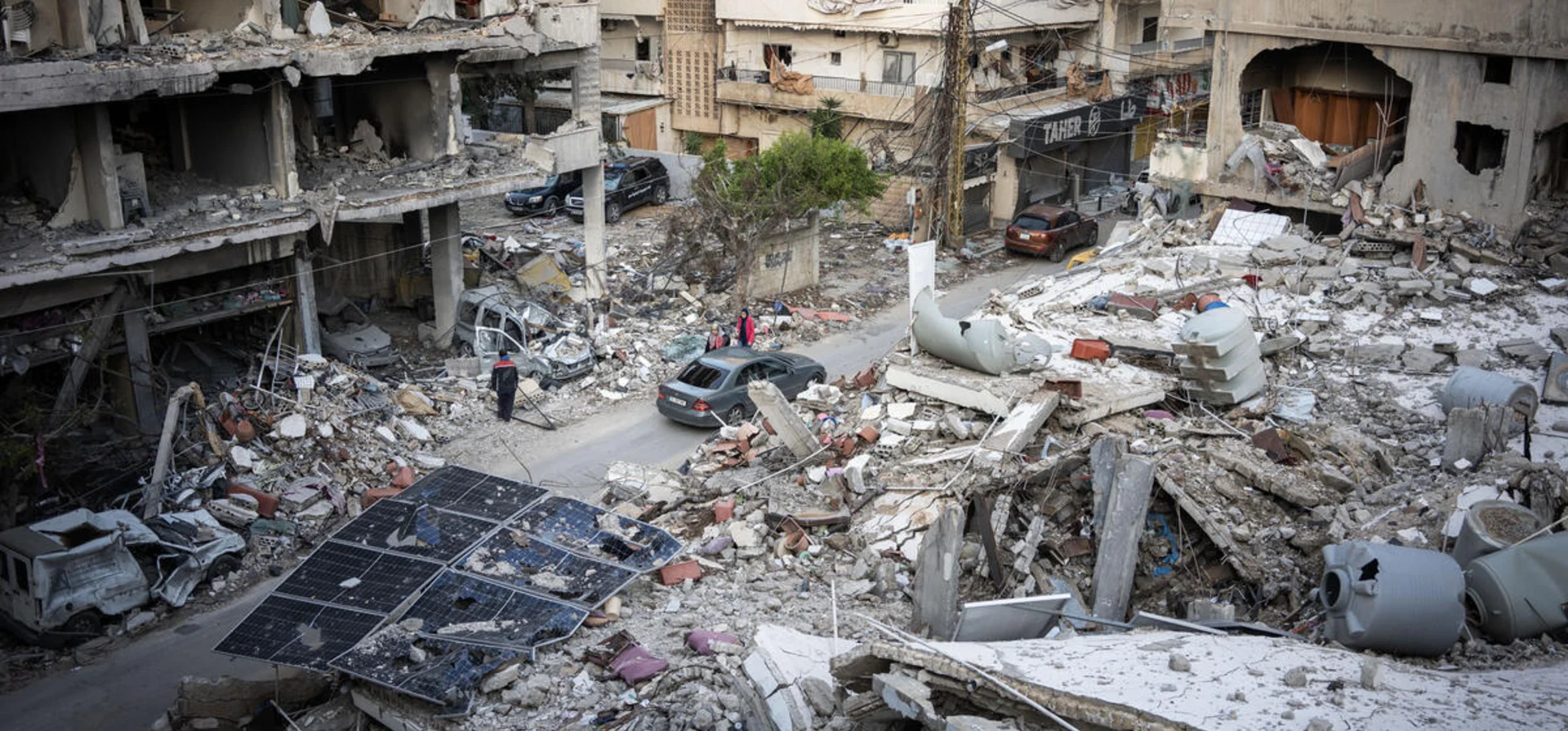

A Global Context Of Economic Turbulence
Over the past five years, the global economy has endured unprecedented shocks. The COVID-19 pandemic disrupted supply chains and labor markets, followed by the war in Ukraine, which sent energy and food prices skyrocketing. These events exposed the vulnerabilities of many low- and middle-income countries, particularly those dependent on imports, tourism, or a narrow commodity base.

High levels of external debt, depreciating currencies, shrinking foreign reserves, and widening fiscal deficits have left several countries teetering on the brink of default. In this context, the International Monetary Fund (IMF), World Bank, and regional development banks have stepped in to provide critical financing packages. These financial lifelines are typically tied to a set of policy reforms aimed at stabilizing economies and ensuring that the aid is used productively.
What Is A Financial Lifeline?
A financial lifeline refers to emergency financial support extended to a country facing a balance of payments crisis, debt crisis, or overall economic instability. This support often takes the form of:
-
Standby arrangements or extended fund facilities from the IMF
-
Budgetary support or development loans from the World Bank and regional development banks
-
Bilateral financial support from partner countries
-
Debt restructuring or suspension agreements
-
Access to special drawing rights (SDRs) and foreign currency reserves
Such assistance is generally conditional, meaning that recipient countries must implement a range of macroeconomic reforms to restore confidence, improve fiscal discipline, and attract further investment.
Case Study: Country X’s Reform Journey
To understand the practical impact of a financial lifeline, consider the hypothetical example of Country X, a mid-sized economy in Sub-Saharan Africa. Prior to receiving aid, Country X was battling a spiraling inflation rate of over 60%, a local currency that had lost 40% of its value in a single year, and foreign reserves that could barely cover one month of imports.
After months of negotiations, Country X secured a $3 billion loan from the IMF under an extended fund facility. The World Bank added a $500 million development policy loan, and a consortium of international donors pledged another $1.2 billion in grants and technical support.
This financial lifeline was disbursed in tranches, each conditional on achieving specific milestones such as:
-
Reducing fuel subsidies and redirecting funds toward social safety nets
-
Adopting a more flexible exchange rate regime
-
Increasing tax collection through digitalization and broadening the tax base
-
Reforming state-owned enterprises
-
Strengthening anti-corruption institutions and transparency mechanisms
Immediate Stabilization Effects
The most immediate benefit of the financial package was the stabilization of macroeconomic indicators. With an infusion of foreign currency, the central bank could manage the exchange rate more effectively, limiting volatility and restoring confidence in the local currency. This, in turn, helped reduce inflationary pressures, particularly on imported food and energy.
Investor confidence began to return, reflected in increased portfolio flows, improved bond yields, and positive outlooks from credit rating agencies. Key commodities such as fuel and fertilizer became more available, improving productivity in sectors like agriculture and transport.
Furthermore, budgetary support allowed the government to pay civil servants’ salaries, resume critical infrastructure projects, and provide emergency food aid to vulnerable communities.
Reforms As A Catalyst For Long-Term Transformation
While stabilization is the first objective, the ultimate goal of a financial lifeline is to catalyze deep, structural economic reforms. Without reforms, temporary support would only postpone the crisis. The assistance provided to countries like Country X focuses on:
1. Public Finance Management
One of the foundational reforms involves improving how governments manage revenues and expenditures. This includes adopting medium-term expenditure frameworks, curbing wasteful spending, and enhancing fiscal transparency. These measures ensure that public resources are allocated efficiently and responsibly.
2. Revenue Mobilization
A major focus of reforms is expanding the tax base and improving compliance. In many low-income countries, tax revenues constitute less than 15% of GDP. By embracing digital tax systems and reducing reliance on indirect taxes, governments can create a more equitable and sustainable revenue structure.
3. Governance And Anti-Corruption
Financial support often includes components that strengthen institutions tasked with fighting corruption. This involves establishing independent anti-corruption commissions, mandating asset declarations for public officials, and implementing procurement reforms. Transparent governance is essential for the credibility and success of any reform agenda.
4. Monetary And Exchange Rate Policy
Central banks are encouraged to adopt inflation-targeting frameworks and reduce direct interventions in currency markets. This helps to create more predictable monetary environments, which are essential for attracting investment and supporting private sector growth.
5. Business Climate And Investment Promotion
Many financial programs include policies to improve the ease of doing business—streamlining licensing processes, enforcing property rights, and reducing red tape. These efforts aim to unlock the potential of the private sector and promote job creation.
6. Social Protection And Inclusion
Reforms are more politically and socially sustainable when they are paired with robust social safety nets. Many financial lifelines include funding for targeted cash transfer programs, school feeding initiatives, and health subsidies to protect the most vulnerable populations during adjustment periods.
Political Risks And Social Pushback
Implementing reforms tied to international financial aid is often politically contentious. Measures such as subsidy removals, public sector wage freezes, and tax hikes can provoke public backlash and social unrest. In Country X, mass protests erupted after fuel prices doubled, despite government assurances of increased welfare transfers.
To mitigate this, governments and IFIs must ensure that reforms are accompanied by:
-
Clear communication strategies to explain why reforms are needed and how citizens will benefit
-
Gradual implementation timelines to allow households and businesses to adjust
-
Robust monitoring and grievance mechanisms to ensure transparency and build public trust
In many cases, successful reform requires the political will of leadership and the engagement of civil society, labor unions, and the private sector.
Role Of International Financial Institutions
Institutions such as the IMF and World Bank play a critical role not just as lenders, but as partners in economic transformation. They provide:
-
Technical expertise to design and implement reforms
-
Monitoring frameworks to track progress and accountability
-
Platforms for donor coordination, ensuring that all partners work toward shared objectives
-
Catalytic funding, encouraging additional private and public investment
Their involvement also signals to markets that a country is taking credible steps to stabilize and reform, which can unlock further bilateral and commercial support.
Success Stories And Lessons Learned
Over the past two decades, several countries have successfully emerged from crisis with the help of financial lifelines:
-
Ghana (2000s) undertook fiscal and monetary reforms that laid the foundation for strong growth in the 2010s.
-
Indonesia (late 1990s) overcame a crippling financial crisis through IMF-backed reforms that strengthened its banking system and regulatory institutions.
-
Greece (2010s) endured painful austerity but eventually restored macroeconomic stability and returned to capital markets.
From these experiences, several key lessons emerge:
-
National ownership of reforms is crucial—governments must lead the process with vision and commitment.
-
Public buy-in is essential—transparency, inclusion, and communication matter.
-
Flexibility in program design allows for adaptive responses to changing conditions.
-
Sustained support beyond short-term stabilization is necessary for long-term resilience.
Looking Ahead: Toward Resilience And Sustainability
The ultimate goal of any financial lifeline is to help countries transition from crisis management to sustainable development. This involves not just fixing budgets and balancing payments, but building economies that are resilient, inclusive, and green.
In the wake of global shocks like climate change and pandemics, many new financial packages include components that promote:
-
Climate-smart agriculture and renewable energy
-
Digital transformation and innovation ecosystems
-
Resilient infrastructure
-
Gender equality and youth empowerment
These elements align with broader frameworks such as the United Nations’ Sustainable Development Goals (SDGs) and the African Union’s Agenda 2063, aiming to create long-term prosperity for all.
Conclusion
A financial lifeline granted to support economic reforms and stabilization is more than just a bailout—it is a blueprint for transformation. At its best, it offers countries a second chance to correct course, restore confidence, and build the foundations of a more prosperous and equitable future.
However, the success of such efforts depends on far more than money. It requires political courage, institutional capacity, inclusive dialogue, and sustained commitment to reform. It is a journey of difficult choices, but one that holds the promise of renewed hope for millions of people seeking a better life in the face of economic adversity.