





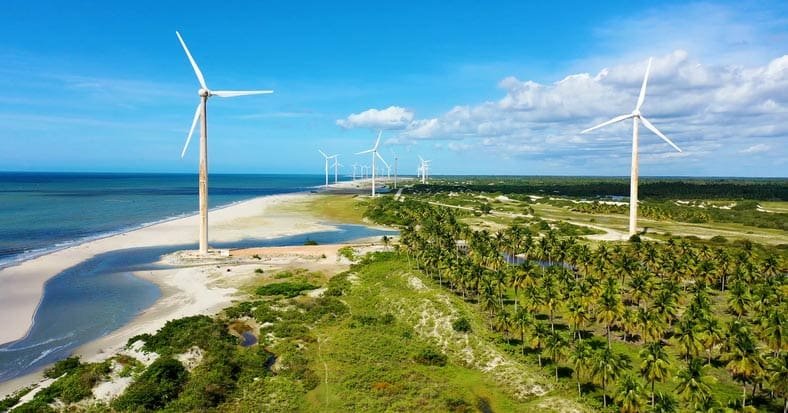


As the world confronts the dual crises of climate change and energy insecurity, Brazil has emerged as a critical player in the global energy transition. With vast natural resources, a historically strong hydropower sector, and growing investments in solar, wind, and biofuels, Brazil’s renewable energy policies are not just transforming its own economy—they are also poised to influence the energy trajectory of the entire Latin American region.


This article explores how Brazil’s renewable energy strategies are shaping the regional energy landscape, the specific policies driving this transition, the challenges that remain, and the opportunities for broader Latin American cooperation. Brazil’s success or failure in implementing these policies could determine whether Latin America becomes a leader in clean energy or continues to rely on fossil fuels amid growing climate and economic pressures.

1. Brazil’s Renewable Energy Landscape: A Strong Foundation
Brazil is often lauded for having one of the cleanest energy mixes in the world among large economies. According to the Brazilian Energy Research Office (EPE), over 80% of Brazil’s electricity comes from renewable sources, compared to the global average of around 30%.
a. Hydropower Dominance
Brazil’s renewable energy success story begins with hydropower, which supplies about 60–65% of its electricity. The country’s vast river systems, especially in the Amazon and Paraná basins, have enabled the development of major hydroelectric facilities like Itaipu and Belo Monte.

However, recent droughts and environmental concerns about mega-dams have led Brazil to diversify its renewable portfolio, especially toward wind, solar, and bioenergy.
b. Wind and Solar Growth
Brazil is experiencing a surge in wind and solar energy investments, particularly in the Northeast, where the wind patterns are consistent and the sun shines year-round. In 2024, wind and solar accounted for nearly 18% of the electricity matrix, with projections estimating this figure could reach 30% by 2030.
c. Bioenergy and Ethanol Leadership
Brazil has also been a global leader in biofuels, especially ethanol derived from sugarcane. Its Proálcool program, launched in the 1970s, made ethanol a significant alternative to gasoline. Flex-fuel vehicles, which run on both gasoline and ethanol, are widely used, and Brazil’s bioenergy sector remains a model for sustainable fuel development.
2. Key Renewable Energy Policies in Brazil
Brazil’s success in renewable energy is underpinned by robust policies, regulatory frameworks, and market mechanisms. Here are some of the most impactful:
a. Net Metering and Distributed Generation
The net metering system (known as “compensação de energia”) allows households and businesses to install rooftop solar panels and sell excess power back to the grid. The policy, introduced in 2012 and updated in 2022, has helped solar energy installations grow exponentially, particularly in residential and small commercial sectors.
b. Auctions and Long-Term Contracts
Brazil pioneered the use of competitive energy auctions to procure new generation capacity. Since 2005, these auctions have provided long-term contracts (up to 20–30 years) for wind, solar, and bioenergy developers. This model has:
-
Attracted international investment,
-
Reduced electricity costs,
-
Created a predictable regulatory environment.
c. Green Financing and BNDES Support
Brazil’s national development bank, BNDES, has played a vital role in financing large-scale renewable energy projects through:
-
Low-interest loans,
-
Green bonds,
-
Credit guarantees.
These financial tools have made it easier for developers to invest in new technologies and scale up renewable projects, especially in regions with lower infrastructure.
d. National Energy Plans (PNE)
The government’s Ten-Year Energy Expansion Plans (PNE) lay out strategic objectives and forecasts. The current PNE targets:
-
Over 45% renewable energy in total energy mix (not just electricity),
-
Significant reductions in GHG emissions,
-
Continued investment in transmission infrastructure to connect renewables to demand centers.
3. Regional Influence: Exporting Policy and Technology
As Brazil deepens its commitment to renewable energy, it is beginning to export its policy models, technology, and expertise across Latin America.
a. Energy Diplomacy and Regional Integration
Brazil participates in several regional initiatives that aim to create integrated electricity markets, such as:
-
Mercosur energy dialogue,
-
The South American Energy Council (UNASUR),
-
Bilateral electricity interconnections with Argentina, Paraguay, and Uruguay.
Through these platforms, Brazil advocates for:
-
Cross-border electricity trade,
-
Joint infrastructure investment,
-
Harmonized renewable standards.
b. Knowledge and Technology Sharing
Brazilian firms like Embraer (biofuels) and Neoenergia (wind and solar) are collaborating with neighboring countries to develop:
-
Distributed energy systems,
-
Renewable grid integration models,
-
Sustainable transportation infrastructure.
Brazil’s success in biofuels, particularly ethanol, is a template now being considered by countries like Colombia, Peru, and Mexico. Brazil has also supported regional R&D networks focused on tropical solar technologies and battery storage.
c. Role in Climate Diplomacy
At climate summits, Brazil is increasingly positioning itself as a regional clean energy leader. Its pledges under the Paris Agreement include:
-
Net-zero deforestation by 2030,
-
Reducing carbon intensity in energy and agriculture,
-
Providing technical support to smaller Latin American nations.
If successful, Brazil could shape Latin America’s collective climate narrative, emphasizing sustainable development without sacrificing growth.
4. Opportunities for Latin America
Brazil’s renewable energy trajectory presents several opportunities for broader regional transformation:
a. Economic Diversification
Many Latin American economies rely heavily on fossil fuel exports. By transitioning to renewables:
-
They can reduce exposure to volatile oil markets,
-
Stimulate green job creation,
-
Develop new industrial sectors (e.g., solar panel manufacturing, lithium batteries).
b. Grid Resilience and Access
Through interconnection projects and decentralized generation models (like Brazil’s solar cooperatives), other countries can:
-
Improve energy access in rural areas,
-
Enhance resilience against climate-related disruptions,
-
Lower costs for consumers.
c. Investment Magnet
As global investors seek ESG-aligned projects, Brazil’s success can attract capital to the region. Multilateral institutions like the Inter-American Development Bank (IDB) are already funding regional clean energy programs inspired by Brazil’s policy innovations.
5. Challenges That Brazil—and the Region—Must Address
Despite the progress, Brazil’s energy transition faces significant challenges that could also affect regional ambitions:
a. Environmental Trade-Offs
Large hydropower projects have displaced communities, flooded ecosystems, and damaged biodiversity. As Brazil builds more infrastructure, it must confront the social and ecological costs of renewable development.
b. Transmission Bottlenecks
Much of Brazil’s solar and wind potential lies in remote areas. Connecting these resources to demand centers in the Southeast requires major investments in transmission lines, often delayed by regulatory hurdles or local opposition.
c. Political Volatility
Brazil’s energy policies have shifted significantly with political changes. The uncertainty over environmental protections, indigenous rights, and climate targets during past administrations has undermined investor confidence. A stable, bipartisan energy vision is essential.
d. Unequal Access to Benefits
Energy transitions often create winners and losers. Rural communities, informal workers, and marginalized groups must be included in policymaking and benefit-sharing to ensure the transition is just and equitable.
6. The Road Ahead: Brazil as a Regional Catalyst
If Brazil continues to lead on renewable energy, its impact on Latin America could be transformative. Here’s how:
a. Green Hydrogen Leadership
Brazil’s vast renewable capacity positions it well to become a major exporter of green hydrogen, particularly to Europe and Asia. If regional partnerships develop around hydrogen corridors, Latin America could become a clean energy powerhouse.
b. Regional Renewable Grid
The creation of a Latin American renewable grid, powered by Brazil’s surplus and interconnected to neighboring systems, could:
-
Balance electricity loads,
-
Prevent blackouts,
-
Lower regional electricity costs.
c. Climate-Resilient Development Model
Brazil can help the region shift away from a fossil-fuel-based development model toward one rooted in sustainability, equity, and innovation. This would not only cut emissions but also improve public health, education, and economic resilience.
Conclusion: A Continental Turning Point
Brazil’s renewable energy policies are more than domestic strategies—they are the seeds of a regional transformation. With its strong foundation in hydropower, expanding solar and wind sectors, and decades of experience with biofuels, Brazil has the tools and credibility to lead Latin America toward a clean energy future.
But leadership requires more than technology. It demands vision, cooperation, and a commitment to social and environmental justice. If Brazil rises to the occasion, it could inspire a new era of energy sovereignty, climate leadership, and sustainable growth across Latin America.
In a region long dependent on commodity exports and fossil fuels, Brazil’s path may offer the blueprint for a greener, fairer, and more resilient future.








