







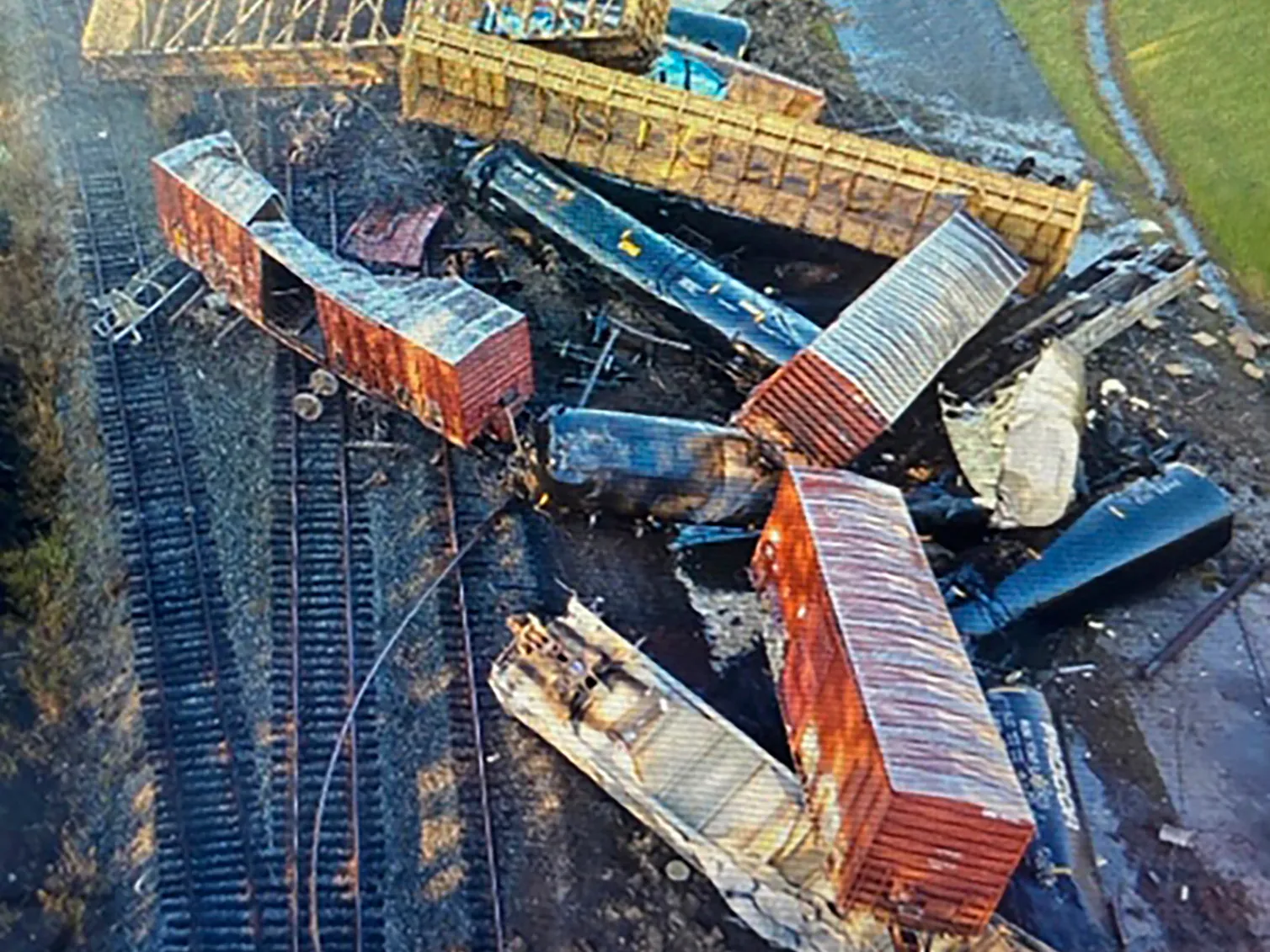


In a dramatic turn of events that has shaken communities across southeastern Texas, a freight train transporting hazardous materials derailed in the early hours of Monday morning. The derailment, which occurred just outside the town of Dayton in Liberty County, has prompted emergency evacuations, drawn in federal safety investigators, and raised urgent environmental concerns.


Residents woke to the sound of a thunderous crash followed by rising plumes of black smoke as multiple train cars jumped the tracks and ignited, some carrying flammable or toxic chemicals. Emergency responders rushed to the scene and implemented swift evacuation protocols, covering a radius of approximately five miles from the impact zone. Though no fatalities have been reported, several individuals have been hospitalized with respiratory issues, and the full extent of the environmental damage remains uncertain.
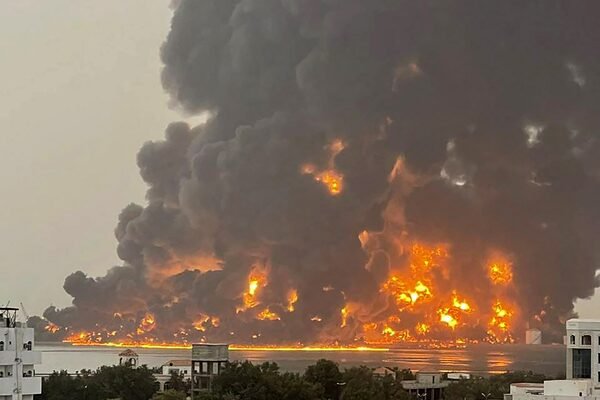
This incident underscores the growing challenges surrounding the transport of dangerous industrial materials by rail, especially in areas with dense populations or sensitive ecosystems.
Timeline of the Incident
At approximately 2:38 AM local time, the 112-car freight train operated by Lone Star Freight Lines was traveling southbound on the Union Pacific rail corridor when 23 cars derailed near a crossing on FM 1960, a rural highway just outside of Dayton. Witnesses reported hearing a loud metallic screech followed by multiple explosions.

The Liberty County Sheriff’s Office confirmed that several of the derailed cars were carrying hazardous substances including vinyl chloride, benzene, and butane—chemicals known for their high volatility and serious health risks. Within minutes, large sections of the train were engulfed in flames, with fire crews from nearby counties mobilized to contain the blaze.
Evacuation and Emergency Response
Local authorities acted swiftly, issuing an emergency evacuation order for homes, schools, and businesses within a five-mile radius of the crash site. By 4:00 AM, the evacuation had begun in earnest, assisted by police vehicles and loudspeaker announcements. Temporary shelters were quickly established in neighboring towns, with assistance from the Red Cross and other relief organizations.
Liberty County Judge Mark Golden declared a state of emergency by mid-morning, allowing for rapid deployment of additional resources and coordination with state and federal agencies. Texas Governor Maria Lopez also issued a statement, expressing concern for the affected residents and promising a full investigation.
“We are working with federal partners, environmental experts, and emergency crews to ensure public safety and environmental protection,” Governor Lopez said. “The people of Texas deserve answers, and they will get them.”
Hazardous Materials Involved
Initial assessments confirmed that several derailed cars were transporting hazardous materials, including:
-
Vinyl Chloride: Used in the production of PVC plastics, this colorless gas is highly flammable and carcinogenic. Long-term exposure can lead to liver damage and cancer.
-
Benzene: A widely used industrial solvent, benzene is also flammable and known to cause bone marrow failure and leukemia with prolonged exposure.
-
Butane: A gas often used in fuel mixtures, highly explosive in confined environments.
Environmental protection agencies quickly deployed air and soil testing units to measure contamination levels. Preliminary readings indicated elevated levels of airborne pollutants in the immediate vicinity, prompting extended evacuation orders for downwind communities.
Public Health Concerns
Though the fires were largely contained by noon, the smoke cloud lingered in the atmosphere, with meteorologists warning of potential health impacts depending on wind patterns. Dozens of residents reported symptoms such as headaches, dizziness, nausea, and irritation of the eyes and throat.
Dr. Elena Ramirez, a toxicologist at the University of Texas Medical Branch, expressed concern over the long-term effects of exposure to the chemicals involved.
“Even short-term exposure to substances like vinyl chloride and benzene can have severe consequences, particularly for children, the elderly, and individuals with pre-existing respiratory conditions,” Dr. Ramirez noted.
Hospitals in Liberty and Harris counties set up special triage areas to treat those experiencing symptoms. As of Tuesday morning, over 60 individuals had received medical attention, with at least nine remaining under observation.
Environmental Impact
The derailment occurred near the Trinity River, a crucial waterway that supports both ecological diversity and municipal water supply systems. Officials from the Texas Commission on Environmental Quality (TCEQ) have expressed concern about potential runoff from the site contaminating nearby creeks that feed into the river.
Containment booms and filtration systems were deployed by late Monday, but environmental experts warn that chemical seepage into the soil and water table could have long-lasting effects. The Environmental Protection Agency (EPA) has launched an environmental impact study to assess the scope of contamination and determine long-term remediation needs.
“This could be one of the most serious environmental accidents Texas has seen in recent years,” said Clara Thompson, an environmental engineer with the EPA. “We’re working around the clock to prevent a broader disaster.”
Investigating the Cause
The National Transportation Safety Board (NTSB) has dispatched a team of investigators to examine the derailment. Early reports suggest that a track defect or mechanical failure may have played a role, though sabotage and human error have not been ruled out. A black box data recorder has been recovered from the locomotive, and maintenance records are under review.
NTSB spokesperson Alan Nguyen told reporters, “We’re in the preliminary stages of the investigation, but we will leave no stone unturned. Our mission is to find out what happened and prevent it from happening again.”
Union Pacific has pledged full cooperation with the investigation and has suspended freight services along the affected corridor until further notice.
Community Reaction
For residents of Dayton and surrounding communities, the derailment has reignited long-standing concerns about the transportation of hazardous materials through rural and residential areas. Protests and public meetings have already begun, with citizens demanding tighter safety regulations and more robust emergency preparedness measures.
Maria Jenkins, a local resident who had to flee with her three children, said, “We’ve complained about these trains for years. They go right by our homes, our schools. It was only a matter of time before something like this happened.”
Local leaders have echoed these concerns, calling for a comprehensive review of railroad safety protocols and more transparent communication between rail companies and the communities they traverse.
Rail Industry Under Scrutiny
This derailment comes amid a series of similar accidents across the United States, fueling criticism of the rail industry’s safety practices and regulatory oversight. Advocates argue that decades of deregulation, cost-cutting, and insufficient investment in infrastructure have created dangerous conditions for both workers and the public.
Congress is now facing pressure to revisit proposed rail safety legislation that had stalled in committee. Lawmakers on both sides of the aisle have indicated a willingness to reconsider mandatory brake system upgrades, hazmat transport restrictions, and increased funding for federal inspectors.
Senator Rachel Owens of Texas has called for an emergency hearing, stating, “We need to know why trains carrying deadly chemicals are rolling through our neighborhoods with minimal oversight and outdated safety equipment.”
Looking Ahead
While cleanup crews work around the clock to stabilize the site and contain contamination, the people of Liberty County are left with questions—and trauma. The immediate physical danger may have passed, but the psychological and economic aftershocks will reverberate for months, if not years.
Insurance claims are expected to soar, and small businesses near the derailment zone may face prolonged closures due to safety concerns. Local schools remain shut down, and families are unsure when—or if—they’ll be able to return to their homes.
State and federal disaster assistance programs have been activated, and mobile health units are being deployed to provide ongoing support to affected residents.
Conclusion
The derailment of a freight train carrying hazardous materials in Texas is a sobering reminder of the risks inherent in modern industrial transport. While officials work to understand the causes and mitigate the damage, the incident has sparked renewed debate about the balance between economic efficiency and public safety.
As the investigation unfolds and cleanup continues, one thing is clear: communities across America will be watching closely—and demanding change.








