







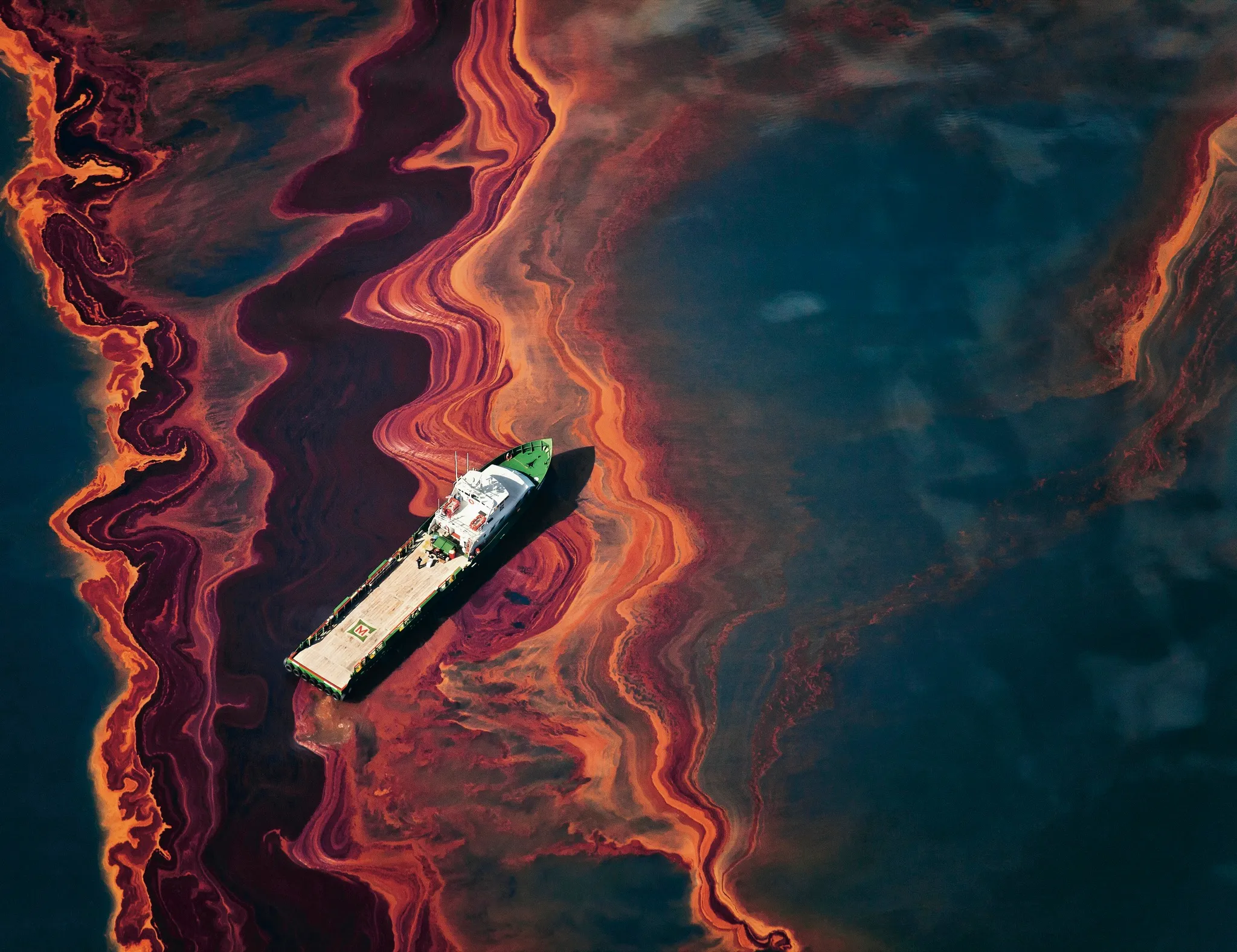


On the morning of May 25, 2025, environmental disaster struck the Gulf of Mexico as a ruptured undersea pipeline released an estimated 1.8 million barrels of crude oil into the waters off the coast of Louisiana. This incident is now being described as one of the most severe oil spills in recent decades, with a slick stretching over 600 square kilometers and growing by the hour.
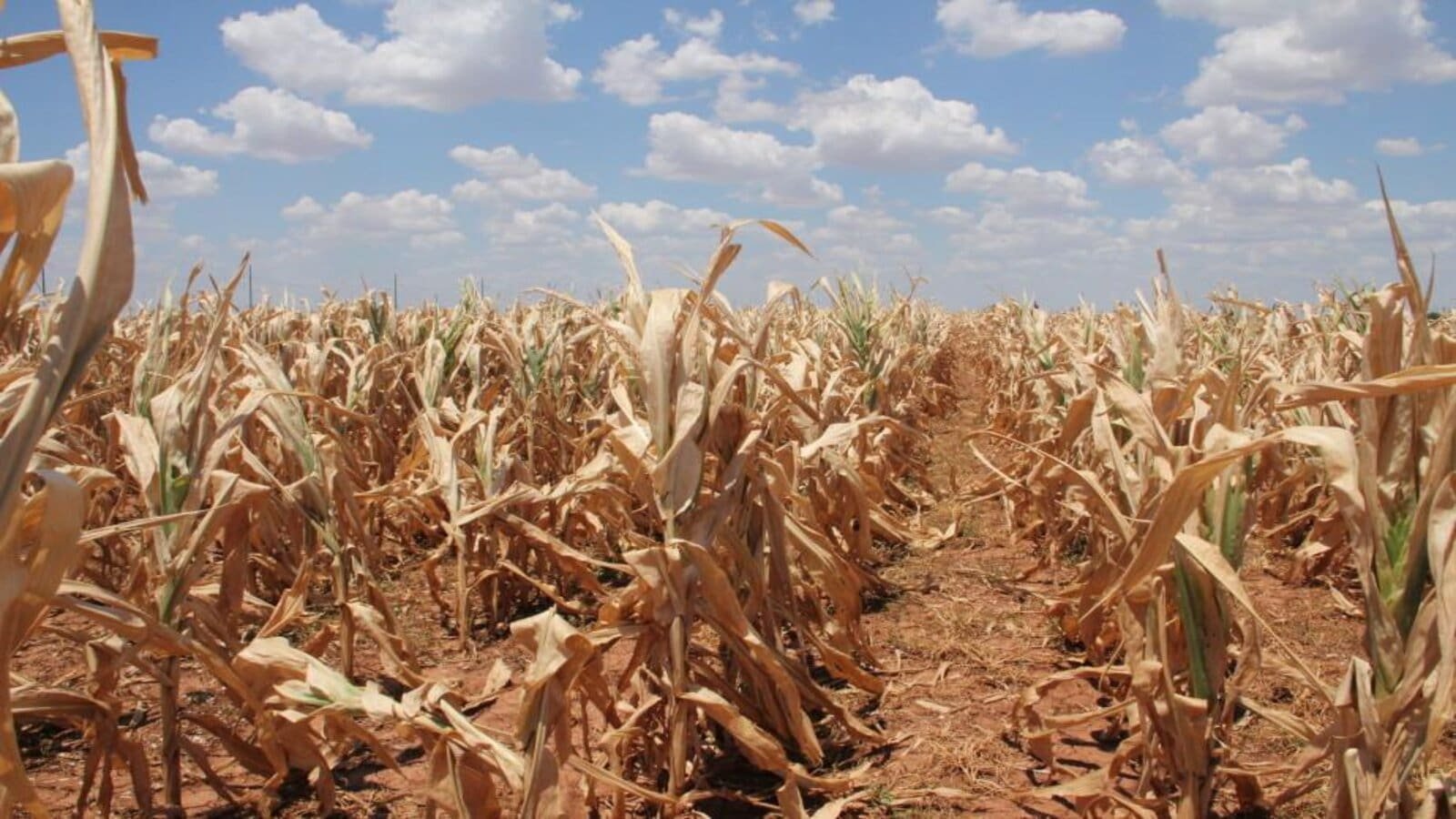

The catastrophe has already begun to devastate marine ecosystems, coastal communities, and fisheries. With thousands of marine animals at risk and cleanup efforts underway but struggling, global attention is now focused on the unfolding ecological and economic crisis in the Gulf.
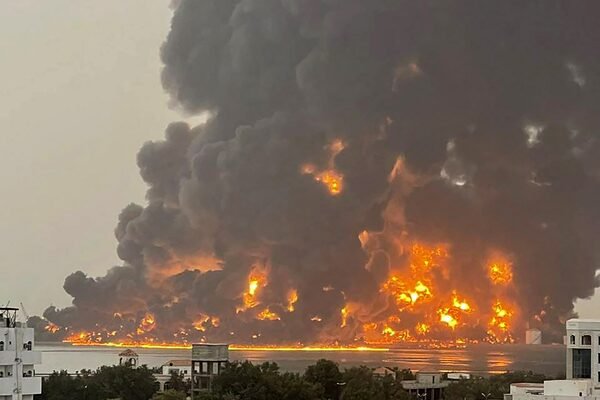
The Incident: Pipeline Failure and Immediate Aftermath
According to the U.S. Coast Guard, the pipeline, owned and operated by GulfTrans Energy Corporation, experienced a sudden pressure drop around 2:40 a.m. on May 25. The failure occurred approximately 80 kilometers offshore in a deep-sea section of the pipeline that transports crude oil from offshore rigs to refining terminals along the Gulf Coast.
Divers and remotely operated vehicles later confirmed a major rupture along a 12-meter segment of the pipeline, believed to have been caused by metal fatigue combined with aging infrastructure. Environmental activists and regulatory watchdogs have long warned about the vulnerability of aging pipelines in the Gulf, but little was done in recent years to replace or upgrade this key segment.

By the time emergency valves were shut, millions of gallons of oil had already gushed into the ocean, forming a rapidly expanding slick that soon began drifting toward ecologically sensitive coastal areas.
Impact on Marine Life and Ecosystems
The Gulf of Mexico is home to one of the richest and most diverse marine ecosystems in the Western Hemisphere. Unfortunately, it is also particularly vulnerable to oil contamination. Marine biologists warn that the spill threatens countless species of fish, dolphins, sea turtles, crustaceans, and seabirds.
Early reports from environmental organizations on the ground indicate that dozens of dolphins and sea turtles have already washed ashore, covered in crude oil. Migratory birds nesting along the Louisiana coastline are also being found dead or incapacitated. Coral reefs in the vicinity of the spill are in danger of being suffocated by the thick, toxic sludge.
The National Oceanic and Atmospheric Administration (NOAA) has issued an ecological disaster alert, forecasting significant long-term impacts on spawning grounds for commercially vital species such as shrimp, red snapper, and grouper.
“This spill is catastrophic for marine life,” said Dr. Isabel Márquez, a marine ecologist at the University of Florida. “It will take years, possibly decades, for ecosystems in the Gulf to recover from this scale of pollution.”
Coastal Communities in Crisis
In addition to ecological damage, the spill has deeply affected the livelihoods of thousands of residents in coastal towns that depend on fishing, tourism, and aquaculture. Shrimp boats and fishing vessels have been grounded, and many seafood processing facilities have halted operations due to contamination fears.
Beaches in Louisiana, Mississippi, and parts of Alabama have already been closed to the public, and tourists are canceling summer bookings at an alarming rate. Local business owners, from hotel managers to bait shop operators, are expressing deep concern over the sudden economic blow.
“This is worse than Hurricane Ida for us,” said Josiah Beaumont, a fisherman in Plaquemines Parish, Louisiana. “The fish are gone, the waters are poisoned, and we don’t know when or if we’ll be able to work again.”
Cleanup Efforts and Federal Response
The federal government has activated the National Response Framework and deployed teams from the Environmental Protection Agency (EPA), Coast Guard, and Department of the Interior to the site. Emergency skimmer ships, oil booms, and chemical dispersants are being used to contain the spread of the slick.
President James Carlton has declared a federal state of emergency and visited the region on May 27, pledging that the government will “spare no effort or resources to protect the people, wildlife, and environment of the Gulf.”
However, critics argue that the response has been slow and insufficient. Environmental groups accuse both the company and government agencies of underestimating the scope of the disaster and failing to invest in adequate preventative infrastructure.
Greenpeace USA issued a statement condemning the fossil fuel industry’s “reckless disregard for environmental safety,” calling this incident “a predictable outcome of weak regulation and corporate negligence.”
Corporate Accountability and Legal Fallout
GulfTrans Energy Corporation, the operator of the pipeline, has acknowledged responsibility for the spill and issued an apology. In a press release, CEO Leonard Grayson stated: “We take full responsibility for the failure in our pipeline and are committed to cleaning up the damage and compensating affected communities.”
Despite this, legal experts are already predicting a wave of lawsuits. Class-action suits are being prepared by fishing cooperatives, tourism operators, and environmental justice organizations. The Department of Justice has launched an investigation into whether GulfTrans violated the Clean Water Act, which could result in billions of dollars in fines.
“The law is very clear,” said legal analyst Monica Chow. “If negligence is proven, the company could face massive civil penalties and even criminal charges.”
A History of Repeated Disasters
This spill is painfully reminiscent of the Deepwater Horizon disaster in 2010, which released more than 4 million barrels of oil into the Gulf over 87 days. While safety protocols were strengthened in the years following that disaster, many were later relaxed or poorly enforced.
The current disaster raises urgent questions about whether the United States has learned enough from past mistakes. Environmentalists warn that the reliance on aging oil infrastructure and underinvestment in renewable alternatives makes future disasters not just likely—but inevitable.
“It’s history repeating itself,” said Jane Forester, director of Clean Coast Watch. “Until we transition away from fossil fuels, we will keep endangering our oceans and communities.”
Global Repercussions and Climate Debate
The incident is not only a domestic concern—it has sparked international outrage and reignited global debates over fossil fuel dependency. Environmental activists around the world are using the disaster to call for stricter regulations and faster moves toward green energy.
At the recent Global Energy Summit in Berlin, European Union leaders cited the Gulf spill as further proof that reliance on oil and gas is unsustainable. Protests have erupted in several major cities, demanding that governments divest from fossil fuel companies and invest in wind, solar, and clean transportation.
United Nations Secretary-General António Guterres condemned the spill, stating: “This is yet another wake-up call. Our planet cannot bear the burden of continued environmental degradation. We must act decisively and urgently.”
The Science of Oil Spill Damage
Scientific research on oil spills shows that crude oil exposure can cause both immediate and long-term harm to marine organisms. Polycyclic aromatic hydrocarbons (PAHs), found in crude oil, are toxic to fish embryos and can disrupt reproductive cycles.
In the short term, the oil suffocates marine mammals, damages feathers and insulation of birds, and poisons food chains. In the long term, it lingers in sediments and bioaccumulates in organisms, causing chronic illnesses and deformities.
Dr. Paul Rivers, an oceanographer at Texas A&M University, warns that “even with aggressive cleanup, much of the oil will sink or disperse into microdroplets, making it impossible to fully remove from the environment.”
A Long Road to Recovery
Even under the best circumstances, the cleanup process for a spill of this magnitude could take months, if not years. Experts predict that full ecological recovery will likely take decades, with some habitats potentially never returning to their original state.
Restoration plans include deploying absorbent materials, rehabilitating injured wildlife, and funding mangrove replanting and marsh recovery. However, the road ahead is complex, expensive, and politically charged.
The federal government has promised a long-term recovery fund, but environmental groups worry that once the media attention fades, so too will the urgency for action and accountability.
Conclusion: A Turning Point or Business as Usual?
As the oil continues to spread across the Gulf of Mexico, choking marine life and disrupting human livelihoods, the world faces a crucial choice. Will this disaster be a catalyst for real change, or will it fade into the long list of environmental tragedies met with temporary outrage and permanent inaction?
The answers lie in how governments, corporations, and citizens respond in the days and weeks to come. For now, the Gulf fights for breath, and the world watches, again reminded of the devastating cost of environmental negligence.








