









Across Africa, a new political era is emerging — defined by shifting power dynamics, generational change, and the redefinition of policy priorities. In many countries, long-standing political elites are being challenged by reformist leaders, young movements, and expanding civic demands. This continental shift is not only transforming the political landscape but also redrawing national and regional policy agendas, from climate change and digital transformation to governance, economic equity, and social inclusion.

This political realignment is complex and uneven. While some regions are experiencing a deepening of democratic principles, others are grappling with coups, repression, or populism. Nonetheless, the broader trend signals a recalibration of governance models — with increasing emphasis on people-centered policies, regional integration, and homegrown solutions.
This article explores the drivers of Africa’s political shift, key changes in policy direction, the role of youth and civil society, and what these transformations mean for the continent’s future.
I. Drivers of Political Transformation
1. Generational Transition and Youth Demographics
Africa is the youngest continent in the world. Over 60% of its population is under the age of 25. This demographic trend is increasingly influencing political outcomes. Youth are demanding inclusive governance, job creation, digital access, and an end to corruption and repression.
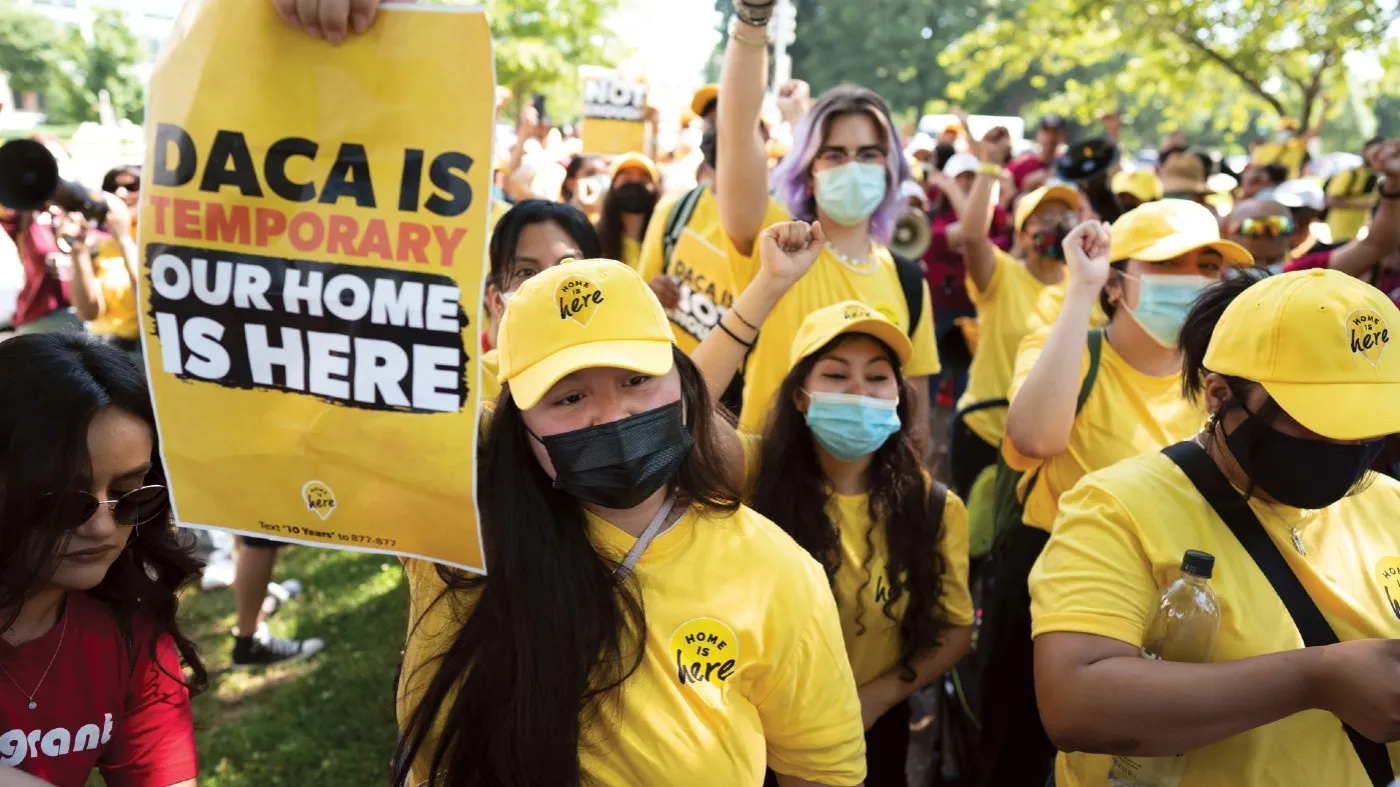
Political parties, especially in urban centers, are now being forced to speak the language of innovation, transparency, and opportunity. In Nigeria, Kenya, Ghana, and Senegal, for example, young activists and candidates are challenging traditional party structures with reformist platforms.
2. Digital Connectivity and Civic Mobilization
Social media and digital technology have dramatically altered the way politics functions. Campaigns, protests, and policy debates now unfold in real-time, often beyond government control.
Movements such as #EndSARS in Nigeria, #FeesMustFall in South Africa, and #NoMore in Ethiopia have shown that digital platforms can mobilize millions, elevate unheard voices, and hold leaders accountable. This shift has prompted policymakers to become more responsive — or risk backlash.
3. Economic Pressures and the Post-COVID Reality
Africa’s economies are still reeling from the impact of the COVID-19 pandemic, compounded by the effects of inflation, climate-related disasters, and disruptions in global trade. These challenges have forced political leaders to rethink priorities, moving beyond ideological posturing toward more pragmatic governance focused on food security, health systems, local manufacturing, and debt restructuring.
4. Regional Instability and Geopolitical Realignment
Coups in Mali, Burkina Faso, Guinea, and Niger have upended regional norms and sparked debate on the legitimacy and responsiveness of democratic institutions. In parallel, competition between global powers — such as China, the U.S., Russia, and the EU — for influence in Africa is shaping new foreign policy alignments.
As a result, many African countries are seeking greater autonomy in foreign relations and investing in continental cooperation mechanisms, such as the African Continental Free Trade Area (AfCFTA) and the African Union’s Agenda 2063.
II. Redrawing Policy Priorities
With political changes come new policy directions — both domestically and across regional blocs. Some of the most prominent policy shifts include:
1. Governance and Anti-Corruption
Anti-corruption has emerged as a dominant policy theme across Africa. From Kenya to Angola, new administrations are pledging to root out systemic graft and strengthen institutions. Specialized anti-corruption courts, asset recovery mechanisms, and open procurement systems are gaining traction.
In Zambia, President Hakainde Hichilema’s government has made transparency a central pillar. Similarly, in Tanzania, President Samia Suluhu Hassan has taken steps to revive civic trust and restore accountability after years of authoritarian practices.
2. Economic Diversification and Industrialization
Many African countries are shifting away from resource dependency by investing in manufacturing, agribusiness, technology, and services. Governments are emphasizing value addition, domestic production, and youth entrepreneurship.
For instance, Ethiopia’s industrial parks strategy, Rwanda’s innovation hubs, and Ghana’s “One District, One Factory” initiative reflect a continental push toward inclusive industrial development.
3. Green and Climate-Smart Policies
Climate change is no longer a distant issue — it’s a daily reality for millions in Africa. The political shift is driving climate-conscious policymaking, including:
-
Investments in solar and wind power.
-
Climate-resilient agriculture.
-
Land restoration and water conservation.
Kenya, South Africa, and Morocco are leading renewable energy programs, while the Great Green Wall initiative in the Sahel reflects cross-border climate cooperation.
4. Health and Human Capital Investment
The COVID-19 pandemic laid bare the fragility of Africa’s health systems. In response, countries are increasing public health spending, local vaccine production, and telemedicine initiatives.
At the same time, education and skills training are being reprioritized, with a focus on digital literacy, STEM education, and vocational programs. These efforts align with broader ambitions to develop a knowledge economy.
5. Regional Integration and Pan-Africanism
The political shift is also strengthening continental policy alignment. AfCFTA is not just an economic tool but a symbol of African unity and self-reliance. Political leaders are now aligning domestic policies with regional frameworks to facilitate cross-border trade, infrastructure development, and financial harmonization.
The African Union and sub-regional bodies like ECOWAS and the East African Community (EAC) are being reinvigorated as platforms for conflict resolution, economic cooperation, and democratic dialogue.
III. The Role of Youth and Civil Society
Youth-led activism, creative resistance, and participatory platforms are reshaping civic space in Africa.
-
#EndSARS in Nigeria highlighted police brutality and pushed for institutional reform.
-
Artists, musicians, and comedians are increasingly using satire and performance to critique governance.
-
Civil society organizations are deploying legal tools, public data, and grassroots campaigns to influence policy.
Young people are also entering electoral politics — winning seats in parliaments, city councils, and community boards. Their emergence signals a break from gerontocratic politics and a move toward citizen-led governance.
However, challenges remain. In some countries, civic space is shrinking. Protesters face arrests, internet shutdowns, and surveillance. Nonetheless, the political tide is turning in favor of participatory governance.
IV. Challenges and Complexities
While the political shift is promising, it is not without complications:
1. Authoritarian Relapse and Military Takeovers
Despite progress in some regions, others are experiencing democratic backsliding. Coups in West Africa and the Horn, constitutional manipulations, and term extensions highlight a tension between reform and repression.
The challenge is to ensure that political change does not merely result in new forms of elite capture or populist authoritarianism.
2. Electoral Violence and Ethnic Politics
Elections in many African countries remain high-stakes, zero-sum games. Electoral violence, manipulation, and ethnic mobilization still threaten democratic consolidation. Political actors must prioritize institutional trust-building, electoral reforms, and inclusive governance.
3. Policy Continuity and Institutional Capacity
New administrations often bring new agendas, but policy inconsistency and weak institutions can undermine implementation. A culture of long-term planning and cross-party consensus is needed to ensure that policy shifts are sustainable.
V. The International Dimension
Global actors are also recalibrating their strategies toward Africa in light of these political shifts.
-
China’s Belt and Road Initiative is being reassessed in terms of debt transparency.
-
The U.S. and EU are renewing partnerships based on democratic values and technology cooperation.
-
Russia’s influence is expanding in conflict-affected states, often in competition with Western norms.
Africa is increasingly asserting its agency — rejecting paternalism and negotiating from a position of collective strength. The African Union’s stance on vaccine equity, digital sovereignty, and global finance reform reflects this growing continental confidence.
Conclusion: Toward a New African Political Horizon
Africa is not a monolith — and its political shifts vary widely by country, region, and context. Yet the broader trend is clear: a new generation of leaders, thinkers, and citizens is redefining what governance, policy, and public service mean on the continent.
The future of Africa’s politics will depend not only on elections or regime changes but on deep structural transformations — in education, justice, gender equity, economic inclusion, and civic participation.
A political shift is underway. Its destination is still being negotiated, but its direction is unmistakable. Africa is no longer waiting to be shaped by external forces. It is shaping itself — boldly, defiantly, and democratically.








