







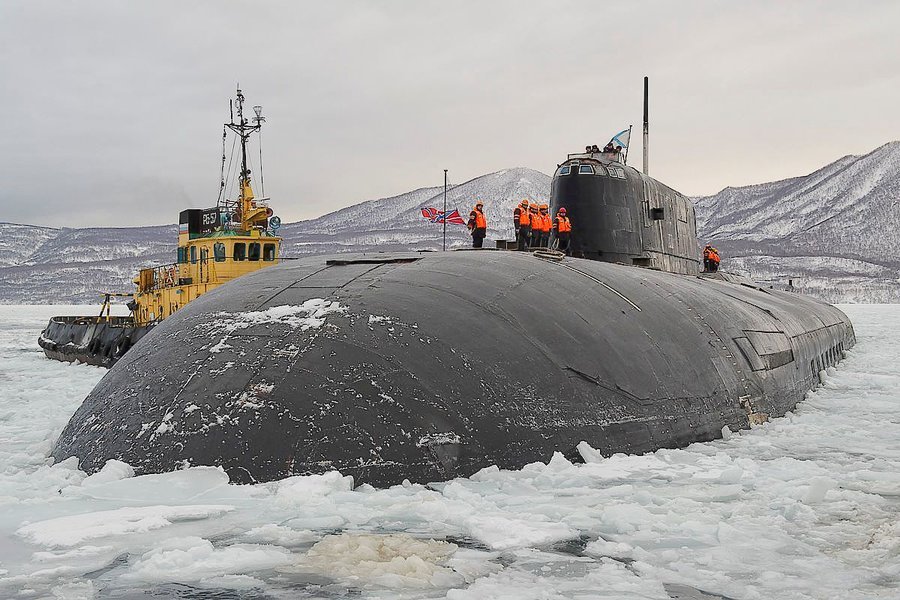


In a development that has sent ripples of concern across the international community, a Russian nuclear-powered submarine has been reported missing in the treacherous and icy waters of the Arctic Ocean. The vessel, which was reportedly engaged in routine maneuvers near the Barents Sea, ceased communication with command centers more than 36 hours ago, prompting a large-scale search and rescue operation by the Russian Navy and allied emergency forces. Given the submarine’s nuclear capabilities and the strategic importance of the Arctic region, this incident has raised alarms among global powers and military analysts alike.


As the search intensifies under extreme weather conditions and within a zone riddled with geopolitical tension, questions are mounting about what may have gone wrong, and what the broader implications could be for international security, environmental safety, and global diplomacy.
The Submarine and Its Mission
According to unconfirmed reports from Russian defense sources, the missing submarine is the K-407 “Novomoskovsk”, a Delta IV-class ballistic missile submarine that has been in service since the Soviet era but has undergone significant modernization in the past decade. This type of submarine is part of Russia’s strategic nuclear triad, equipped with up to 16 intercontinental ballistic missiles (ICBMs), capable of delivering nuclear warheads over vast distances.
The submarine was said to be participating in a naval readiness drill involving under-ice navigation—a skill that is vital for strategic stealth operations in the increasingly contested Arctic region. The mission was intended to demonstrate Russia’s growing presence and operational strength in the Arctic, which has become a hotbed of interest due to its melting ice caps, potential resource reserves, and strategic shipping lanes.

The last confirmed communication from the vessel was received approximately 250 nautical miles north of Murmansk. Since then, all contact has been lost.
Initial Response and Search Operations
Upon realizing that standard communication protocols had failed, the Russian Navy initiated emergency response procedures, mobilizing reconnaissance aircraft, surface vessels, and other submarines equipped for deep-sea operations. A combination of sonar arrays, satellite imaging, and underwater drones is being employed to locate the submarine’s last known position.
The Ministry of Defense in Moscow has issued a statement confirming the “loss of contact” with one of its Northern Fleet assets, without naming the vessel or offering further details. However, a high-ranking naval source speaking anonymously to independent Russian media outlet Meduza confirmed that the vessel in question was the K-407 Novomoskovsk and that it carried both a nuclear reactor and ballistic missile systems.
Several search zones have been established, stretching across the Barents Sea and into deeper Arctic waters. However, operations have been hampered by severe weather conditions, including blizzards, sub-zero temperatures, and treacherous ice formations. Some analysts suggest that the vessel may have encountered difficulties due to under-ice navigation malfunctions or an internal mechanical failure.
International Concerns and Reactions
The disappearance of a nuclear-powered submarine is not merely a domestic concern for Russia; it carries potential consequences for global security and environmental safety. NATO officials have expressed concern, and the alliance has reportedly activated surveillance aircraft and reconnaissance satellites to monitor developments in the region.
The U.S. Department of Defense, while not confirming any specific intelligence, stated through a Pentagon spokesperson: “We are monitoring the situation closely. The safety of nuclear assets, regardless of nation, is a matter of international concern.”
Norwegian and Finnish authorities have also raised alert levels, as both nations maintain coastlines that border key Arctic and North Atlantic routes. Norway, which operates sophisticated sonar tracking systems in its Arctic waters, has offered assistance to Russian search teams, though it remains unclear whether Moscow will accept such aid.
Greenpeace and other environmental organizations have voiced their alarm as well, pointing to the potentially catastrophic impact of a damaged nuclear submarine leaking radioactive material into the pristine Arctic ecosystem.
Environmental Risk and Nuclear Safety
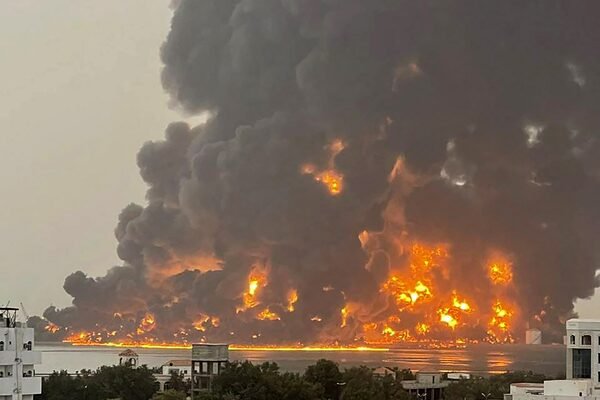
Perhaps the most immediate concern surrounding the incident is the possibility of nuclear contamination. The K-407 Novomoskovsk houses a nuclear reactor for propulsion and multiple ballistic missiles, each with nuclear warheads. Should the vessel have suffered a catastrophic failure—such as implosion, flooding, or fire—the threat of radioactive leakage is real.
The Arctic ecosystem, though remote, is delicate and home to a wide range of species, from polar bears to whales to rare seabirds. A nuclear spill could devastate marine life, contaminate food chains, and render vast regions uninhabitable or off-limits to fishing and research.
Environmental monitoring agencies in Scandinavia and Russia have begun measuring radiation levels in the atmosphere and water. So far, no anomalies have been detected, but authorities have warned that undersea nuclear incidents may not produce immediate surface-level readings.
Past accidents involving Russian submarines, such as the Kursk disaster in 2000, have shown how challenging it is to extract accurate information and respond swiftly under extreme underwater pressure and cold.
Geopolitical Implications
The disappearance of the Russian submarine comes at a time of heightened tensions between Russia and the West. With the Arctic increasingly seen as a new frontier for economic and military dominance, this incident adds a layer of volatility to an already complex landscape.
Russia has been expanding its military infrastructure across the Arctic in recent years, reopening old Soviet-era bases, deploying long-range radar systems, and conducting frequent naval drills. The United States, Canada, and Nordic countries have responded with increased patrols and investments in Arctic defense.
If the submarine is not found soon or if evidence of a foreign cause emerges—whether accidental or otherwise—it could lead to diplomatic fallout. There are fears in diplomatic circles that an escalation could occur if the Russian government suspects sabotage or interference.
In response to the incident, the United Nations Security Council is expected to hold a closed-door meeting to assess the risk and discuss potential cooperative measures for nuclear accident prevention in shared waters.
The Human Dimension: Families Await News
While the international community focuses on nuclear risk and geopolitical fallout, the families of the submarine’s crew face a grim and emotional wait. It is estimated that between 100 and 120 crew members were aboard the K-407, including navigators, engineers, weapons officers, and command staff.
Russian news networks have reported that families have gathered near naval bases in Murmansk, hoping for updates. Some are being housed in temporary shelters provided by the navy, while psychological counselors have been deployed to provide support.
Messages from family members have begun appearing online, expressing hope, frustration, and anger at the lack of transparency.
“We just want the truth,” wrote one woman claiming to be the wife of a sonar technician. “They owe it to us, and to the world.”
Expert Opinions and Historical Context
Naval experts have noted that while submarine communication blackouts are not uncommon, the duration and context of this incident make it unusual and deeply troubling. Arctic waters pose unique dangers, including floating ice shelves, erratic magnetic fields, and unpredictable sea currents.
Submarine historian and author James Holloway notes, “Delta-class submarines are reliable but aging. While upgrades have been made, under-ice maneuvers are still some of the most technically demanding operations a vessel can perform.”
He adds that the loss of contact could be due to multiple causes: power failure, navigation system failure, hull breach from under-ice collisions, or even a fire on board.
Notably, this is not the first such incident. In 2003, the Russian submarine K-159 sank in the Barents Sea while being towed, resulting in the deaths of nine sailors. The tragedy raised questions about maintenance and oversight—issues that persist today.
What Happens Next?
At this stage, the fate of the K-407 Novomoskovsk remains uncertain. As search operations enter their second day, the window for successful rescue narrows. Deep-sea rescue in the Arctic is fraught with difficulty; ice sheets can obscure access points, and submersibles often cannot withstand the pressure or reach the required depth.
Russian authorities have vowed to continue the search “without pause” and have reportedly requested satellite imaging assistance from China, which has a cooperative military technology agreement with Moscow.
In the coming days, more information is expected to emerge. Analysts will watch for clues, such as changes in naval traffic, shifts in diplomatic language, or independent radiation readings, that may indicate the submarine’s location—or its tragic loss.
Conclusion: A Waiting World
The world waits anxiously as search teams scour the icy Arctic waters. The stakes of the missing Russian nuclear submarine extend far beyond national borders or military rivalry. The situation is a haunting reminder of the risks that come with modern nuclear technology, especially in regions as unforgiving as the Arctic.
As families cling to hope and nations calculate risks, this incident may become a pivotal moment in Arctic diplomacy, nuclear safety protocols, and global military transparency. For now, the K-407 remains silent beneath the ice—its fate unknown, its echoes heard around the world.








