







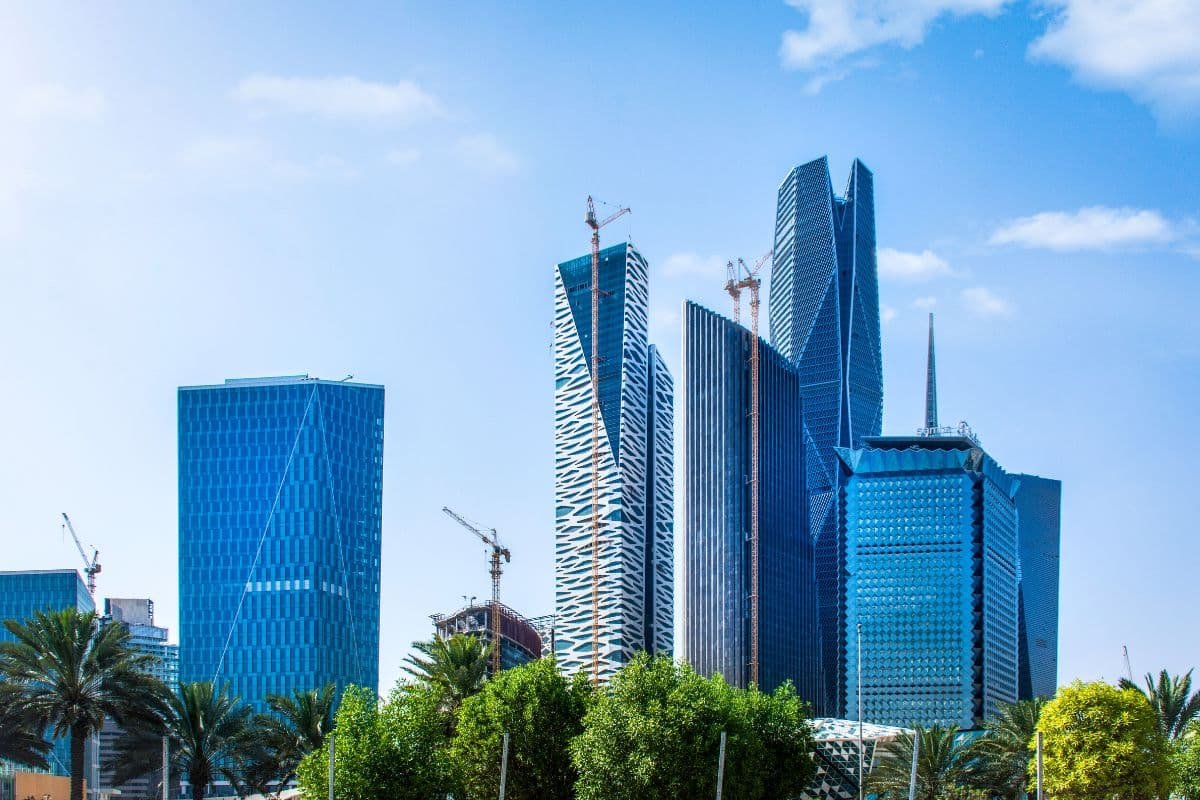


For decades, the Kingdom of Saudi Arabia has stood as a symbol of oil wealth, religious conservatism, and geopolitical influence. As the world’s largest oil exporter and the custodian of Islam’s two holiest sites, Saudi Arabia has played a unique role in global affairs. However, its economic structure, long dependent on hydrocarbons, has shown vulnerabilities in the face of fluctuating oil prices, climate change pressures, and a global shift toward renewable energy. Recognizing these challenges, the Saudi leadership has launched an ambitious project to transform the kingdom’s economy and society: Vision 2030. But the question remains—can the Kingdom truly diversify its economy and modernize its society, or will structural, cultural, and political constraints limit this transformation?

The Need for Transformation
Saudi Arabia’s economic model has historically revolved around oil exports, which constitute over 70% of government revenue. While this model allowed for decades of rapid development, it also created structural weaknesses: a bloated public sector, limited private sector innovation, high youth unemployment, and underutilization of women in the workforce.
The 2014 oil price crash and the COVID-19 pandemic exposed the fragility of this model. With revenues plummeting, budget deficits rising, and youth unemployment surpassing 25%, it became clear that business as usual was no longer viable. Crown Prince Mohammed bin Salman (MbS) introduced Vision 2030 in 2016 as a bold strategy to diversify the economy, reduce dependency on oil, and promote a more open and dynamic society.
Vision 2030: A Blueprint for Change
Vision 2030 outlines a sweeping set of reforms centered around three key themes:
-
A Vibrant Society – focusing on culture, entertainment, health, and heritage;
-
A Thriving Economy – emphasizing innovation, private sector growth, and investment;
-
An Ambitious Nation – advocating for accountable governance and efficiency.
Under this vision, Saudi Arabia has committed to increasing the role of the private sector, developing non-oil industries like tourism, entertainment, finance, and technology, and improving quality of life through urban transformation and public services.
The centerpiece of this vision is the NEOM project, a $500 billion smart city initiative in the country’s northwest, aiming to attract international talent, investment, and innovation. Meanwhile, significant strides have been made in opening up the entertainment sector, easing gender restrictions, expanding renewable energy, and modernizing financial regulations.
Economic Diversification: Progress and Challenges
Saudi Arabia has made some measurable progress in diversifying its economy. The non-oil sector now contributes over 50% to GDP, driven by construction, retail, banking, and tourism. The Public Investment Fund (PIF), one of the largest sovereign wealth funds in the world, has been actively investing in sectors like technology, sports, and entertainment both domestically and abroad.
Tourism has emerged as a priority sector. The launch of e-visas and the development of destinations like Al-Ula, the Red Sea Project, and Diriyah Gate aim to position the Kingdom as a global travel destination. Events like the Riyadh Season, MDLBeast music festivals, and Formula 1 races have transformed the cultural landscape and attracted millions of visitors.
However, economic diversification remains a monumental challenge. The private sector still relies heavily on state spending, and genuine innovation and entrepreneurship are constrained by bureaucratic inefficiencies and limited access to capital. Additionally, foreign investors remain cautious due to regulatory opacity, geopolitical risk, and concerns about political centralization.
Labor market reform is another bottleneck. While Saudization policies aim to replace foreign workers with Saudi nationals, skill mismatches and resistance from private employers hinder progress. Youth unemployment remains stubbornly high, and the public sector is still seen as the most desirable employer.
Societal Modernization: Bold Reforms with Limits
On the societal front, Saudi Arabia has undergone unprecedented change in recent years. Restrictions on women have been dramatically loosened: women can now drive, attend sporting events, travel without male guardians, and work in various industries. Female participation in the workforce has doubled from 17% in 2016 to over 35% in 2024—a remarkable transformation.
The entertainment and cultural scenes have flourished. Cinemas have reopened after decades of closure, concerts featuring global artists have become common, and the Kingdom is positioning itself as a regional hub for film, fashion, and esports.
These changes are part of a top-down modernization campaign led by MbS, who has framed the reforms as necessary for national progress and youth empowerment. The Kingdom’s population is overwhelmingly young—more than 60% under the age of 30—and there is a palpable appetite for change among the youth.
Yet, modernization is tightly controlled and remains within the boundaries set by the ruling establishment. Political liberalization has not accompanied social liberalization. Dissent is tightly suppressed, and high-profile crackdowns on activists, journalists, and even royal family members have raised concerns about the limits of reform. Critics argue that the transformation is cosmetic unless it includes institutional checks, a free press, and judicial independence.
Religious reforms have also advanced cautiously. The influence of the ultra-conservative clerical establishment has waned, and the notorious religious police have been sidelined. However, religious identity remains central to national identity, and reforms in this area remain politically sensitive.
Can the Kingdom Overcome Structural Hurdles?
Several structural and cultural challenges stand in the way of successful transformation:
-
Overdependence on Oil Revenues: While diversification is underway, oil still dominates export earnings. A global push toward decarbonization could diminish the strategic importance of Saudi oil over time.
-
State-Centric Economic Model: The state still plays an outsized role in the economy through subsidies, public employment, and mega-projects. True diversification requires a more empowered private sector and a vibrant SME ecosystem.
-
Authoritarian Governance: Political centralization may enable swift decision-making but also stifles criticism, debate, and independent thought. Sustainable modernization often requires institutional pluralism and civil society engagement.
-
Regional Instability: Ongoing conflicts in Yemen, tensions with Iran, and fragile relations with neighbors could undermine investor confidence and strain state resources.
-
Cultural Resistance: While youth embrace change, older generations and conservative segments of society may resist reforms perceived as eroding traditional values.
-
Execution Risks: Ambitious plans like NEOM require massive investment, talent acquisition, and infrastructure—facing delays, feasibility questions, and environmental concerns.
The International Dimension
Saudi Arabia’s transformation is unfolding in an increasingly multipolar world. The Kingdom seeks to diversify not only its economy but also its foreign partnerships. While traditionally aligned with the U.S., Riyadh has deepened ties with China, Russia, and emerging economies. It has joined the BRICS+ grouping and is exploring trade and investment deals beyond the traditional Western bloc.
This foreign policy recalibration is designed to attract capital and technology while maintaining geopolitical independence. However, it requires balancing competing interests, especially as tensions between the West and China intensify.
Furthermore, human rights remain a contentious issue. The 2018 murder of journalist Jamal Khashoggi and the imprisonment of dissidents have tarnished the Kingdom’s global image. While governments continue engaging with Riyadh, civil society and media scrutiny persist, potentially complicating the vision of a modern, globally integrated Saudi Arabia.
The Long-Term Outlook: Transformation or Illusion?
The Kingdom’s efforts to diversify and modernize are genuine, and some of the achievements so far are significant. Vision 2030 has created momentum, opened up new sectors, and changed daily life in ways unimaginable a decade ago. The shift is visible, especially in urban centers like Riyadh and Jeddah, where women drive freely, cafes bustle with mixed-gender groups, and international brands dot the skyline.
Yet, the true test lies not in launching mega-projects or hosting concerts but in sustaining inclusive growth, creating quality jobs, and building resilient institutions. Will the reforms extend beyond economic pragmatism to embrace political participation, judicial transparency, and civic freedom?
Modernization without meaningful pluralism can generate instability in the long run. A youthful population empowered economically but stifled politically may demand more than top-down development. Social liberalization must eventually converge with civic empowerment if the Kingdom hopes to forge a truly modern state.
Conclusion
Saudi Arabia stands at a historic crossroads. It has recognized the limits of its old model and embraced a bold, albeit controlled, vision for transformation. The stakes are high—not only for the Kingdom but for the wider region. If successful, Saudi Arabia could become a model for managed modernization in the Middle East. If it falters, it risks exacerbating the very problems it seeks to solve: economic vulnerability, social stagnation, and political unrest.
The road ahead is long and uncertain. But one thing is clear: the world is watching, and the outcome of this transformation will shape not only the future of the Kingdom but the future of the Arab world at large.








